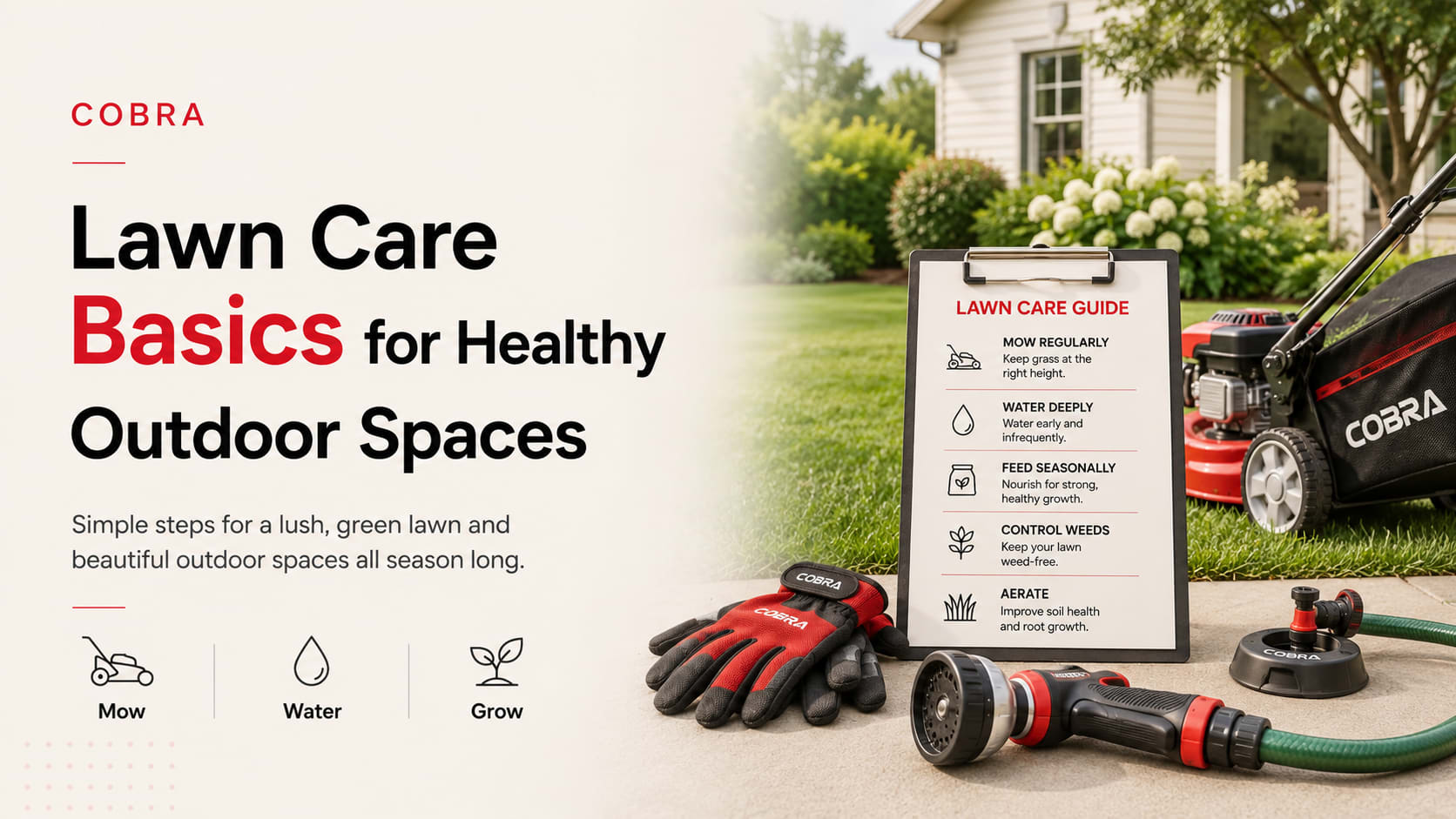
Start with the Outcome: Why Lawn Care Basics Matter
Whether you manage an HOA, a school campus, or a portfolio of commercial properties, healthy outdoor spaces are non-negotiable. Well-maintained lawns aren’t just about curb appeal—they directly impact safety, compliance, property values, and resident satisfaction. Deferred lawn care leads to trip hazards, pest issues, drainage problems, and costly emergency repairs. The right approach is preventive, not reactive, and it starts with a clear, accountable process.
Core Lawn Care Tasks: What Every Property Needs
Mowing: Maintain grass at 2.5–3.5 inches, never removing more than one-third of the blade at once. Adjust frequency based on season and rainfall.
Edging and Trimming: Keep sidewalks, driveways, and playgrounds clear of overgrowth to reduce liability and keep spaces accessible.
Fertilization: Apply balanced fertilizer 2–4 times per year, based on soil tests, to promote healthy growth and resist weeds.
Weed Control: Use targeted pre-emergent and post-emergent treatments. Manual removal is critical in high-traffic or child-accessible areas.
Aeration: Schedule annual or biannual aeration to alleviate compaction and improve water absorption—especially on athletic fields or heavy-use lawns.
Water Management: Inspect irrigation systems for leaks and coverage. Water early in the morning to minimize evaporation and fungal risk.
Pest and Disease Monitoring: Walk grounds monthly to spot early signs of grubs, fungus, or invasive plants. Document and address issues promptly.
Preventive vs. Reactive Lawn Maintenance
Preventive care costs less and delivers better results than chasing problems after they appear. For example, regular aeration prevents compaction that leads to bare patches and runoff. Proactive weed control reduces herbicide costs and keeps lawns usable for residents and students. Reactive maintenance—like emergency reseeding or last-minute mowing before an event—drives up costs, increases liability, and frustrates stakeholders. Build lawn care into your annual property plan and review it at every board or facilities meeting.
Vendor Vetting and Accountability: What to Look For
Licensing and Insurance: Only hire vendors who are licensed and insured for lawn and landscape work in your state.
References and Track Record: Ask for examples of similar properties served—especially if you manage schools, HOAs, or multi-site portfolios.
Clear Scope and Schedules: Insist on written scopes of work, seasonal calendars, and checklists. Avoid vendors who "just mow" without documentation.
Single Point of Accountability: Consider an all-in-one provider like Cobra Prime to reduce finger-pointing and ensure nothing falls through the cracks.
HOA, School, and Facility Responsibilities
As a decision-maker, your responsibilities go beyond aesthetics. You’re accountable for:
Keeping common areas safe and accessible
Ensuring compliance with local weed and grass height ordinances
Managing vendor access and scheduling during school hours or resident events
Documenting inspections and maintenance for liability protection
For a detailed seasonal approach, see Seasonal Yard Cleanup: What to Do Each Season.
Inspection and Maintenance Checklist
Task Frequency What to Document Mowing/Edging Weekly/Biweekly Date, areas covered, issues found Fertilization 2–4x/year Type, rate, weather conditions Weed/Pest Check Monthly Species observed, treatment applied Irrigation Inspection Quarterly Leaks, coverage, repairs needed Soil Testing Annually pH, recommendations, actions taken
For a downloadable checklist, see Outdoor Maintenance Checklist for Homeowners.
Budgeting and Planning for Lawn Care
Effective budgeting starts with a property assessment. Document your square footage, special use areas (playgrounds, sports fields), and any known problem spots. Scope your needs for the year—don’t forget seasonal spikes like spring growth or autumn leaf drop. Pricing for lawn care is always property-specific; request a detailed quote based on your unique needs and compliance requirements.
How Cobra Prime Streamlines Lawn Care
Cobra Prime uses a proven Assess → Plan → Execute → Monitor process for outdoor maintenance services. This means you get one licensed, insured provider accountable for the entire cycle—no more chasing down multiple vendors or worrying about missed tasks. Our operations scale for large HOAs, schools, and multi-property portfolios, with clear documentation and compliance built in. Regular communication and monitoring ensure nothing is overlooked, and any issues are addressed before they become liabilities.
Frequently Asked Questions
How often should lawns be mowed for optimal health?
Most properties should plan for weekly mowing during peak growing season and biweekly during slower periods. Adjust for rainfall and grass type. Never remove more than one-third of the blade at a time.
What are the biggest lawn care risks for HOAs and schools?
Trip hazards from uneven turf, pest infestations, non-compliance with local ordinances, and liability from poor documentation are the top risks. Preventive care and clear records minimize exposure.
How can I ensure my lawn care vendor is reliable?
Require licensing, insurance, references, and written scopes. Consider a single provider like Cobra Prime for full accountability. Regularly review performance and monitor with checklists.
Is it better to outsource lawn care or use in-house staff?
Outsourcing to a licensed provider ensures compliance, scales with your needs, and reduces management overhead. In-house staff can supplement but often lack the specialized equipment and expertise for large or complex properties.
How do I plan for seasonal lawn care needs?
Map out a calendar of tasks by season, including mowing, fertilization, aeration, and cleanup. Review and update your plan annually. For guidance, see our linked seasonal yard cleanup resource.
Next Steps: Get a Quote or Consultation
Don’t leave your property’s outdoor spaces to chance. Request a quote or schedule a consultation with Cobra Prime to see how our all-in-one, accountable process can simplify your lawn care and protect your property’s value.