Flat Pack Assembly: What Property Decision-Makers Need to Know
Flat pack furniture—think IKEA, Wayfair, and similar brands—offers cost savings, quick delivery, and flexibility for offices, clubhouses, classrooms, and common spaces. But for property managers, HOA boards, and facility teams, what looks simple on paper often turns into hours of lost productivity, missing hardware, and safety risks. Here’s how to streamline flat pack assembly, control costs, and avoid liability—whether you’re handling one unit or furnishing a multi-property portfolio.
Start with the End in Mind: Assembly Outcomes That Matter
Safe, stable furniture—no wobble, no collapse risk, no sharp edges.
Compliance with fire codes, egress, and accessibility requirements.
Minimal disruption to operations, tenants, or students.
Clear documentation—warranty, receipts, and assembly instructions on file.
One accountable party for quality, liability, and follow-up repairs.
Checklist: Before You Order Flat Pack Furniture
Confirm measurements—doorways, elevators, and final placement areas.
Check load ratings and fire-resistance (especially for common areas and dorms).
Review warranty and return policies—some require professional assembly.
Decide: DIY, in-house maintenance, or hire a handyman services in Nj team?
Schedule delivery for times that minimize disruption and allow for inspection.
Assembly Day: Proven Steps for Efficiency and Safety
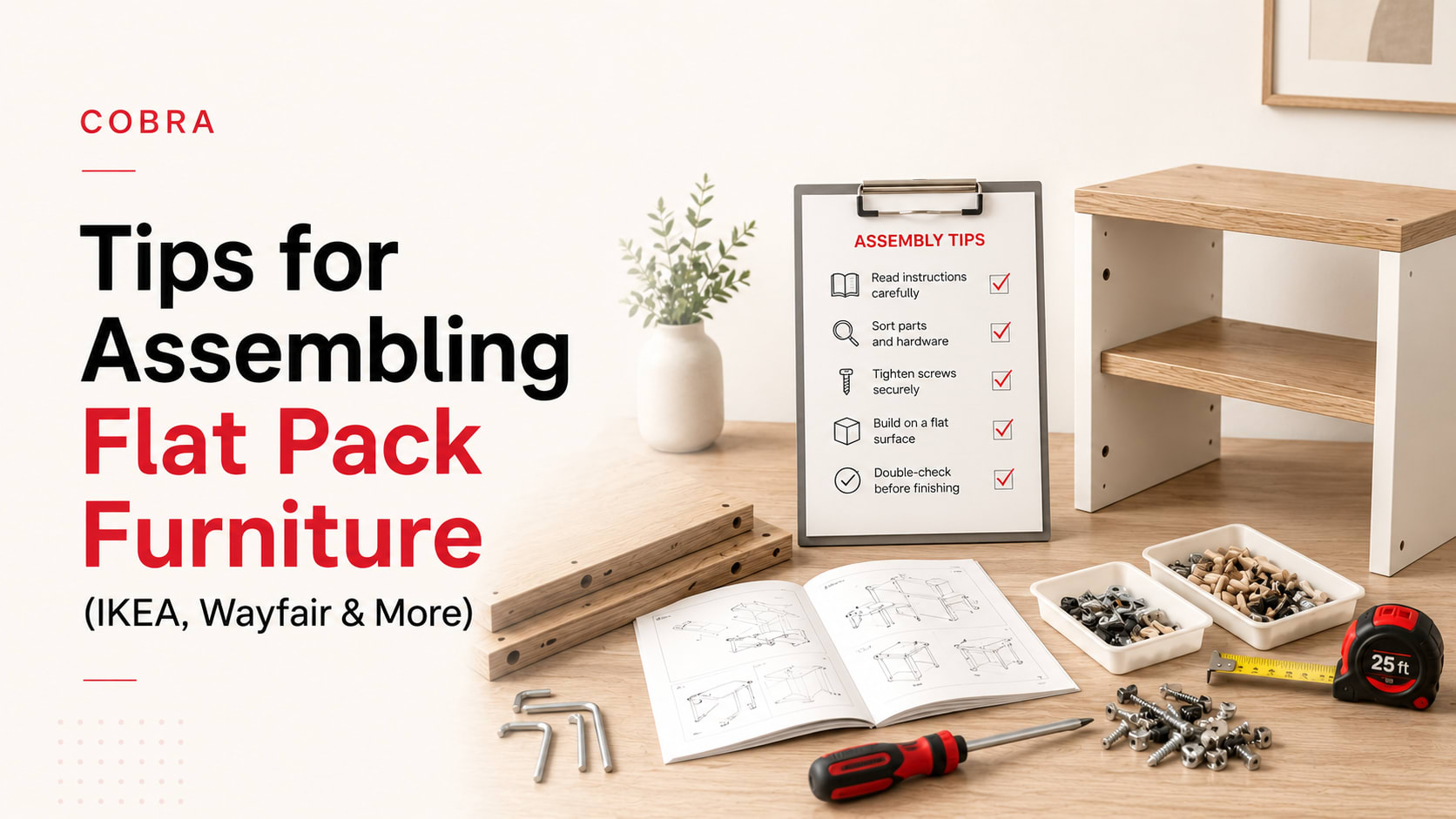
Inventory all parts and hardware before starting. Missing components are a top cause of delays.
Lay out a clean, protected workspace—avoid carpet that can hide screws or damage surfaces.
Assign trained personnel or vetted vendors. For high-traffic or critical areas, use licensed and insured professionals.
Follow instructions step by step—never skip anchoring units to the wall where indicated.
Inspect for stability, sharp edges, and proper function (drawers, doors, locks).
Document completed assemblies with photos, serial numbers, and installer info.
Preventive vs. Reactive: Why Flat Pack Assembly Isn’t a One-Off Task
Too often, property teams treat furniture assembly as a reactive chore—rushed when a new tenant moves in or a classroom needs a quick refresh. But deferred or sloppy assembly can lead to accidents, tenant complaints, or non-compliance with fire and safety codes. Proactive planning means regular inspections, scheduled upgrades, and a clear process for reporting damage or wear. For multi-site operations, consider bundling assembly with other property maintenance services to streamline oversight and reduce costs.
Vendor Vetting: What to Look For
Licensed and insured—protects your association or facility from liability.
Experience with commercial and institutional settings, not just residential.
References and portfolio—ask for examples of similar projects.
Clear scope of work, timelines, and post-assembly support.
Integration with other services—security, cleaning, disposal of packaging and old furniture.
For those managing multiple properties or complex spaces, working with an all-in-one provider like Cobra Prime means one contract and clear accountability, rather than juggling multiple vendors and invoices.
Assembly Risk Table: DIY, In-House, or Professional?
MethodProsConsBest For DIYLowest cost, flexible timingRisk of errors, voided warranties, liabilitySimple, non-critical furniture In-House StaffFamiliar with property, on payrollMay lack tools/training, pulls staff from core dutiesRoutine replacements Professional ServiceEfficient, insured, quality guaranteedHigher upfront cost, requires schedulingLarge orders, high-traffic/common areas, compliance needs
Don’t Overlook: Security, Disposal, and Compliance
Improperly assembled or placed furniture can block exits or security devices. Always coordinate with your security protocols—especially in schools, offices, or event spaces. For example, see our guide on Commercial Security Services for best practices on access control during installations. If assembly is happening in a sensitive area, consider temporary supervision or Event Security Services to manage crowd flow and property protection.
Disposal of packaging and old furniture is often overlooked. Professional teams can bundle junk removal and recycling, reducing risk and keeping your site compliant with local codes. For high-risk environments—like construction zones or areas with ongoing renovations—review our Construction Site Security and Fire Watch Services resources for additional precautions.
Frequently Asked Questions
How long does flat pack furniture assembly take?
Simple items (chairs, small desks) can take 30-60 minutes, while large or complex units (wall systems, bunk beds) may require several hours or multiple installers. For accurate scheduling, request an assessment based on your specific order and site conditions.
Who is liable if flat pack furniture fails or causes injury?
Liability depends on who performed the assembly and whether instructions were followed. Using licensed and insured professionals reduces risk and may be required for warranty or insurance coverage in commercial or community settings.
Can assembly be bundled with other property services?
Yes. Many property managers combine furniture assembly with property maintenance services, cleaning, or security upgrades for efficiency and cost control.
Do we need to anchor all furniture to the wall?
Follow manufacturer instructions—many units, especially tall or heavy items, require wall anchoring for safety and code compliance. This is critical in schools, common areas, and anywhere children may be present.
How do I choose between in-house staff and a professional service?
Consider project size, staff expertise, warranty requirements, and risk tolerance. For critical areas or large-scale installations, a professional, licensed provider is recommended.
Ready for Reliable Assembly? Let’s Make It Simple
Flat pack furniture should add value, not headaches. Cobra Solutions uses a proven Assess → Plan → Execute → Monitor process to deliver safe, compliant, and cost-controlled assembly—integrated with ongoing property services, security, and maintenance. Whether you manage a single building or a multi-site portfolio, our licensed and insured team ensures one point of accountability from start to finish.
Request a quote or schedule a consultation with Cobra Solutions to streamline your next assembly project—and get back to focusing on what matters most.