Mounting a TV on Drywall: The Right Way, the First Time
Mounting a TV on drywall seems simple—until you’re dealing with a $2,000 display in a community room, classroom, or rental unit. A failed mount isn’t just an inconvenience; it’s a safety hazard, a potential liability, and a repair bill you don’t need. Here’s how to get it right, minimize risk, and keep your property compliant and safe.
Decide: Is Drywall Mounting Appropriate?
Assess wall structure: Is there wood or metal stud support behind the drywall?
Weigh the TV: Heavier TVs (over 50 lbs) may require more robust anchoring or a different location.
Traffic and usage: High-traffic or public areas demand extra safety measures and regular inspections.
Check for obstructions: Electrical, plumbing, or HVAC lines behind the wall?
Before you start, review your property’s maintenance protocols. If you’re coordinating a larger upgrade, see this How to Plan a Home Renovation guide for a full-scope approach.
Plan: Tools, Anchors, and Safety
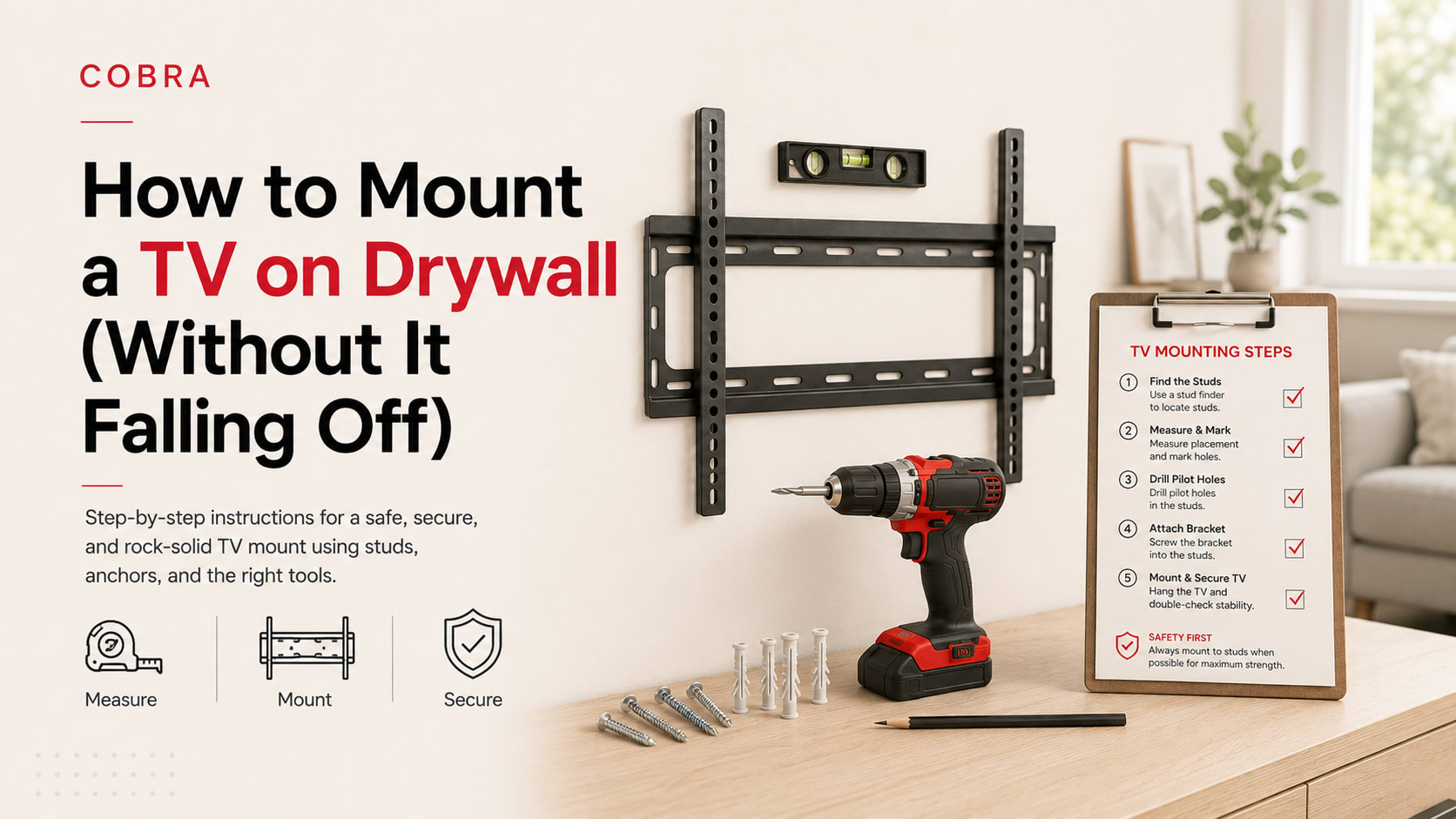
Locate studs with a reliable stud finder. Never rely on drywall anchors alone for large TVs.
Choose the right mount: Fixed, tilting, or full-motion—confirm weight rating matches your TV.
Gather tools: Drill, level, measuring tape, socket set, and lag bolts (not just screws).
Prep the area: Clear debris and trip hazards. For common areas, coordinate with your cleaning or property maintenance services team.
Execute: Step-by-Step Mounting
Mark stud locations and desired TV height. Double-check measurements—mistakes mean patchwork later.
Pre-drill pilot holes into studs, not just drywall.
Secure the wall bracket with lag bolts into studs. Confirm level with a spirit level.
Attach mounting plate to the TV, following manufacturer instructions.
Lift and hang the TV onto the wall bracket. For larger units, always use two people.
Double-check all fasteners. Tug gently to test security before releasing the TV’s weight.
If you discover clutter or old hardware in the way, use this Junk Removal Checklist to streamline prep and avoid trip or fire hazards.
Monitor: Inspection, Liability, and Maintenance
Schedule regular inspections—especially in high-use areas. Loose mounts are a leading cause of accidents.
Document installation: Photos, hardware used, and responsible party. This protects you in case of future claims.
Train staff or residents on safe use. For example, don’t allow anyone to hang items from the TV or mount.
Include TV mounts in your preventive maintenance plan, not just reactive repairs. This is especially critical for HOAs and schools.
Unsure if a wall is up to the task? Sometimes, as with fences, it’s a judgment call—see Fence Repair vs Fence Replacement for a mindset on evaluating repair versus replacement in property management.
Table: TV Mounting Methods—Risk and Reliability
MethodLoad LimitRiskBest UseLag bolts into studsHigh (75+ lbs)Low (if installed correctly)All properties—recommendedToggle bolts in drywall onlyLow (20-30 lbs)High (risk of pull-out)Small TVs, rarely used spacesMounting to masonry/concreteVery HighLow (with proper anchors)Basements, gyms, utility rooms
Vendor Accountability: DIY vs. Professional Installation
DIY: Only if you have skilled staff, proper tools, and clear accountability.
Professional: Use a licensed, insured provider with a documented process. This reduces liability and ensures compliance with building codes and insurance requirements.
For multi-unit, school, or commercial properties, consider an all-in-one provider like Cobra Prime. Their Assess → Plan → Execute → Monitor process ensures each install is safe, code-compliant, and documented—no guessing, no finger-pointing if something goes wrong. Their handyman services in Nj are licensed, insured, and scalable for any property size.
Don’t Ignore Post-Install Cleanup
Leftover boxes, packaging, and old mounts aren’t just unsightly—they’re a liability. See What Is Junk Removal for guidelines on safe, compliant disposal after any installation project.
Frequently Asked Questions
Can you mount a TV on drywall without studs?
It’s not recommended for medium or large TVs. Drywall anchors alone are risky; always mount into studs for reliable support. If studs aren’t available, consult a professional for alternative solutions.
How do I know if my wall can support a TV?
Use a stud finder to locate framing behind the drywall. If you’re unsure about wall construction or load limits, have a licensed technician inspect the area before mounting.
What are the liability risks if a TV falls?
Falling TVs can cause injury and property damage. For HOAs, schools, and commercial properties, improper installation may violate insurance policies and increase legal exposure. Always document who did the work and how.
How often should TV mounts be inspected?
At least annually, or after any incident (jarring, accidental bumps, renovations). High-traffic areas may require quarterly checks as part of your preventive maintenance program.
Should I hire a specialist or use in-house staff?
For critical areas or large displays, use a licensed, insured provider. For small, low-risk installs and if your staff is trained, in-house may be appropriate—but always assign accountability and keep records.
Ready for Safe, Reliable TV Mounting?
Don’t risk a call-back, accident, or compliance issue. If you manage multiple units, public spaces, or want one accountable partner for all property needs, request a quote or schedule a consultation with Cobra Solutions today. Their all-in-one approach streamlines projects, ensures safety, and keeps your operations running smoothly.