Interior vs. Exterior Paint: The Decision That Impacts Durability, Safety, and Compliance
Choosing the right paint isn’t just about color. For property managers, HOA boards, and facilities directors, it’s a decision that affects building longevity, compliance, safety, and your annual budget. The wrong choice can mean peeling, mold, regulatory headaches, or costly do-overs. Here’s what you need to know—and what to check—before you approve any painting project.
What’s the Real Difference Between Interior and Exterior Paint?
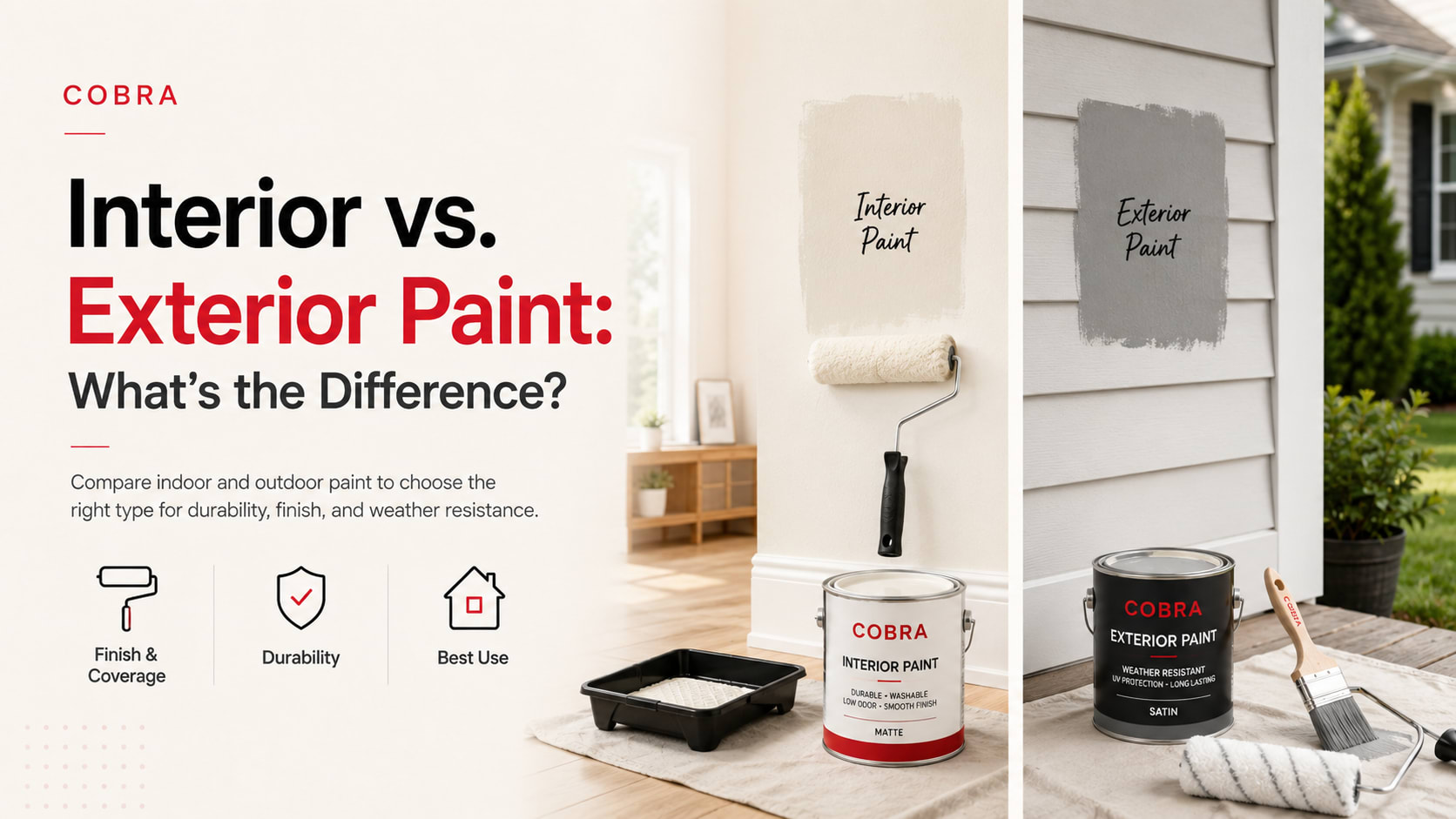
At the core, interior and exterior paints are engineered for very different environments. Interior paint is designed for indoor air quality, easy cleaning, and resisting scuffs. Exterior paint is built to withstand weather, UV, and temperature swings. Using the wrong type can lead to rapid failure and even code violations.
Feature Interior Paint Exterior Paint Resists Weather No Yes (rain, sun, freeze/thaw) Low/No VOC (Indoor Air Quality) Yes (often required) Not always Washable Finish Common Less common, but more durable UV Resistance Minimal High Flexibility/Crack Resistance Standard Enhanced (expands/contracts with substrate) Fungal/Mildew Resistance Some High (crucial for exteriors)
Checklist: Before You Approve Any Painting Work
Confirm paint type matches the surface and location (interior vs. exterior).
Check for required certifications (especially for schools and healthcare facilities).
Ask for the product data sheet—look for VOC content, mildew resistance, and warranty terms.
Inspect surfaces for moisture, mold, or damage before painting. Address issues first.
Ensure the contractor is licensed and insured for painting work.
Document prep work, number of coats, and drying times in your scope.
Schedule painting around occupancy—especially for interior jobs in schools or multifamily buildings.
Plan for regular inspection and touch-ups as part of your property maintenance services.
Risks of Using the Wrong Paint (and How to Avoid Them)
Using exterior paint indoors can lead to poor air quality and health complaints. Using interior paint outdoors will result in premature fading, peeling, and water damage—sometimes within a single season. In both cases, you risk failed inspections, warranty voids, and liability if tenants or residents are affected.
Don’t rely on a painter’s verbal assurance. Require documentation and, ideally, a clear process like Cobra’s Assess → Plan → Execute → Monitor. This approach ensures each phase is checked, documented, and accountable—no skipped steps, no finger-pointing if something fails later.
Preventive vs. Reactive Maintenance: Why Paint Matters
Proactive painting is a key part of preventive maintenance. It protects surfaces, prevents water intrusion, and extends the life of your building envelope. Deferred painting, on the other hand, leads to bigger repairs: wood rot, rust, mold, and costly emergency calls. Build painting into your annual budget and inspection cycle—don’t wait for visible peeling.
Vendor Vetting: What to Demand from Your Painting Contractor
Proof of licensing and insurance for all trades involved.
Clear written scope, including surface prep and cleanup.
Detailed timeline—interior jobs should minimize disruption to residents or operations.
References from similar properties (HOAs, schools, multifamily, or commercial facilities).
Ability to scale across multiple sites if you manage a portfolio.
Willingness to coordinate with other services—repairs, cleaning, security for site access.
Consider a provider like Cobra Solutions, which offers renovation and construction services as part of its all-in-one model, ensuring painting is integrated with repairs, maintenance, and compliance—not treated as a standalone job.
HOA and Facility Responsibilities: Compliance and Liability
If you’re on an HOA board or manage a school or commercial property, you’re responsible for exterior appearance, code compliance, and resident safety. That includes:
Ensuring paint colors and finishes comply with association rules or local ordinances.
Maintaining common areas and exteriors to prevent slip, trip, and mold hazards.
Documenting all work for insurance and regulatory inspections.
For larger projects, or if you’re unsure about compliance, it’s smart to bring in a licensed trade services partner who can handle both the technical and regulatory side.
Integrating Paint with Broader Facility Maintenance
Painting shouldn’t be an isolated event. It’s most effective when coordinated with other services—drywall repair, cleaning, exterior outdoor maintenance services, and even handyman services in Nj for punch-list items. An all-in-one provider can handle prep, painting, and follow-up—so you’re not juggling vendors or chasing accountability.
Frequently Asked Questions
Can I use interior paint outdoors if I add a sealant?
No. Interior paint lacks the binders and additives needed to withstand weather, UV, and temperature changes—even with a sealant. It will fail quickly and can void warranties.
How often should exterior paint be redone?
Most exteriors need repainting every 5-10 years, depending on climate, exposure, and paint quality. High-traffic or coastal properties may require more frequent touch-ups. Regular inspections, such as those recommended in a Home Renovation Checklist, help catch issues early.
What prep work is essential before painting?
Surfaces must be clean, dry, and free of loose material. Address moisture, mold, or damage first—otherwise, paint will not adhere and problems will worsen. For interiors, consider air quality and occupant schedules.
How do I budget for painting across multiple properties?
Assess each site’s needs annually, prioritize based on condition and risk, and bundle projects where possible for efficiency. Partnering with a provider like Cobra Solutions streamlines scoping and oversight across your portfolio.
What are common compliance issues with painting projects?
Using non-compliant products (high-VOC indoors, wrong colors for HOAs), failing to document work, or not using licensed contractors can trigger fines, failed inspections, or liability claims. Always require documentation and proper licensing.
Next Steps: Set Up Your Painting Project for Success
Whether you’re planning a refresh or tackling deferred maintenance, the right approach to interior and exterior paint protects your property, your budget, and your reputation. Cobra Solutions delivers licensed, insured, all-in-one service—so you deal with one accountable provider, not a patchwork of vendors. Our Assess → Plan → Execute → Monitor process ensures each phase is handled right, with compliance and durability built in.
Ready to scope your next project or need help integrating painting with other maintenance? Request a quote or schedule a consultation with Cobra Prime—and take the guesswork out of property improvement.