Decide What Gets Done—And When
Every property manager, HOA board, or school administrator knows: deferred maintenance is a liability. A clear, scheduled checklist is the difference between smooth operation and costly emergencies. Below you'll find monthly and seasonal tasks, timelines, and criteria to help you keep properties safe, compliant, and attractive—without relying on unreliable vendors or guesswork.
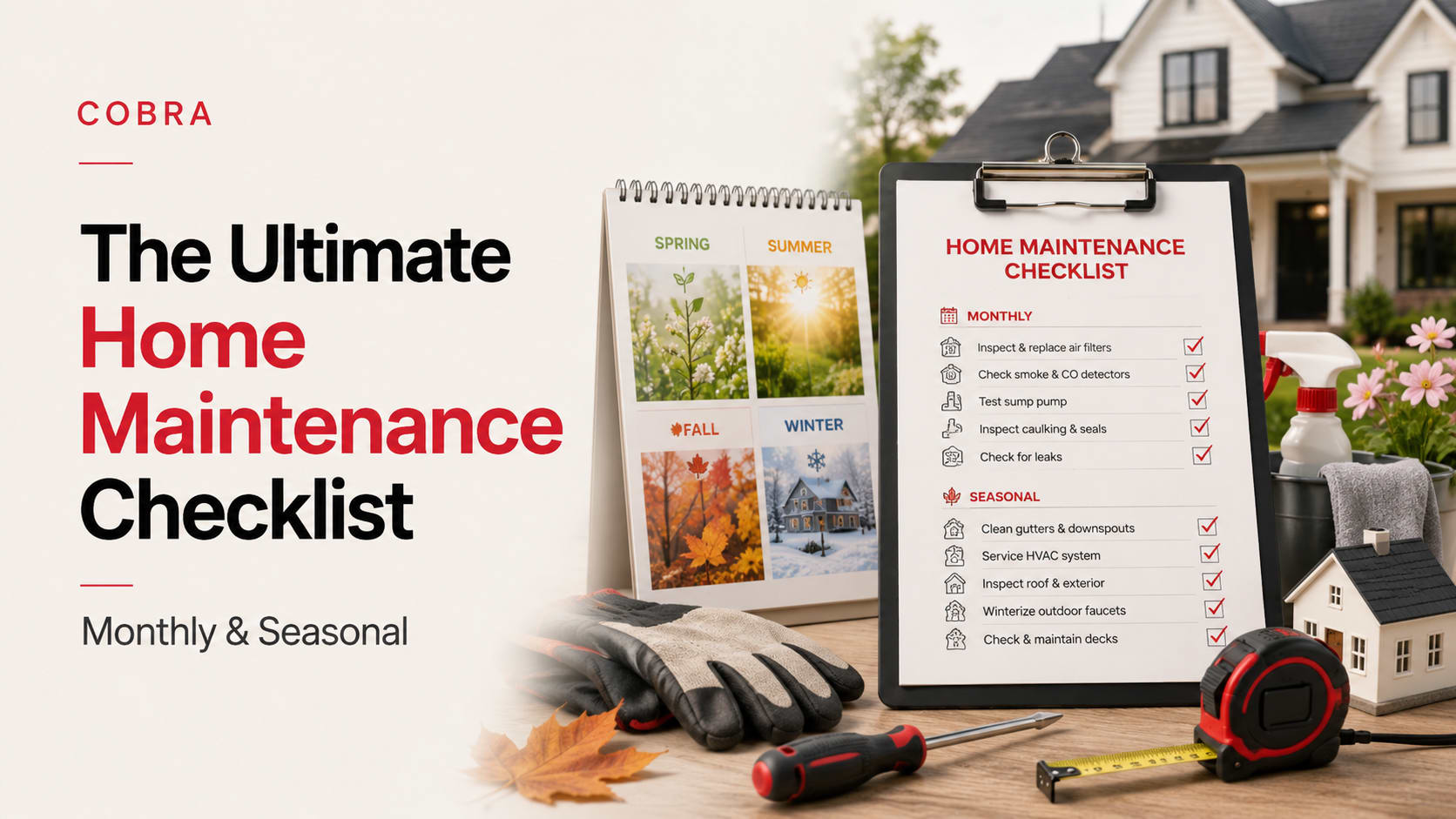
Monthly Home Maintenance Checklist
Inspect HVAC filters—Replace or clean as needed. Clogged filters strain systems and increase energy costs.
Test smoke and CO detectors—Press the test button and replace batteries if needed. Document results for compliance.
Check plumbing for leaks—Look under sinks, around water heaters, and at exposed pipes. Early detection prevents water damage.
Walk exterior and common areas—Note any trip hazards, broken lights, or security concerns. Address immediately.
Review access control—Check that locks, gates, and entry systems function correctly. Update codes or keys as needed.
Flush unused drains—Run water in guest bathrooms or infrequently used sinks to prevent odors and clogs.
Check fire extinguishers—Ensure gauges are in the green and units are accessible.
For a detailed breakdown of what a professional handyman can tackle each month, review What Does a Handyman Do.
Seasonal Home Maintenance Checklist
SeasonKey Tasks Spring
Clean gutters and downspouts
Inspect roof and siding for winter damage
Test irrigation systems
Service HVAC before cooling season
Check for pest intrusion
Summer
Inspect and repair exterior paint
Trim trees and shrubs away from structures
Check playgrounds and outdoor amenities
Monitor for signs of mold or mildew
Fall
Winterize irrigation and outdoor plumbing
Seal gaps around windows and doors
Inspect heating systems
Test sump pumps
Winter
Check for ice dams and clear snow from walkways
Monitor for frozen pipes
Inspect attic insulation and ventilation
For more on seasonal property care, see outdoor maintenance services.
Preventive vs. Reactive Maintenance: Why It Matters
Preventive maintenance is scheduled, proactive, and budget-friendly. Reactive maintenance—waiting until something breaks—leads to higher costs, emergency calls, and greater liability. For example, regular gutter cleaning prevents foundation damage; skipping it can mean costly repairs and insurance claims.
To see common issues that escalate when neglected, check Common Home Repairs.
Who’s Responsible? HOA, Property Manager, or Owner?
Responsibility depends on your property type and governing documents. Typically, HOAs handle exterior and common areas, while individual owners cover interiors. Property managers are accountable for executing the board’s maintenance plan and documenting all work for compliance. Schools and facilities must meet additional safety and regulatory standards—often with stricter inspection requirements.
For a full-service approach, see property maintenance services.
Vendor Accountability: What to Demand
Proof of licensing and insurance
Clear scope of work and timelines
References from similar properties
Written inspection reports
Single point of contact for all services
Juggling multiple vendors leads to finger-pointing and missed tasks. One accountable provider—like Cobra Solutions—uses a structured Assess → Plan → Execute → Monitor process, so nothing falls through the cracks.
For licensed specialty work, review licensed trade services.
Inspection Checklists: What to Document
Date and time of inspection
Areas checked (interior, exterior, mechanical, safety systems)
Issues found and corrective actions taken
Photos of deficiencies and repairs
Sign-off by responsible party
Consistent documentation protects your organization from liability and helps with budgeting for future repairs or upgrades.
Budgeting for Maintenance: How to Plan
Prioritize preventive tasks—these save money long-term
Set aside contingency funds for emergencies
Schedule major repairs off-peak to control costs
Review maintenance logs annually to spot trends
For a comparison of hiring options, see Handyman vs. General Contractor.
For a deeper dive, see one vendor vs. multiple contractors for property services.
Frequently Asked Questions
How often should I update my maintenance checklist?
Review and update your checklist at least annually, or after any major property change (renovation, new amenities, code updates). This keeps your plan relevant and compliant.
What’s the risk of skipping preventive maintenance?
Deferred tasks often become emergencies—like leaks, mold, or HVAC failures. These cost more, increase liability, and can disrupt residents or operations.
How do I vet a maintenance vendor?
Check for licensing, insurance, references, and experience with similar properties. Ask about their process for documentation and communication. One provider for all services is easier to hold accountable.
Can I use the same checklist for multiple properties?
Yes, but adjust for each property’s unique systems and regulatory requirements. A scalable process—like Cobra’s—ensures consistency across your portfolio.
What’s the difference between a handyman and a contractor?
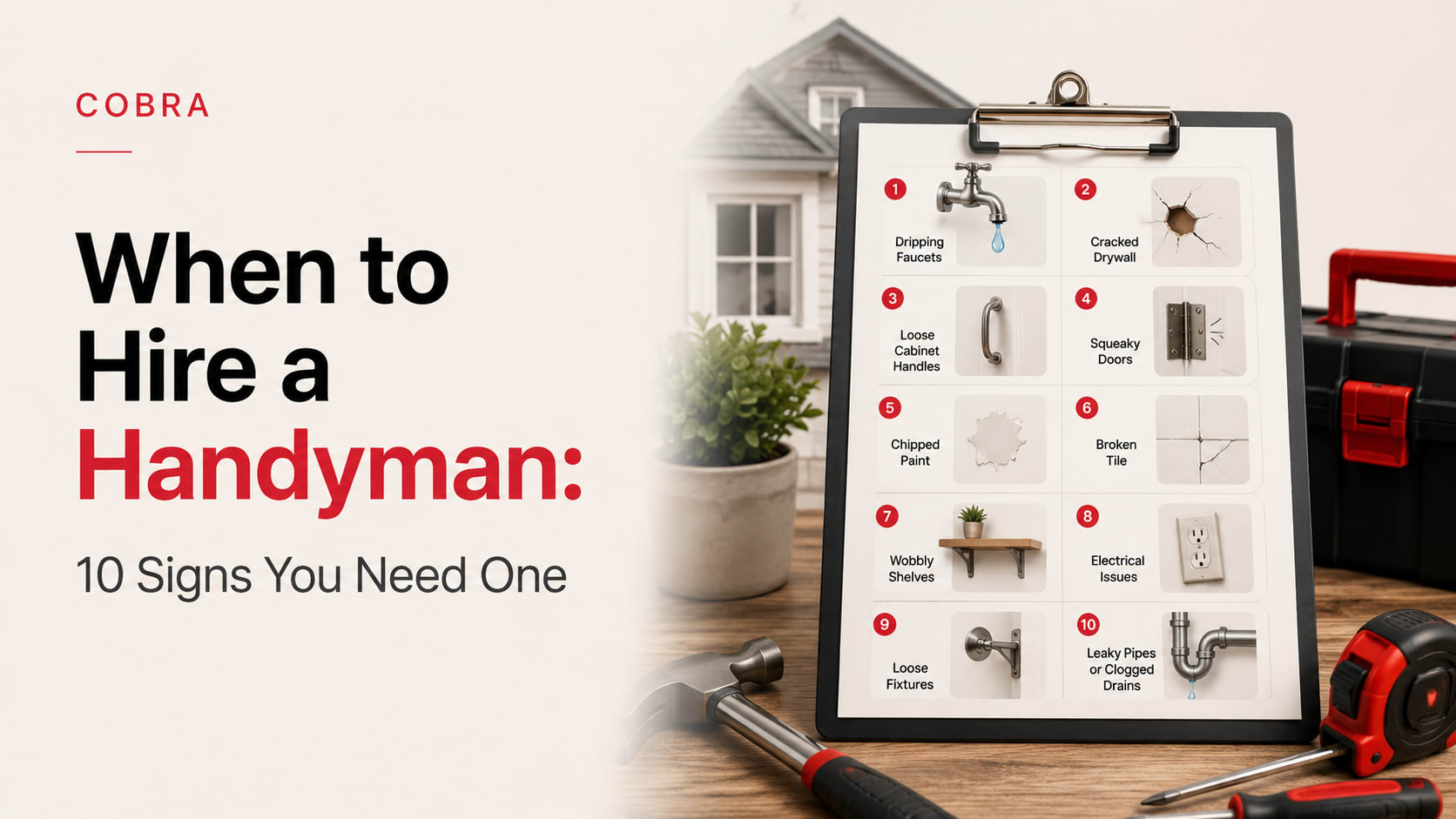
Handymen handle routine repairs and maintenance; contractors are needed for major renovations or specialty trades. For more, see When to Hire a Handyman.
Ready to Simplify Property Maintenance?
Stop chasing vendors and start controlling outcomes. Cobra Solutions delivers all-in-one, licensed and insured property maintenance, security, and facility services—guided by a proven Assess → Plan → Execute → Monitor process. Request a quote or schedule a consultation today to see how we can help your property run reliably, safely, and within budget.Related guides