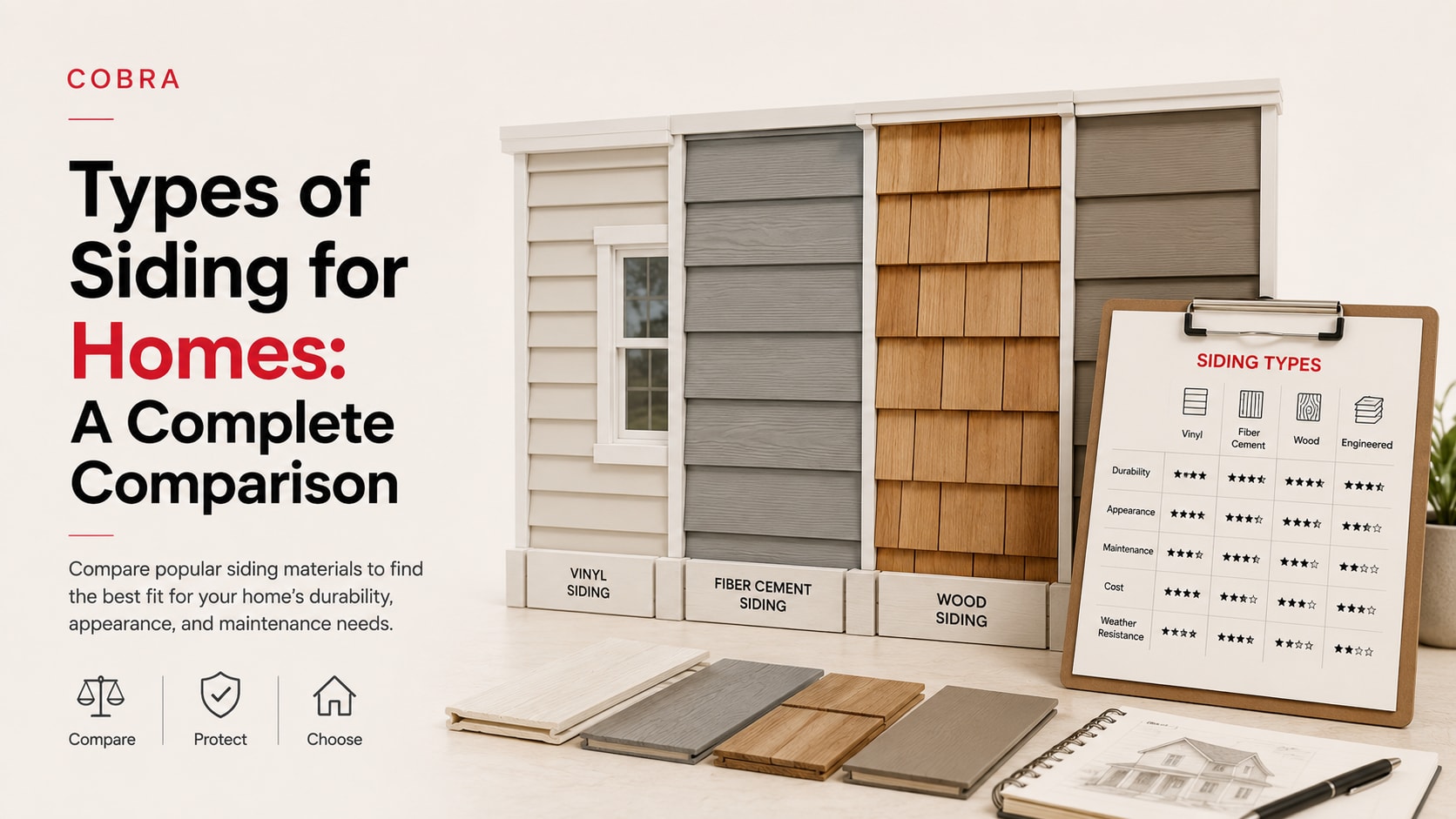
Deciding on the Right Siding: What Matters Most
Choosing siding for a home, HOA, or facility isn’t about curb appeal alone. The right choice impacts long-term maintenance, compliance, insurance, and your operating budget. As someone responsible for properties, you need a siding solution that holds up to weather, meets code, and won’t become a recurring headache or liability. Here’s how to compare your options—and what to watch for during installation and upkeep.
Main Types of Siding for Homes
Vinyl Siding: Affordable, low-maintenance, and available in many colors. Susceptible to cracking in extreme cold and fading over time.
Fiber Cement: Resists fire, rot, and pests. Heavier and often requires professional installation; higher upfront cost but lower lifecycle maintenance.
Wood Siding: Classic appearance, but needs regular painting or staining. Vulnerable to rot, pests, and fire unless treated.
Engineered Wood: Looks like real wood, but with improved resistance to moisture and pests. Still requires some maintenance.
Stucco: Durable and energy-efficient in dry climates. Prone to cracking in areas with freeze/thaw cycles.
Brick and Stone Veneer: Extremely durable and low-maintenance, but expensive to install and repair. Adds significant weight—check structural requirements.
Metal Siding (Steel/Aluminum): Fire-resistant and durable, but can dent and may corrode if not properly maintained.
Key Criteria for Siding Selection
Climate Compatibility: Will the siding withstand local weather patterns—heat, cold, moisture, wind?
HOA/Community Standards: Are there color, material, or style restrictions?
Fire and Pest Resistance: Especially critical for schools, multifamily, and high-density communities.
Maintenance Demands: How often will it need cleaning, painting, or repairs? Who’s responsible—owner or association?
Code Compliance: Does the product meet local building codes and insurance requirements?
Budget and Lifecycle Cost: Consider both installation and ongoing maintenance—not just the sticker price.
Comparison Table: Siding Types at a Glance
Siding Type Durability Maintenance Cost* Best For Vinyl Good Low Low Budget, large communities Fiber Cement Excellent Low Medium-High Fire-prone, multifamily Wood Fair High Medium Historic, single-family Engineered Wood Good Medium Medium Upgrades, HOAs Stucco Good Medium Medium Dry climates, schools Brick/Stone Veneer Excellent Low High Premium, commercial Metal Good Low Medium-High Modern, fire zones
*Cost varies by region, scope, and installation complexity. Always request a tailored quote.
Risks of Poor Siding Decisions
Deferred Maintenance: Small cracks or gaps can lead to water intrusion, mold, or pest infestations.
Insurance and Liability: Non-compliant siding can void coverage or expose you to claims.
Vendor Reliability: Incomplete or shoddy installation increases long-term costs and creates future hazards.
Budget Overruns: Not accounting for prep, disposal, or hidden repairs can blow your budget.
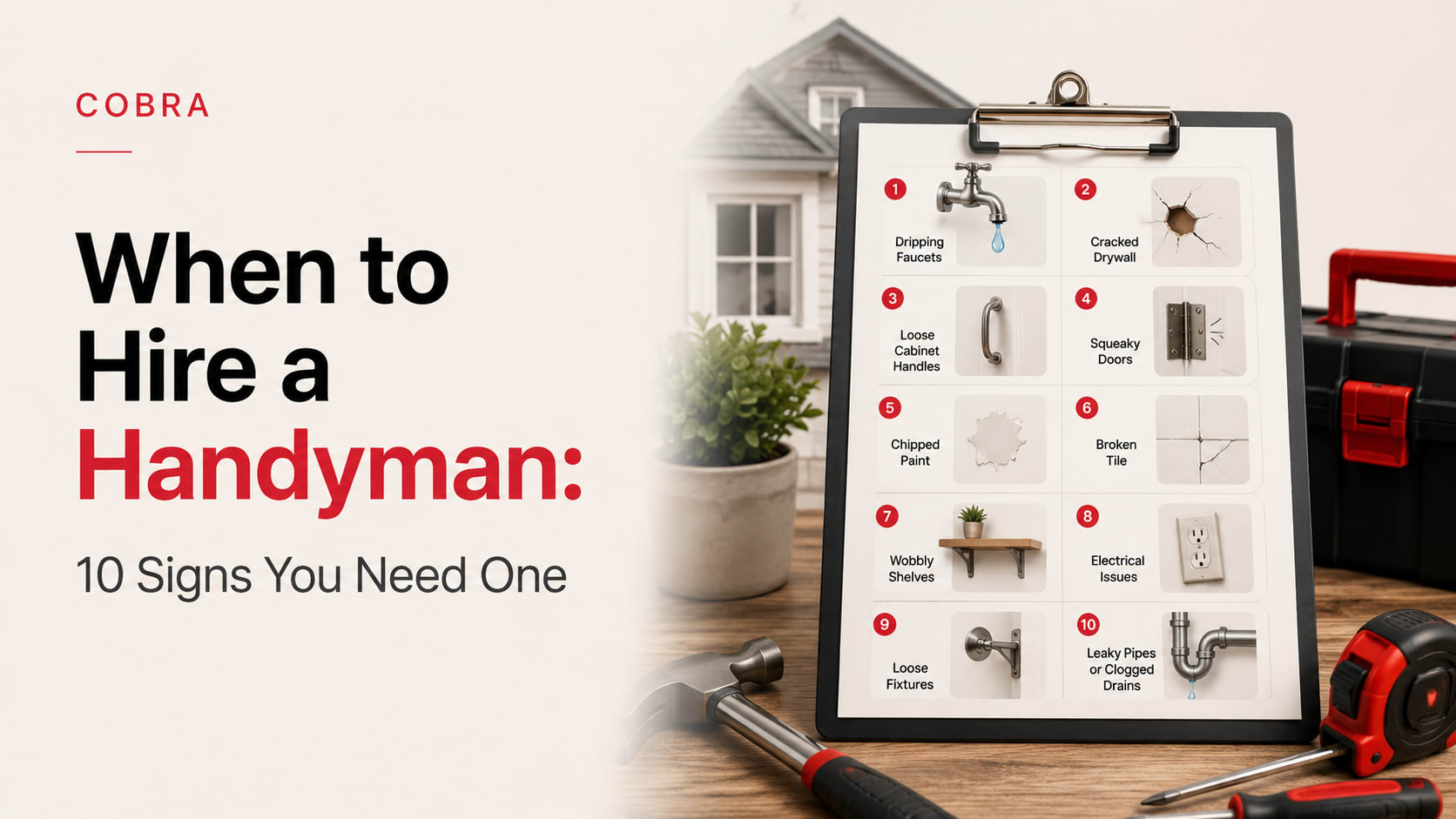
For a structured approach, see the Handyman Services Checklist to ensure every maintenance and installation step is covered.
Preventive Maintenance: Siding Upkeep Checklist
Inspect siding annually for cracks, warping, or gaps.
Clean siding as recommended by the manufacturer—often annually for vinyl and fiber cement.
Check caulking and flashing around windows, doors, and seams.
Trim vegetation away to prevent moisture and pest issues.
Address minor repairs immediately to avoid compounding damage.
For more on balancing proactive and reactive care, review Property Maintenance vs Property Management.
How Cobra Solutions Helps: One Accountable Provider
Managing siding projects across multiple properties or communities is simpler with one licensed and insured partner. Cobra Solutions uses a clear Assess → Plan → Execute → Monitor process, so nothing falls through the cracks—whether you’re replacing siding on a single building or rolling out upgrades for an entire HOA.
Our outdoor maintenance services include siding inspection, repair, and replacement, with compliance and safety top of mind. We coordinate with your board or facilities team to minimize disruption and ensure all work meets code.
Need routine cleaning to maintain your siding’s appearance and longevity? Explore cleaning services in nj for scheduled power washing and debris removal.
For actionable tips on extending siding life and avoiding costly repairs, see Property Maintenance Tips.
Timeline: Siding Project from Start to Finish
Assessment: Inspect current siding, review community standards, and identify repair needs.
Planning: Select materials, get HOA or board approval, and schedule work to avoid peak occupancy or school hours.
Execution: Remove old siding, repair substrate, install new siding to manufacturer and code specs.
Monitoring: Post-install inspection and set up a maintenance schedule.
For help aligning your maintenance calendar, check out Schedule Property Maintenance.
Frequently Asked Questions
How often should siding be replaced?
It depends on the material and local conditions. Vinyl and fiber cement can last 20–40 years with proper care. Wood may require replacement or major repairs more often, especially in wet climates. Regular inspections are key.
What’s the most cost-effective siding for large communities?
Vinyl and engineered wood are common choices for HOAs and multifamily, balancing cost, durability, and ease of maintenance. Always factor in long-term maintenance, not just upfront price.
How do I ensure siding work is code-compliant?
Use a licensed, insured contractor familiar with local codes and HOA requirements. Insist on permits and documented inspections throughout the project.
Can I mix siding types on one property?
Yes, but check HOA or municipal guidelines first. Mixing materials (e.g., stone accents with fiber cement) can boost curb appeal and performance if done properly.
What’s the risk of skipping regular siding maintenance?
Deferred maintenance can lead to water damage, mold, pest infestations, and expensive structural repairs. It can also create insurance and liability issues for boards and managers.
Ready to assess your siding needs or plan a replacement project? Cobra Prime offers end-to-end support for property managers, HOAs, and facilities. Request a quote or schedule a consultation to get a clear, accountable plan for your properties.