Start With a Proactive Maintenance Plan
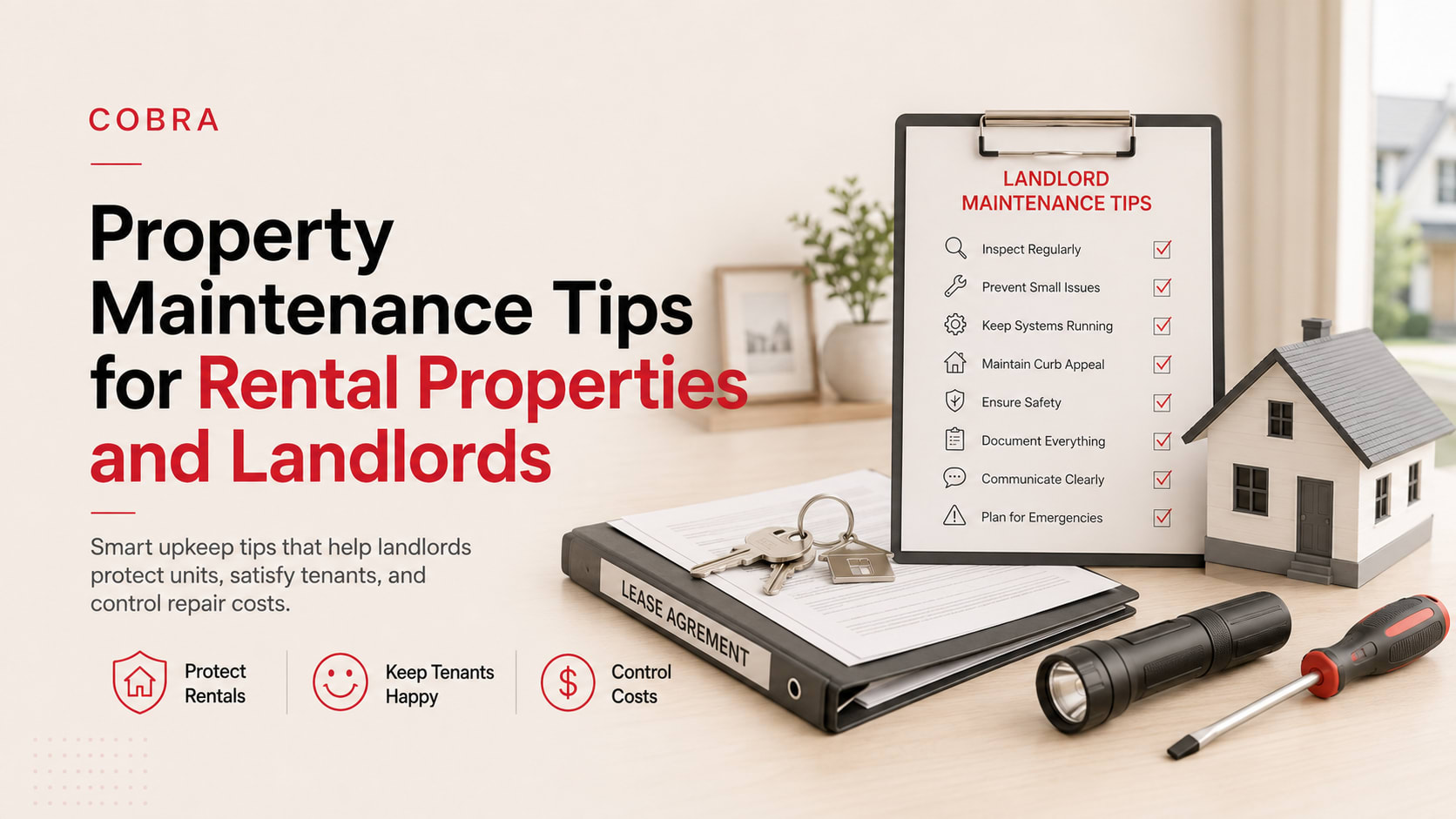
Effective property maintenance isn’t just about fixing problems as they arise. A well-run rental property runs on a proactive, scheduled approach. This keeps costs predictable, reduces tenant complaints, and protects you from liability. The first step: create a written maintenance plan that covers routine, seasonal, and emergency needs for every property you manage.
Checklist: Essentials of a Rental Property Maintenance Plan
Annual and seasonal inspections (HVAC, roof, plumbing, electrical, safety devices)
Documented vendor contacts and escalation procedures
Preventive maintenance schedules for all major systems
Clear division of landlord vs. tenant responsibilities
Emergency response protocols (water leaks, power outages, security issues)
Compliance checks for local codes, smoke/CO detectors, and accessibility
For a deeper breakdown of how often to schedule each task, see How Often Should You Schedule Property Maintenance?.
Preventive vs. Reactive Maintenance: Why It Matters
Deferred maintenance is the fastest way to lose money as a landlord. Small issues—like minor roof leaks or slow drains—become expensive repairs if left unchecked. Preventive maintenance (regular inspections, filter changes, gutter cleaning) costs less and keeps tenants satisfied. Reactive maintenance (waiting for something to break) leads to higher costs, more downtime, and possible code violations.
Comparison Table: Preventive vs. Reactive Maintenance
AspectPreventiveReactiveCostLower, predictableHigher, unpredictableTenant SatisfactionHighLow (delays, disruptions)Liability RiskLowHigh (injuries, code fines)Property ValuePreservedDeclines over time
For more on the difference between maintenance and management, read Property Maintenance vs Property Management.
Vendor Accountability: One Provider vs. Many
Managing multiple vendors—plumbers, electricians, cleaners, landscapers—creates risk. Missed appointments, finger-pointing, and unclear accountability are common complaints from landlords and HOA boards. Instead, consider working with a licensed, insured one-stop provider like Cobra Prime. With a single point of contact, you get:
Consistent quality and compliance
Centralized reporting and billing
Faster response to issues
One accountable partner for Assess → Plan → Execute → Monitor
Learn about comprehensive property maintenance services that can scale across your portfolio.
Budgeting and Compliance: Control Costs, Avoid Fines
Unexpected repairs can destroy your budget. Establish a reserve fund for maintenance and track all expenses. Regular compliance checks (smoke/CO detectors, handrails, pool safety, ADA access) help you avoid costly fines and lawsuits. Document every inspection and repair—this protects you if a tenant or association files a complaint.
Inspection Checklists for Rental Properties
Inspections aren’t just for move-in and move-out. Schedule quarterly or semi-annual walk-throughs, using a written checklist. Focus on:
Exterior: Roof, gutters, siding, walkways, lighting
Interior: Plumbing leaks, HVAC, electrical, appliances, windows/doors
Safety: Smoke/CO detectors, fire extinguishers, locks, trip hazards
Common areas (for HOAs): Hallways, elevators, landscaping, security systems
Document all findings and schedule follow-up work promptly. For examples of issues that can drain your budget, see Common Property Maintenance Issues That Cost Owners Money.
HOA and Community Responsibilities
For HOAs and community associations, maintenance obligations are often spelled out in governing documents. Boards are responsible for common areas, shared systems, and ensuring all work is code-compliant. Poor maintenance can expose the association to lawsuits and special assessments. Set clear standards for response times, vendor qualifications, and resident communication.
Access Control and Security
Don’t overlook security in your maintenance plan. Regularly check locks, gates, lighting, and access control systems. For schools and multi-family properties, ensure visitor management, camera systems, and emergency exits are inspected and tested. Addressing these items reduces liability and keeps residents, students, and staff safe.
Frequently Asked Questions
How often should I schedule property maintenance for my rentals?
Major systems (HVAC, plumbing, electrical) should be inspected at least annually, with seasonal checks for roofs, gutters, and landscaping. For detailed timelines, see How Often Should You Schedule Property Maintenance?.
What’s the difference between property maintenance and property management?
Maintenance covers repairs, inspections, and upkeep. Management includes leasing, rent collection, and tenant relations. Some firms (like Cobra Prime) offer both, but they are distinct services. More details are in Property Maintenance vs Property Management.
How do I make sure vendors are reliable and compliant?
Always verify licenses, insurance, and references. Consider consolidating services with a single licensed provider to streamline accountability and reduce risk.
What are the most common maintenance issues that cost landlords money?
Neglected leaks, HVAC failures, pest infestations, and landscaping problems are frequent culprits. Preventive inspections catch these early—see Common Property Maintenance Issues That Cost Owners Money for examples.
Take the Next Step: Simplify Your Maintenance Operations
Managing rental property maintenance doesn’t need to be a juggling act. With Cobra Prime, you get a licensed, insured partner handling all aspects—from assessment to monitoring—across your entire portfolio. Request a quote or schedule a consultation to see how the Assess → Plan → Execute → Monitor process can reduce your workload, control costs, and keep your properties running smoothly.