Repair or Replace Siding? Start With the Right Decision
If you're responsible for a building, HOA, or campus, siding issues are more than cosmetic. Damaged or aging siding can expose you to water intrusion, mold, pest infestations, and liability claims. The right call—repair or replace—protects your budget and your property’s long-term value. Here’s how to make that decision with confidence, using real criteria and proven processes.
Assess First: What’s Really Happening With Your Siding?
Before you act, get a clear picture of the problem. Walk the property or have a licensed expert inspect. Look for:
Cracks, warping, or rot in panels or boards
Loose, missing, or buckling sections
Blistering, fading, or peeling paint/finish
Soft spots or signs of moisture underneath
Mold, mildew, or pest trails
For a comprehensive approach, reference this Property Maintenance Checklist to ensure nothing is missed.
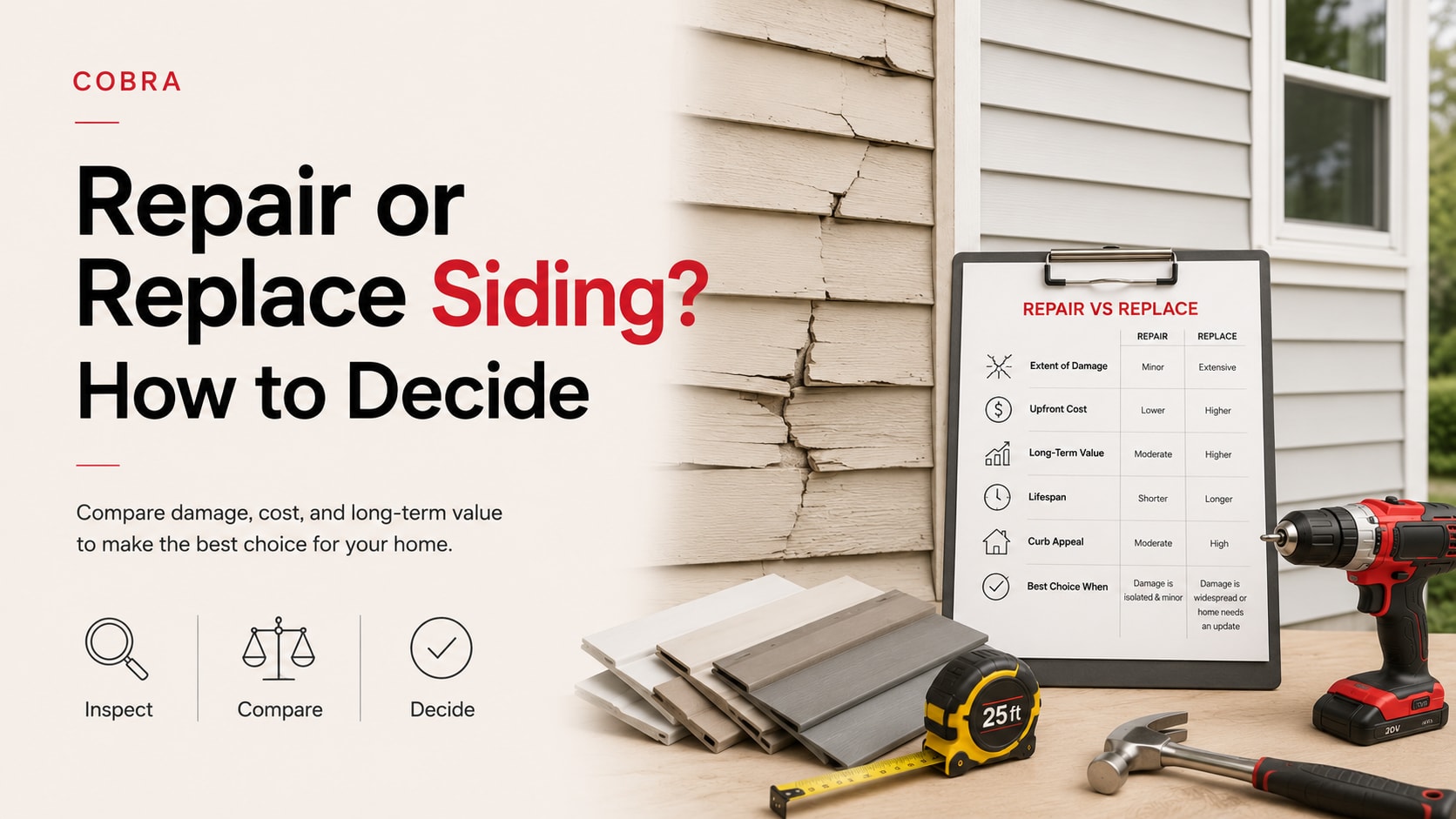
Repair vs. Replace: Use This Table to Decide
Situation Repair Replace Less than 20% of siding affected, isolated damage ✓ Localized cracks, chips, or holes ✓ Widespread rot, warping, or structural failure ✓ Multiple repairs in the same area over 2-3 years ✓ Outdated material, no longer code-compliant ✓ Visible mold, mildew, or pest infestation behind siding ✓
For more examples of common exterior issues, see Common Property Maintenance Issues.
Preventive vs. Reactive: The Cost of Waiting
Deferred siding repairs can lead to much more expensive replacements, water damage, or even insurance claims. A preventive approach—inspecting and maintaining siding annually—catches small problems before they escalate. For a deep dive on this, review Preventive Property Maintenance.
Pro tip: Schedule siding inspections before the rainy season or after extreme weather events. This is especially critical for HOAs and schools, where multiple stakeholders depend on your diligence.
Risk, Liability, and Compliance: What’s at Stake?
Water Intrusion: Damaged siding lets water in, threatening structural integrity and creating mold risks.
Pest Entry: Gaps or rot are open invitations for termites and rodents.
Code Violations: Outdated or failing siding can violate local codes or HOA rules, leading to fines or insurance issues.
Appearance & Value: Poor siding impacts curb appeal, resale value, and tenant satisfaction.
Understand your responsibilities as an HOA or property manager by reviewing What Is Property Maintenance.
Checklist: How to Decide—Step by Step
Inspect all siding surfaces (use a checklist, document findings with photos).
Quantify damage: Is it under or over 20% of the total area?
Check for underlying issues: Water, mold, pests, or interior wall damage?
Review repair history: Are you patching the same spots repeatedly?
Consult codes and HOA rules: Is your siding still compliant?
Get a licensed assessment: Engage a provider who can scope both repair and replacement options.
Budget and plan: Factor in lifecycle costs, not just immediate expense.
Need help with licensed, compliant work? See Cobra’s licensed trade services for siding, carpentry, and exterior repairs.
Vendor Accountability: Why It Matters
One-off contractors can disappear mid-project, miss deadlines, or create warranty headaches. Managing multiple vendors for siding, painting, and debris removal adds risk and complexity. Cobra Solutions uses a single-point-of-contact model—Assess → Plan → Execute → Monitor—so you get clear communication, timely updates, and one accountable provider for the full scope. This approach scales from single buildings to multi-property portfolios.
For properties in New Jersey, Cobra can also handle debris and old siding removal through our junk removal services in NJ.
How Cobra Solutions Streamlines Siding Decisions
Licensed and insured for all exterior repairs and replacements
Detailed assessments with photo documentation
Transparent scoping and budgeting—no surprises
Coordinated project management across trades
Ongoing monitoring to prevent future issues
Learn more about our all-in-one approach at Cobra Prime.
Frequently Asked Questions
How often should siding be inspected on a commercial or HOA property?
At minimum, inspect siding annually and after any major storm. For older properties or those with a history of issues, biannual inspections are best. Document findings and act quickly on any damage.
What’s the most common cause of siding failure?
Water intrusion is the leading culprit—often due to failed caulking, flashing, or neglected minor damage. Regular maintenance and prompt repairs prevent most major failures.
Can I repair just a few damaged boards or panels?
Yes, if the damage is localized and the underlying structure is sound. If repairs become frequent or widespread, replacement is more cost-effective in the long run.
How do I ensure work is code-compliant and won’t create liability?
Always use licensed, insured professionals familiar with local codes and HOA guidelines. Require documentation and final inspections before signing off on any project.
How do I budget for siding repairs or replacement?
Costs vary by material, extent of damage, and access. Get a detailed assessment and quote from a reputable provider. Consider lifecycle costs—sometimes replacement is cheaper over a 10-year span than repeated repairs.
Next Steps: Get a Professional Siding Assessment
Don’t risk deferred maintenance or patchwork fixes. Request a quote or schedule a siding consultation with Cobra Solutions. Our team will assess, plan, and execute the right solution for your property—backed by licensed, accountable service at every step.