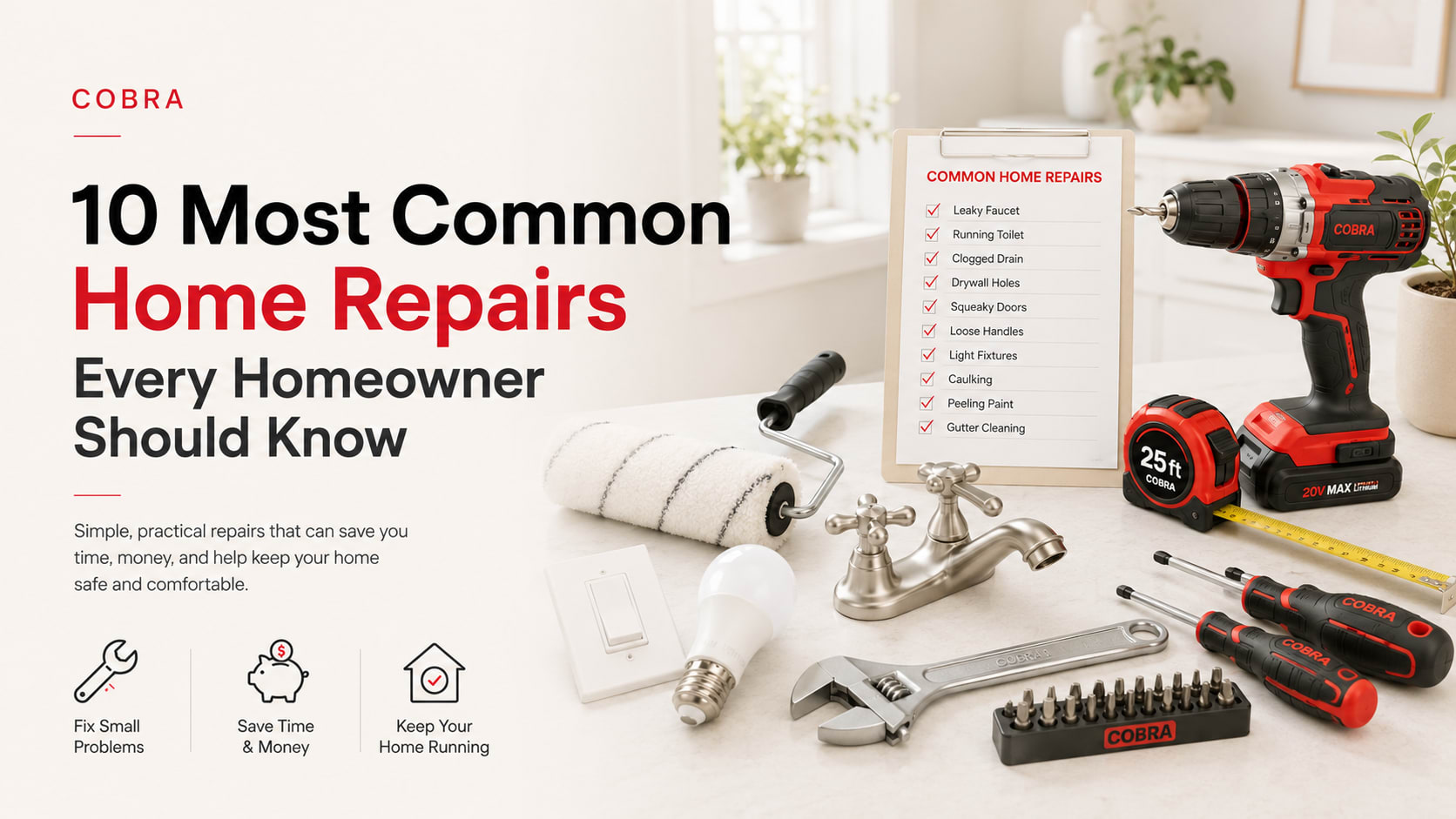
10 Most Common Home Repairs Every Homeowner Should Know
If you’re responsible for a property—whether it’s a single home, an HOA community, a school, or a commercial building—staying on top of common repairs is non-negotiable. Deferred maintenance leads to safety risks, liability, and spiraling costs. Here’s a practical breakdown of the 10 most common home repairs, how to prioritize them, and when to bring in a licensed, accountable provider.
1. Plumbing Leaks
Leaky faucets, running toilets, and dripping pipes are more than annoyances—they can cause water damage, mold growth, and higher utility bills. Regularly check under sinks, around toilets, and near water heaters. For anything beyond a simple washer replacement, use licensed trade services to avoid compliance headaches and ensure code standards are met.
2. Drywall Damage
Cracks, holes, and water stains in drywall crop up in every property. Minor repairs can often be handled in-house, but recurring issues may signal leaks or structural movement. Assess the cause before patching. For a step-by-step decision guide, see Repair or Replace Drywall.
3. Paint Touch-Ups and Repainting
Peeling, faded, or scuffed paint impacts curb appeal and can expose surfaces to moisture damage. Schedule annual inspections of both interior and exterior paint. Prioritize high-traffic areas and exterior trim. For a comparison of paint types and their uses, refer to Interior vs. Exterior Paint.
4. Door and Window Repairs
Sticking doors, broken locks, and drafty windows create security risks and energy loss. Inspect hardware, weatherstripping, and glass at least twice a year. Replace or repair as needed—especially for entry points and common areas. For larger projects, coordinate with renovation and construction services to ensure proper fit and finish.
5. Electrical Issues
Loose outlets, flickering lights, and tripped breakers signal electrical wear or overloaded circuits. Never ignore these warning signs—they can lead to fire hazards. DIY electrical work is risky and often non-compliant; always use licensed trade services for repairs or upgrades.
6. HVAC Problems
Unresponsive thermostats, uneven heating/cooling, and noisy units are common complaints. Change filters quarterly and schedule professional inspections before peak seasons. Preventive maintenance extends equipment life and reduces emergency calls. Consider a Home Maintenance Checklist for routine tasks.
7. Roof Leaks and Gutter Issues
Water stains on ceilings or walls, missing shingles, and overflowing gutters are red flags. Inspect roofs and gutters after storms and every spring/fall. Address issues promptly to avoid interior damage and insurance claims. For exterior upkeep, explore outdoor maintenance services.
8. Flooring Repairs
Loose tiles, squeaky boards, and worn carpet create trip hazards and reduce property value. Schedule floor inspections in high-traffic zones and address repairs quickly. For multi-unit or common area flooring, coordinate repairs to minimize disruption.
9. Appliance Malfunctions
Dishwashers, laundry machines, and water heaters are frequent sources of repair calls. Keep records of appliance ages and warranty coverage. Replace aging units proactively to avoid emergency downtime, especially in shared amenities.
10. Junk and Debris Removal
Unattended debris, old furniture, and bulk trash attract pests and violate community standards. Set clear schedules for junk removal and enforce compliance. For large-scale cleanouts, partner with junk removal services in NJ for safe, compliant disposal.
Preventive vs. Reactive Repairs: What’s the Cost?
Approach Benefits Risks Preventive Maintenance Lower lifetime costs, fewer emergencies, better compliance Requires upfront planning and budget discipline Reactive Repairs Lower short-term spend, only fix what breaks Higher long-term costs, increased liability, tenant dissatisfaction
Most decision-makers find that a preventive approach, with routine inspections and scheduled repairs, reduces total spend and risk exposure over time.
Checklist: 10 Repairs to Inspect Annually
Test all plumbing fixtures for leaks
Check drywall for cracks, holes, or stains
Inspect paint for peeling or damage (inside and out)
Test all doors and windows for function and security
Check outlets, switches, and lights for faults
Service HVAC systems and replace filters
Inspect roof and gutters for damage or debris
Assess flooring for wear, trip hazards, or water damage
Test all appliances for proper function
Schedule junk and debris removal as needed
How to Vet Vendors for Home Repairs
Choosing the right provider is as important as the repair itself. Here’s what to look for:
Licensed and insured for all relevant trades
Clear scope of work and written quotes
References from similar properties
Proven process (Assess → Plan → Execute → Monitor)
Accountability—one provider for multiple service lines
To compare options for complex projects, see Handyman vs. General Contractor.
Scaling Repairs Across Multiple Properties
Managing repairs for several homes or facilities? Standardize your inspection checklists, centralize vendor management, and use a single provider where possible. Property maintenance services from a licensed, all-in-one company like Cobra Solutions streamline communication, ensure compliance, and reduce the risk of no-shows or missed tasks.
When to DIY, When to Call a Pro
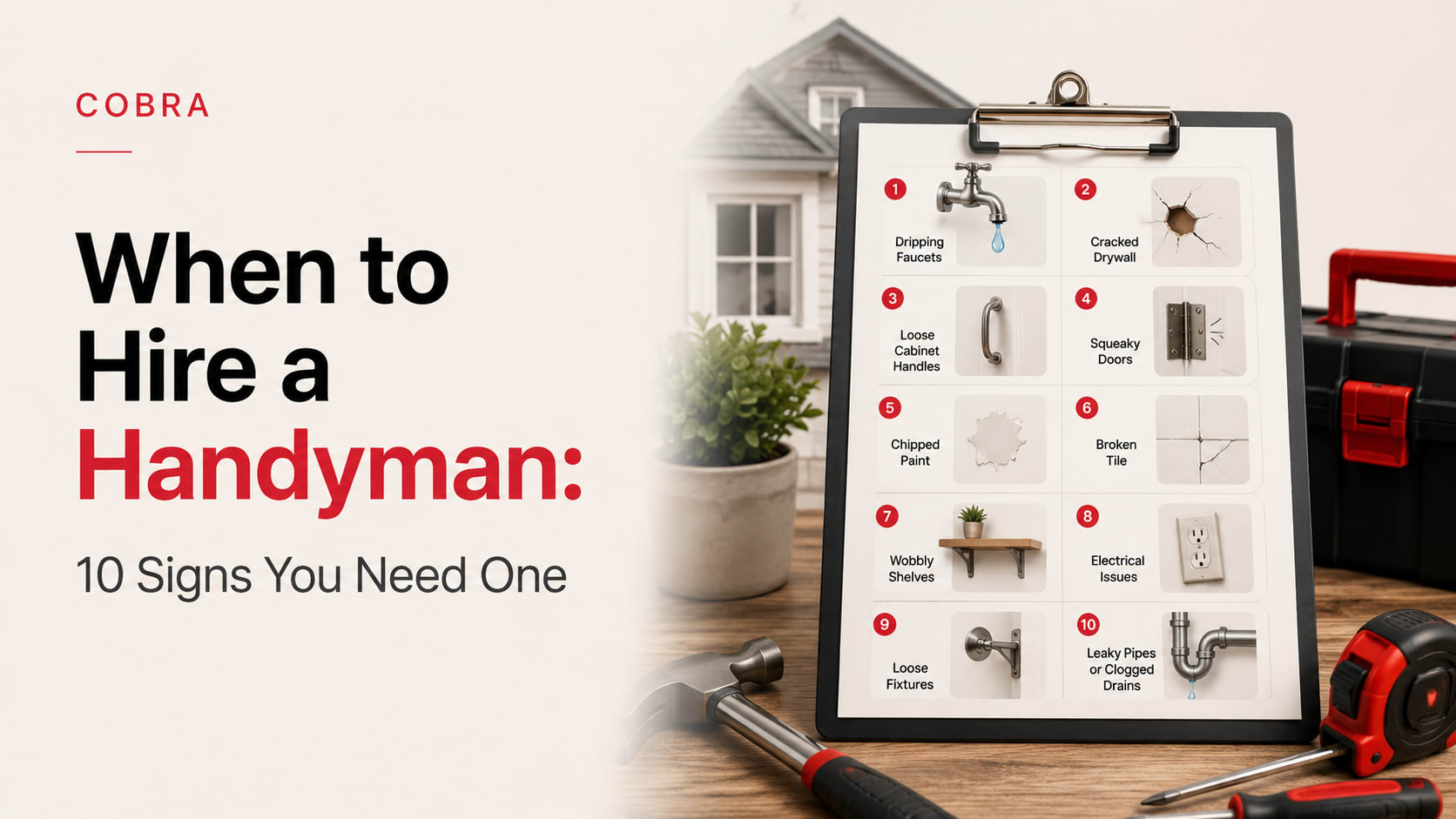
Simple fixes (tightening a hinge, patching a nail hole) can be handled in-house. For anything involving plumbing, electrical, structural, or code compliance, always use a licensed professional. If you’re unsure, see When to Hire a Handyman.
Frequently Asked Questions
What are the most urgent home repairs to address first?
Anything involving water leaks, electrical faults, or structural issues should be prioritized. These can quickly escalate into safety hazards or costly damage if left unchecked.
How often should I inspect my property for these common repairs?
At minimum, conduct a full inspection annually. For high-traffic or high-risk areas (roofs, HVAC, plumbing), inspect every six months or after major weather events.
What’s the best way to budget for ongoing repairs?
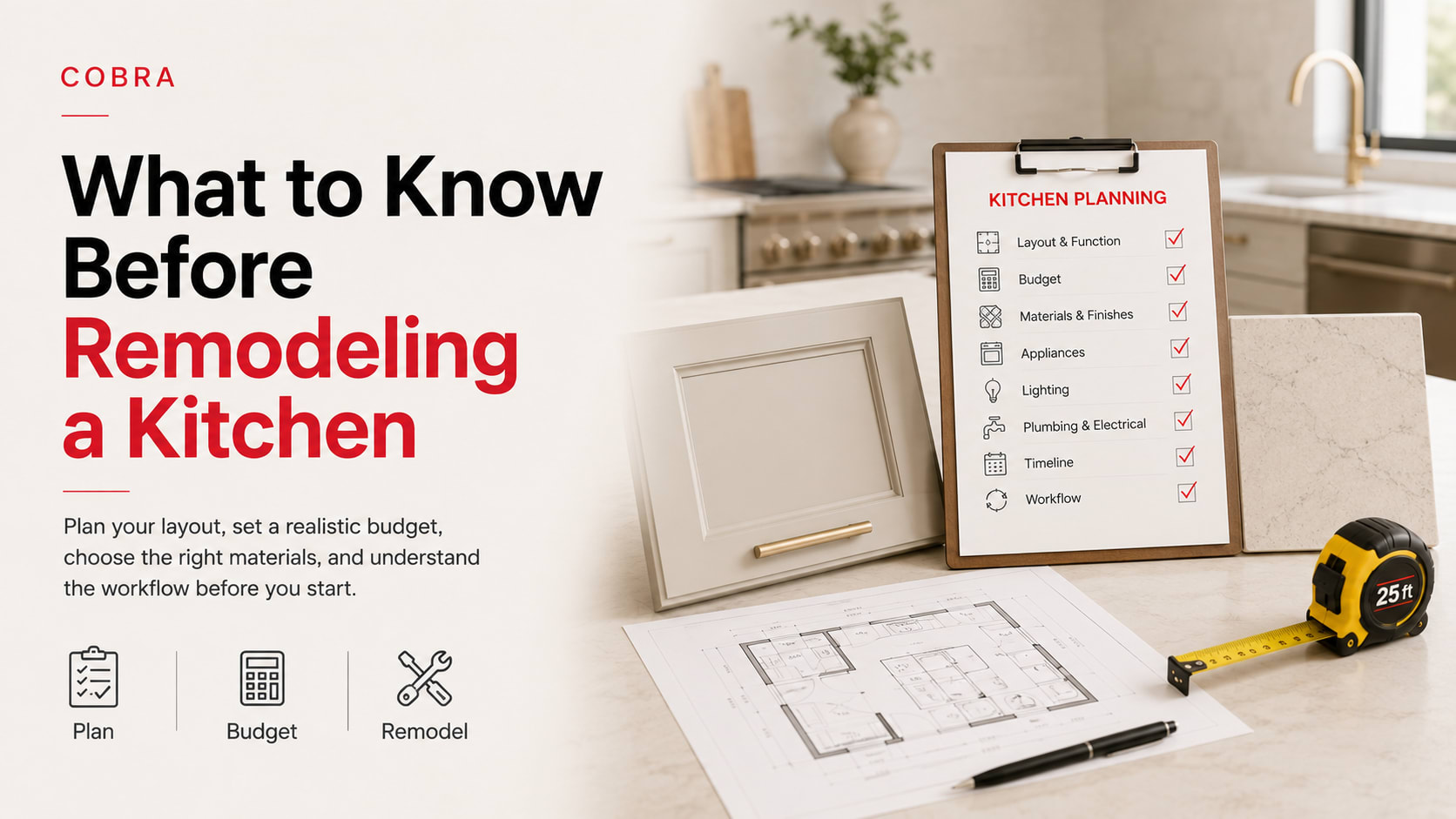
Use historical data and a preventive maintenance checklist to estimate annual repair costs. Build in a contingency fund for emergencies. For more planning tips, see How to Plan a Home Improvement Project.
How can I minimize liability for repair-related incidents?
Document all inspections and repairs, use licensed and insured vendors, and address hazards promptly. Regular communication with residents or tenants also helps prevent misunderstandings.
Can one provider handle all these repairs?
Yes—using an all-in-one, licensed provider like Cobra Prime means you have a single point of accountability for property maintenance, repairs, and compliance across all your properties.
Next Steps: Make Home Repairs Hassle-Free
Managing repairs doesn’t have to mean juggling multiple vendors or reacting to emergencies. With Cobra Solutions, you get a licensed, insured partner using a proven Assess → Plan → Execute → Monitor process. Request a quote or schedule a consultation to see how we can simplify your property operations and help you stay ahead of common repairs.Related guides