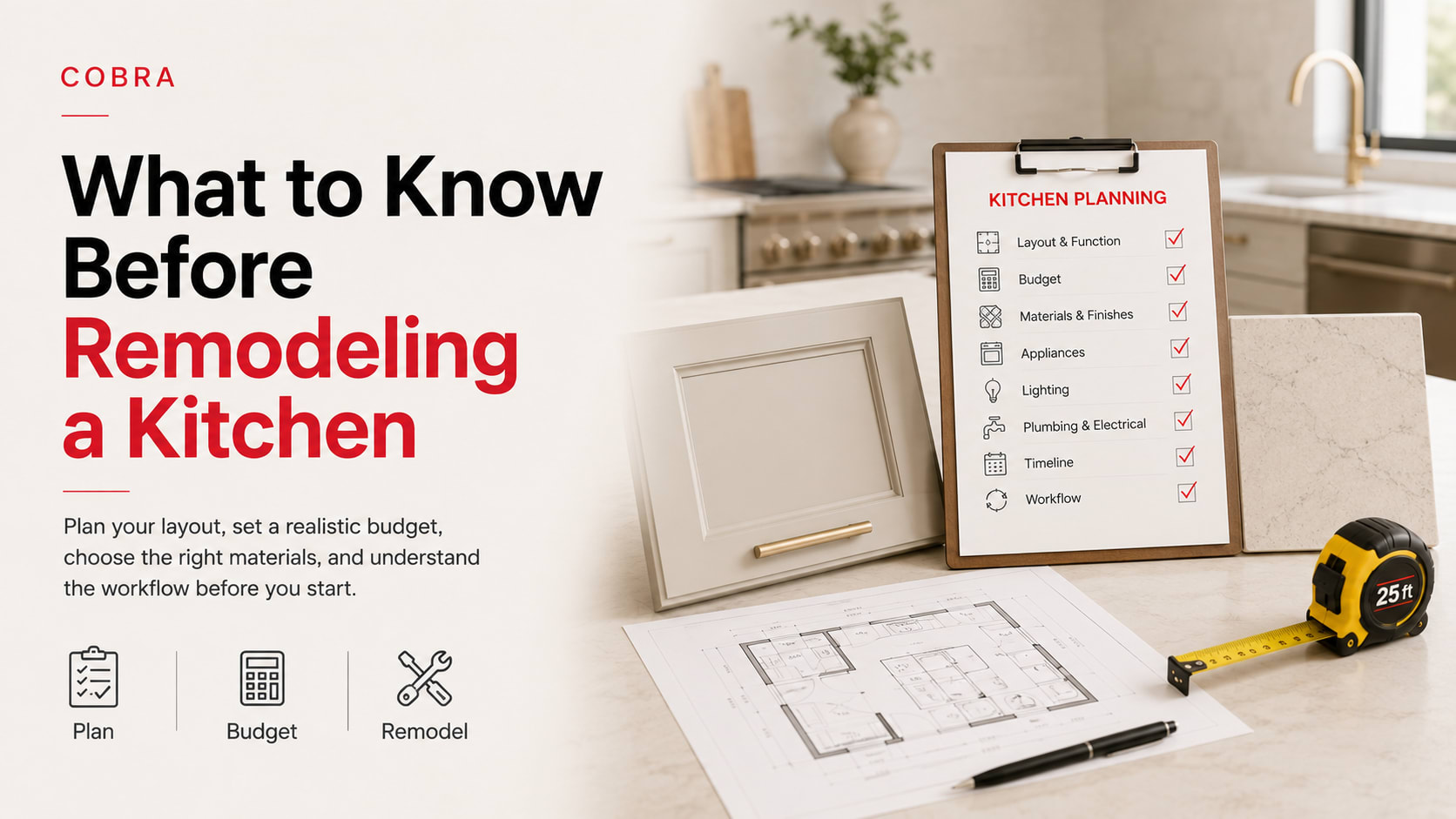

Start with the End in Mind: Define Project Goals and Scope
Before you call a contractor or issue an RFP, clarify exactly what you need to accomplish. Are you looking to boost curb appeal, resolve a safety issue, or complete deferred maintenance? Define success criteria—"replace all hallway lighting with LED," "bring pool area up to code," or "renovate lobby for ADA compliance." This clarity prevents costly scope creep and miscommunication down the line.
For larger properties or HOAs, document which stakeholders need to approve the project and what compliance standards must be met. For schools and facilities, reference your annual Home Maintenance Checklist to spot preventive work that can be bundled into the same project.
Assess: Site Walkthroughs and Risk Identification
Always start with a thorough walkthrough. Note visible issues, but also inspect for hidden risks—water intrusion, electrical hazards, or code violations. Take photos and measurements. For multifamily or commercial properties, involve a licensed professional for any project touching structural, electrical, or plumbing systems. This is where the "Assess" step in Cobra’s process saves time and liability headaches later.
If you’re unsure whether an update is a repair or a full replacement, check out our guidance on Repair or Replace Drywall for practical decision criteria.
Plan: Budgeting, Scheduling, and Vendor Vetting
Develop a realistic budget. Factor in materials, labor, permits, and a contingency for surprises. For HOAs and schools, confirm how costs will be allocated—operating vs. reserve funds, or grant-based for public facilities. Build your schedule backward from required completion dates, including time for approvals, inspections, and punch lists.
Vendor selection is where many projects go off the rails. Require proof of insurance and licensing, references for similar work, and clear communication protocols. If you’re debating who to hire, see our comparison: Handyman vs. General Contractor.
If you need specialized trades, work only with a licensed trade services provider to avoid liability and compliance risks.
Execute: Managing the Work and Minimizing Disruption
Set clear expectations with your contractor or service provider—daily work hours, site access, staging areas, and noise restrictions. For occupied properties, communicate schedules and safety protocols to residents, tenants, or staff. For schools, coordinate with administration to minimize class disruptions and comply with child safety laws.
Assign a single point of contact to track progress and resolve issues quickly. If you’re managing multiple vendors, this step is where things often get lost—Cobra’s all-in-one approach means you have one accountable provider overseeing all phases.
For jobs involving debris or old materials, arrange junk removal services in NJ ahead of time to keep the site clean and safe.
Monitor: Inspection, Punch List, and Closeout
Don’t sign off until you’ve inspected the work against your original scope. Use a written punch list—document any deficiencies and require written confirmation when items are resolved. For HOAs and commercial properties, keep records for compliance and future audits.
Schedule any required code inspections. For ongoing maintenance, consider a long-term partner for property maintenance services to prevent small issues from becoming major repairs.
Step-by-Step Home Improvement Planning Checklist
StepKey ActionsWho’s Responsible Define Scope & GoalsDocument objectives, compliance needs, stakeholdersManager/Board/Admin Assess SiteWalkthrough, photos, risk identificationManager + Licensed Pro Plan & BudgetEstimate costs, schedule, select vendorsManager/Board/Admin Vet VendorsCheck licenses, insurance, referencesManager/Board/Admin Execute WorkSupervise, communicate, manage disruptionManager/Contractor Monitor & InspectPunch list, code sign-off, documentationManager/Board/Admin
Preventive vs. Reactive: Why Planning Matters
Deferred maintenance leads to higher costs and liability. Proactive planning allows you to bundle repairs, schedule work during low-occupancy periods, and avoid emergency premiums. For a comprehensive approach, see our Home Renovation Checklist for what to include in your annual review.
Common Pitfalls—and How to Avoid Them
Vague project scopes: Leads to change orders and budget overruns.
Poor vendor vetting: Results in no-shows, substandard work, or compliance risks.
Lack of communication: Causes resident complaints, delays, and liability exposure.
Skipping inspections: Can void warranties or trigger fines.
Working with a property services company that manages the entire process reduces these risks and streamlines accountability.
Frequently Asked Questions
How do I decide between a handyman and a general contractor?
If your project involves multiple trades, structural changes, or permits, a general contractor is required. For smaller repairs or single-trade work, a handyman services in NJ provider may suffice. Always verify licensing and insurance.
What should be included in a project scope document?
List all work to be performed, materials, finish levels, compliance requirements, and any exclusions. Attach photos or sketches if possible.
How can I control project costs?
Request detailed quotes, set a clear scope, and include a contingency. Avoid scope changes after work begins unless absolutely necessary.
What are the risks of hiring unlicensed vendors?
You could face fines, liability for injuries, insurance claim denials, or failed inspections. Always use licensed trade services for regulated work.
How does Cobra Solutions simplify the process?
Cobra manages your project from assessment through completion, handling all trades, compliance, and documentation—so you deal with one accountable provider, not a patchwork of vendors.
Ready to Get Started?
Planning a home improvement project doesn’t have to mean juggling vendors or risking costly mistakes. If you want a single, licensed, and insured partner to handle the entire process—from assessment to closeout—request a quote or schedule a consultation with Cobra Solutions today.