Deciding Between Drywall Repair and Replacement: The Bottom Line
For property managers, HOA board members, and facility leaders, drywall issues are inevitable—damage from leaks, impacts, or wear can disrupt operations and pose liability risks. The key decision: repair or replace? The right call protects your budget, keeps tenants and residents safe, and ensures compliance. Here’s how to decide, with practical checklists and examples you can use immediately.
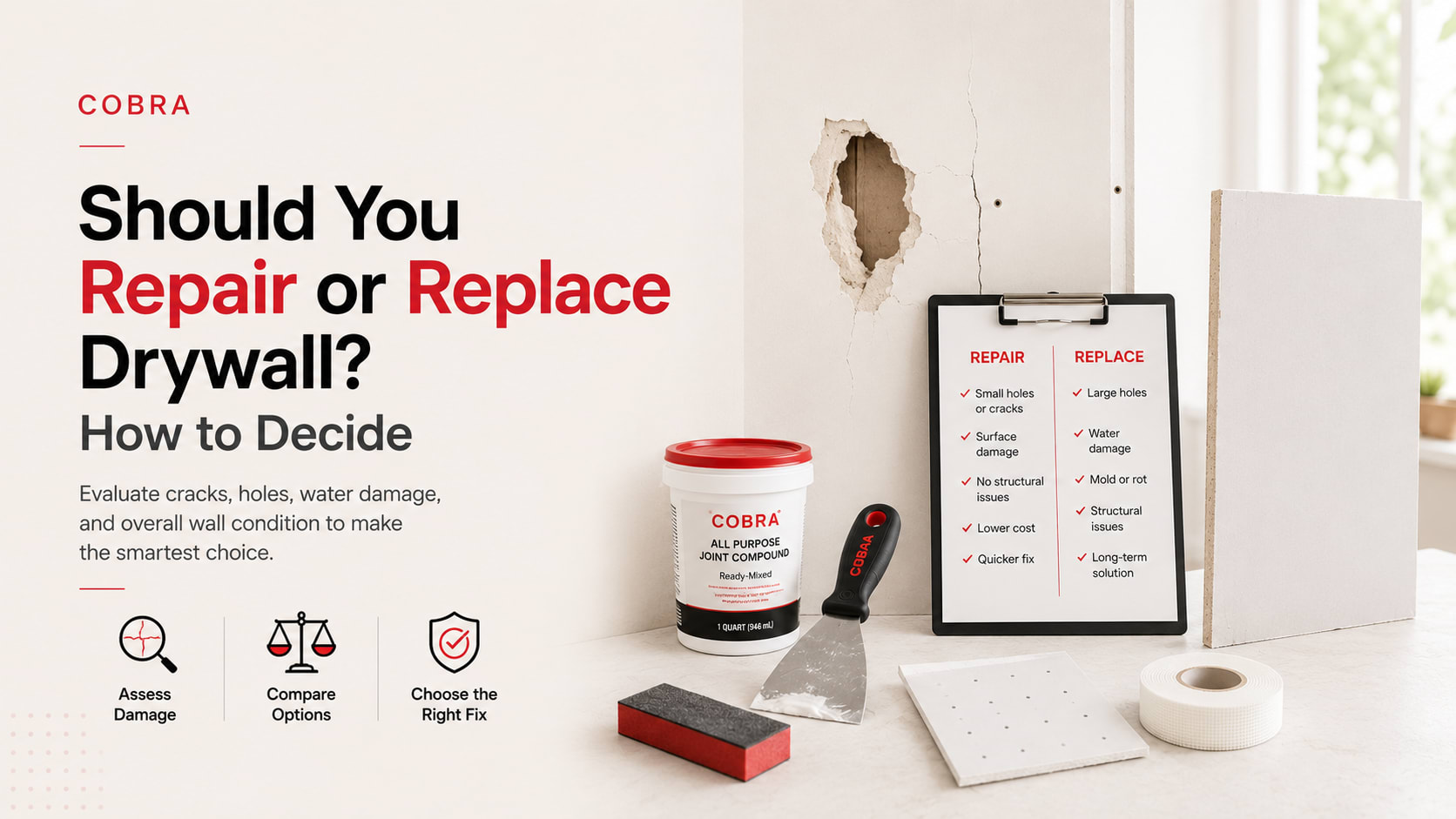
When to Repair Drywall
Not every dent or crack justifies full replacement. In most cases, targeted repairs are faster, less disruptive, and more cost-effective. Choose repair when:
The damage is minor: Small holes (under 6”), hairline cracks, nail pops, or surface dents.
No signs of mold, mildew, or water intrusion behind the wall.
The drywall is structurally sound—no sagging, crumbling, or soft spots.
Fire or building code integrity is not compromised.
Matching texture and paint is feasible for aesthetics.
For routine issues, a licensed handyman services in Nj provider can patch, sand, and paint in a single visit, minimizing disruption. This is especially useful for high-traffic areas in schools, offices, and common spaces.
When to Replace Drywall
Replacement is the safer, smarter option in these scenarios:
Extensive water damage, especially with visible mold or mildew.
Large holes, deep cracks, or repeated repairs in the same area.
Warped, bulging, or sagging panels—signs of structural compromise.
Fire, smoke, or chemical damage.
Older drywall with asbestos risk (pre-1980s construction—requires licensed abatement).
Full replacement may also be needed to maintain fire ratings in multi-unit buildings or to comply with insurance and inspection requirements. If you’re planning broader upgrades, coordinate drywall replacement with other renovation and construction services for efficiency and cost control.
Repair vs. Replace: Quick Comparison Table
CriteriaRepairReplace Damage SizeSmall (<6” holes, cracks)Large holes, multiple panels Mold/Water IntrusionNonePresent or suspected Fire/Code ComplianceNot affectedCompromised Cost & DisruptionLower, minimal downtimeHigher, more labor Long-Term DurabilityGood if isolatedBest for recurring or severe issues
Inspection Checklist: What to Look For
Check for soft spots, discoloration, or musty odors—signs of hidden water or mold.
Probe cracks and holes: If they widen or crumble, replacement is likely needed.
Review building codes and HOA guidelines for fire-rated assemblies.
Document all findings with photos for your records and vendor accountability.
If in doubt, consult a provider offering licensed trade services for a professional assessment.
Risk Management: Liability, Compliance, and Vendor Reliability
Deferred drywall repairs can lead to escalating costs, tenant complaints, and even code violations. Mold behind walls is a top liability risk—especially in schools and multifamily properties. Always vet vendors for licensing, insurance, and references. Avoid no-show contractors by choosing a property maintenance services partner who manages the process end-to-end, from assessment to follow-up.
Cobra Solutions uses a clear Assess → Plan → Execute → Monitor process. You get one point of contact, transparent reporting, and scalable operations across multiple properties—no more juggling separate drywall, painting, and cleaning vendors. This is critical for HOAs and facility managers responsible for large portfolios.
Budgeting and Preventive Maintenance
Plan for both reactive and preventive drywall work in your annual budget. Regular walkthroughs—using a Home Maintenance Checklist—help catch small issues before they become big repairs. For recurring damage (e.g., in school gyms or apartment hallways), consider impact-resistant drywall or protective wall coverings as part of your long-term strategy.
For bundled savings and less administrative overhead, consider working with an all-in-one property services company that can integrate drywall, painting, cleaning, and other needs in a single contract.
Coordinating with Other Projects
If you’re planning a larger renovation, coordinate drywall work with painting, electrical upgrades, or security system installs. This minimizes downtime and avoids rework. For tips on sequencing and vendor management, see Home Renovation Checklist and How to Plan a Home Improvement Project.
Frequently Asked Questions
How do I know if drywall damage is just cosmetic?
Inspect for depth and extent. Cosmetic damage is usually surface-level—small dents, nail pops, or hairline cracks. If the wall feels soft, smells musty, or shows signs of water, it’s more than cosmetic and needs professional evaluation.
Can I patch drywall myself, or should I hire a pro?
Minor repairs can be DIY, but for commercial or community properties, it’s best to use licensed handyman services in Nj or a maintenance provider. This ensures code compliance, warranty, and reduces liability.
What’s the risk of not replacing water-damaged drywall?
Leaving water-damaged drywall can lead to mold growth, structural issues, and health hazards. This exposes the property owner or association to fines and lawsuits. Always replace drywall with any sign of water intrusion or mold.
How often should drywall be inspected in high-traffic properties?
Schedule inspections at least annually, or more often in schools, gyms, or multifamily common areas. Use a Home Maintenance Checklist to standardize your process.
How can I minimize disruption during large drywall projects?
Work with a provider who coordinates all phases—assessment, scheduling, execution, and cleanup. Group drywall work with other maintenance tasks when possible. Communicate timelines to occupants and post clear signage.
Take the Next Step: Get a Professional Drywall Assessment
Drywall decisions impact safety, compliance, and your bottom line. If you’re facing recurring damage, water issues, or large-area repairs, request a tailored assessment from Cobra Solutions. Our licensed and insured team manages the full process—so you get reliable results, one accountable provider, and no surprises. Request a quote or schedule a consultation today.Related guides