Deciding When to Patch, Repair, or Replace Drywall
For property managers, HOA board members, and facility directors, drywall issues are inevitable. The real challenge is knowing when a quick patch will suffice, when a more involved repair is needed, and when full replacement is the only responsible choice. Making the right call reduces liability, controls costs, and helps avoid recurring problems that frustrate residents or tenants.
Key Criteria: Patch, Repair, or Replace?
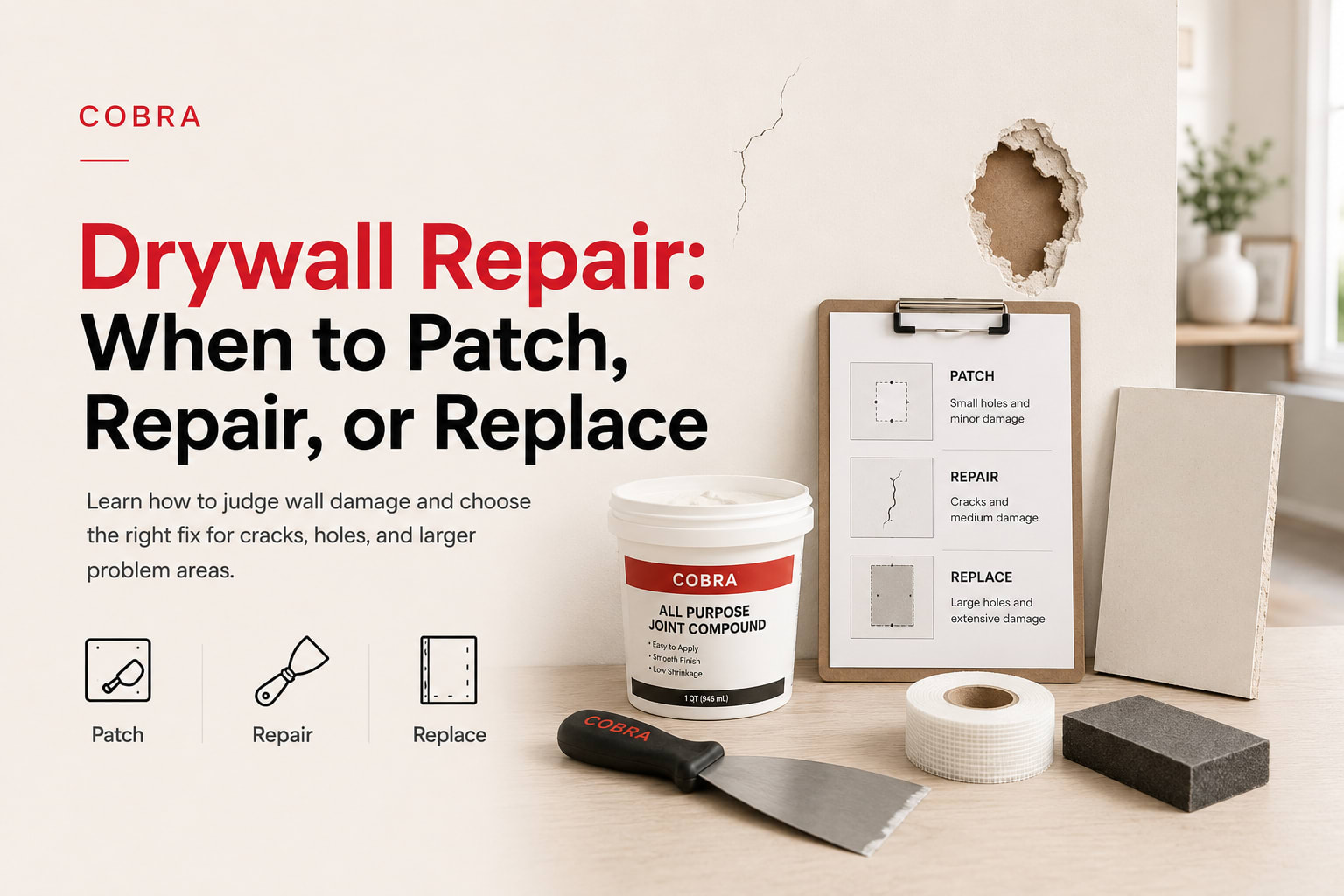
Patch: Use for minor holes (nail/screw holes, small dings) under 2 inches, surface scratches, or minor dents with no underlying moisture or structural damage.
Repair: Needed for cracks, holes 2–6 inches, water stains (after moisture source is fixed), or joint tape issues. Reinforcement and new compound may be required.
Replace: Necessary for large holes, crumbling or sagging sections, mold, persistent water damage, or repeated repairs in the same spot.
For a more detailed breakdown of these scenarios, review the repair or replace drywall guide.
Risks of Deferred or Inadequate Drywall Repairs
Liability: Damaged drywall can hide electrical or plumbing issues, and mold growth can trigger insurance and regulatory headaches.
Resident Complaints: Visible damage undermines trust and satisfaction—especially in common areas or high-traffic spaces.
Escalating Costs: Small issues become big ones if ignored, leading to more disruptive and expensive repairs.
Drywall Repair Checklist for Decision-Makers
Condition Patch Repair Replace Small holes (<2") ✔️ Cracks/joint tape issues ✔️ Water stains (after leak fixed) ✔️ Mold, sagging, large holes (>6") ✔️ Repeated repairs, structural issues ✔️
Preventive vs. Reactive Drywall Maintenance
Preventive maintenance means regular inspections—especially after leaks, HVAC upgrades, or tenant turnovers. Documenting and addressing minor issues early keeps costs in check and minimizes disruption. Reactive repairs—waiting until residents complain or damage is obvious—often lead to higher costs, longer downtime, and more resident frustration. For a broader look at routine fixes, see common home repairs.
Vendor Vetting and Accountability
Many property managers have been burned by unreliable contractors—no-shows, unfinished work, or improper repairs that require rework. Vet vendors for licensing, insurance, and a proven process. With Cobra Prime, you get licensed and insured handyman services in NJ and a single point of accountability for drywall, paint, and other property needs.
HOA and Community Association Responsibilities
For HOAs and community associations, drywall in common areas is a shared responsibility. Prompt repairs protect property values and reduce liability. Document all maintenance decisions, and make sure vendors provide clear scopes of work and post-job reports. For a full list of tasks to delegate, check the Handyman Services Checklist for Homeowners.
Drywall Repair and Painting: Coordination Tips
Fresh repairs often require painting to match existing finishes. Coordinate drywall and painting work together—especially in high-visibility areas. Understand the differences between interior vs. exterior paint to ensure proper selection and durability.
Cobra Prime’s Process: Assess → Plan → Execute → Monitor
Assess: Site walkthroughs and documented inspections to identify all drywall issues, including hidden risks.
Plan: Clear scopes, timelines, and coordination with other trades (e.g., plumbing, electrical, painting).
Execute: Licensed, insured professionals complete the work to code and document the results.
Monitor: Post-repair follow-up and ongoing inspection to catch future issues early.
This approach scales across single-family homes, multifamily buildings, schools, and commercial properties—eliminating the need to juggle multiple unreliable vendors.
Frequently Asked Questions
How do I know if drywall damage is hiding a bigger problem?
Look for stains, musty odors, or soft spots—these may indicate leaks or mold. Always fix the underlying issue before repairing drywall. If in doubt, have a licensed professional inspect the area.
Can I patch drywall myself, or should I hire a pro?
Small patches (nail holes, minor dents) can be DIY, but larger repairs, moisture damage, or work in common areas should be handled by licensed, insured pros to ensure compliance and durability.
How quickly should drywall damage be addressed?
Address minor cosmetic issues within weeks; urgent repairs (water, mold, structural) should be prioritized within days. Delays increase risk and repair costs.
Is drywall repair covered by insurance or reserve funds?
It depends on the cause (accidental vs. deferred maintenance) and your policy or HOA rules. Document all incidents and repairs for compliance and budgeting.
How do I budget for ongoing drywall maintenance?
Include routine inspections and a contingency for unexpected repairs in your annual property maintenance budget. Grouping repairs with other services can reduce costs and disruptions.
Next Steps: Get Reliable, Accountable Drywall Repair
If you’re ready to stop juggling unreliable contractors and want one accountable provider for drywall and property maintenance, request a quote or schedule a consultation with Cobra Prime. Our licensed, insured team delivers drywall repairs and more—on time, to code, and with clear communication every step of the way.