Post-Construction Cleaning: What Needs to Be Removed?
After any construction or renovation project, your property isn’t ready for residents, staff, or tenants until it’s been thoroughly cleaned. Overlooking a single hazard or missed debris can delay reopening, trigger compliance issues, or even create liability risks. Here’s a practical, step-by-step guide to what needs to be removed, how to verify the job is complete, and how to avoid common pitfalls—whether you manage a single building or a multi-site portfolio.
Why Post-Construction Cleaning Is Non-Negotiable
Construction dust, debris, and leftover materials aren’t just unsightly—they’re a safety and compliance issue. Fine dust can trigger fire alarms, damage HVAC systems, and create slip hazards. Nails, screws, and sharp scraps can injure staff or residents. Paint splatter, adhesives, and residue can violate lease agreements or HOA rules. For schools and facilities, reopening without a cleaning sign-off can even risk regulatory penalties.
What Needs to Be Removed: The Essential Checklist
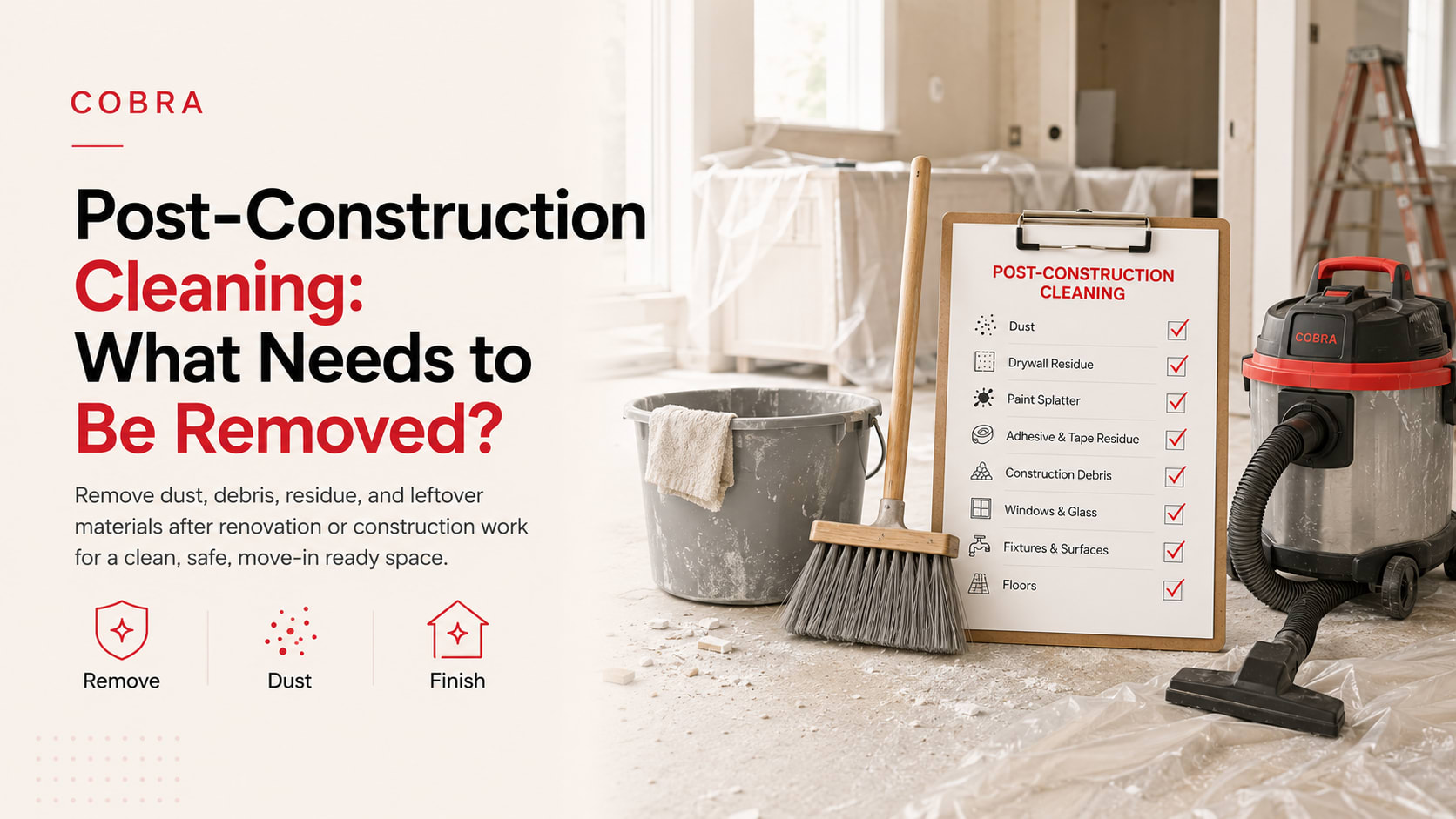
AreaItems to RemoveRisks if MissedFloors & CarpetsDust, nails, staples, paint, adhesives, tapeSlip/trip, allergies, permanent stainsWalls & CeilingsDust, residue, fingerprints, paint splatterPoor finish, failed inspectionsWindows & DoorsProtective film, stickers, caulk, dust, debrisVisibility issues, adhesive damageFixtures & OutletsPackaging, dust, labels, construction residueElectrical/fire risk, non-functioning equipmentHVAC & VentsDust, filters, debris, construction wrapSystem failure, air quality complaintsCabinetry & SurfacesSawdust, adhesives, fingerprints, packagingHygiene issues, sticky surfacesExterior & EntrywaysDebris piles, nails, leftover materialsTrip hazards, curb appeal, HOA violations
Step-by-Step: How to Ensure a Complete Post-Construction Clean
Assess: Walk through the site with your contractor and cleaning team. Identify all areas affected—not just the obvious ones.
Plan: Scope the cleaning: surfaces, air vents, windows, floors, and exterior. Decide if you need cleaning services in NJ that handle both fine dust and heavy debris.
Execute: Schedule cleaning after all punch-list work is complete, but before move-in or final inspection. Use a checklist to confirm every item is addressed.
Monitor: Inspect the work. Walk every space, check vents, test fixtures, and look for hidden debris in corners, closets, and under appliances.
Preventive vs. Reactive Cleaning: Avoiding the Common Pitfalls
Preventive cleaning means planning for debris removal before construction even begins. Require your contractor to contain dust, protect flooring, and remove large debris daily. Reactive cleaning is what you do after the fact—often more costly and disruptive. If you’re juggling multiple vendors, details get missed. With Cobra Prime, you get one accountable provider managing the entire renovation and construction services process, including post-construction cleaning, minimizing gaps between trades.
What About Junk and Large Debris?
Post-construction cleaning is not the same as junk removal. Large debris, leftover materials, and contractor trash must be hauled away before fine cleaning begins. Use a Junk Removal Checklist Before a Home Cleanout to ensure nothing is left behind that could delay reopening or trigger HOA fines.
Deep Cleaning vs. Regular Cleaning: Know the Difference
Post-construction cleaning is a specialized form of deep cleaning. It goes far beyond routine janitorial work and requires different tools, PPE, and expertise. For a breakdown of what’s involved, see Deep Cleaning vs Regular Cleaning: What’s the Difference? so you know what to expect from your provider.
How to Vet Your Cleaning Vendor
Verify they are licensed and insured for property work in your state.
Ask for a written scope of work and cleaning checklist.
Request references for similar projects—especially if you manage HOAs, schools, or multi-unit properties.
Clarify who is responsible for debris removal, hazardous waste, and final inspection sign-off.
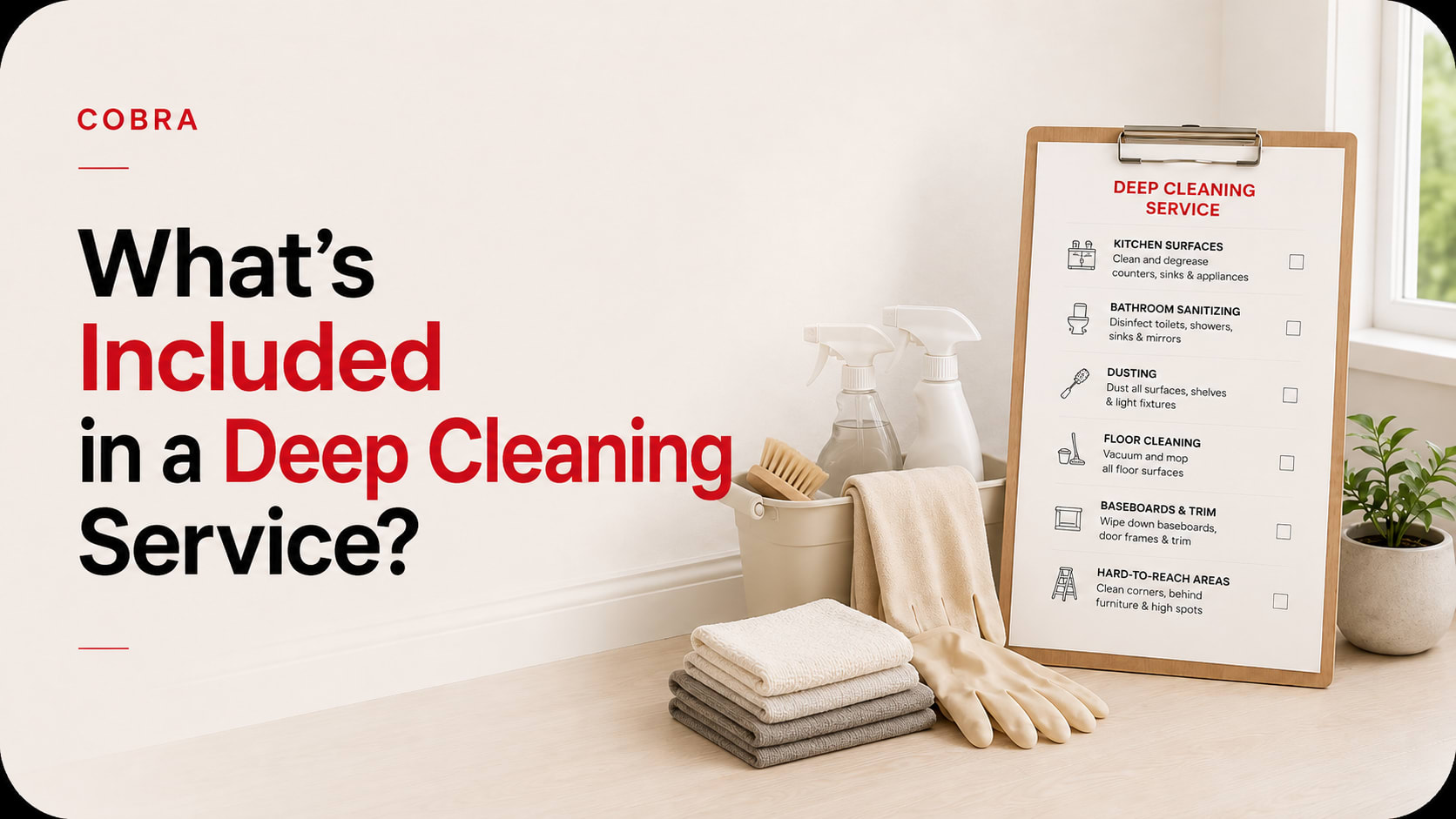
For a full breakdown of scope, see What's Included in Deep Cleaning Service.
Frequently Asked Questions
What is typically left behind after construction that must be removed?
Common items include dust, nails, screws, packaging, paint splatters, adhesives, and protective films. Don’t forget HVAC vents, which often trap fine dust that can circulate after reopening.
Who is responsible for post-construction cleaning—the contractor or property manager?
Responsibility should be clearly defined in your contract. Sometimes contractors provide a "broom clean" finish, but detailed cleaning is often left to the property manager or owner. Always confirm in writing.
How long does post-construction cleaning take?
Timeline depends on the project size and scope. A single-family home may take a day; a commercial or school facility can take several days. Schedule cleaning after all construction is complete, but before move-in or inspections.
Do I need a professional cleaning company, or can my staff handle it?
For minor touch-ups, in-house staff may suffice. For large projects, or where compliance and safety are critical, use a licensed, professional service with experience in post-construction cleaning.
What if debris or dust is missed during cleaning?
Missed debris can delay reopening, trigger complaints, or cause safety incidents. Always perform a final walkthrough and require your vendor to address any issues before sign-off.
Ready for a Safer, Faster Reopening?
Post-construction cleaning is the last step before you can safely and confidently reopen your property. Don’t risk delays, liability, or failed inspections by cutting corners. With Cobra Prime, you get one licensed, insured provider for construction, cleaning, and maintenance—delivered through our Assess → Plan → Execute → Monitor process. Request a quote or schedule a consultation today to ensure your next project wraps up on time, on budget, and fully compliant.