Deep Cleaning vs Regular Cleaning: The Decision at a Glance
If you’re responsible for a property or community, you know cleaning isn’t just about appearances. The difference between deep cleaning and regular cleaning has real implications for compliance, safety, tenant satisfaction, and long-term maintenance costs. Here’s how to decide what your property needs—and when.
What Is Regular Cleaning?
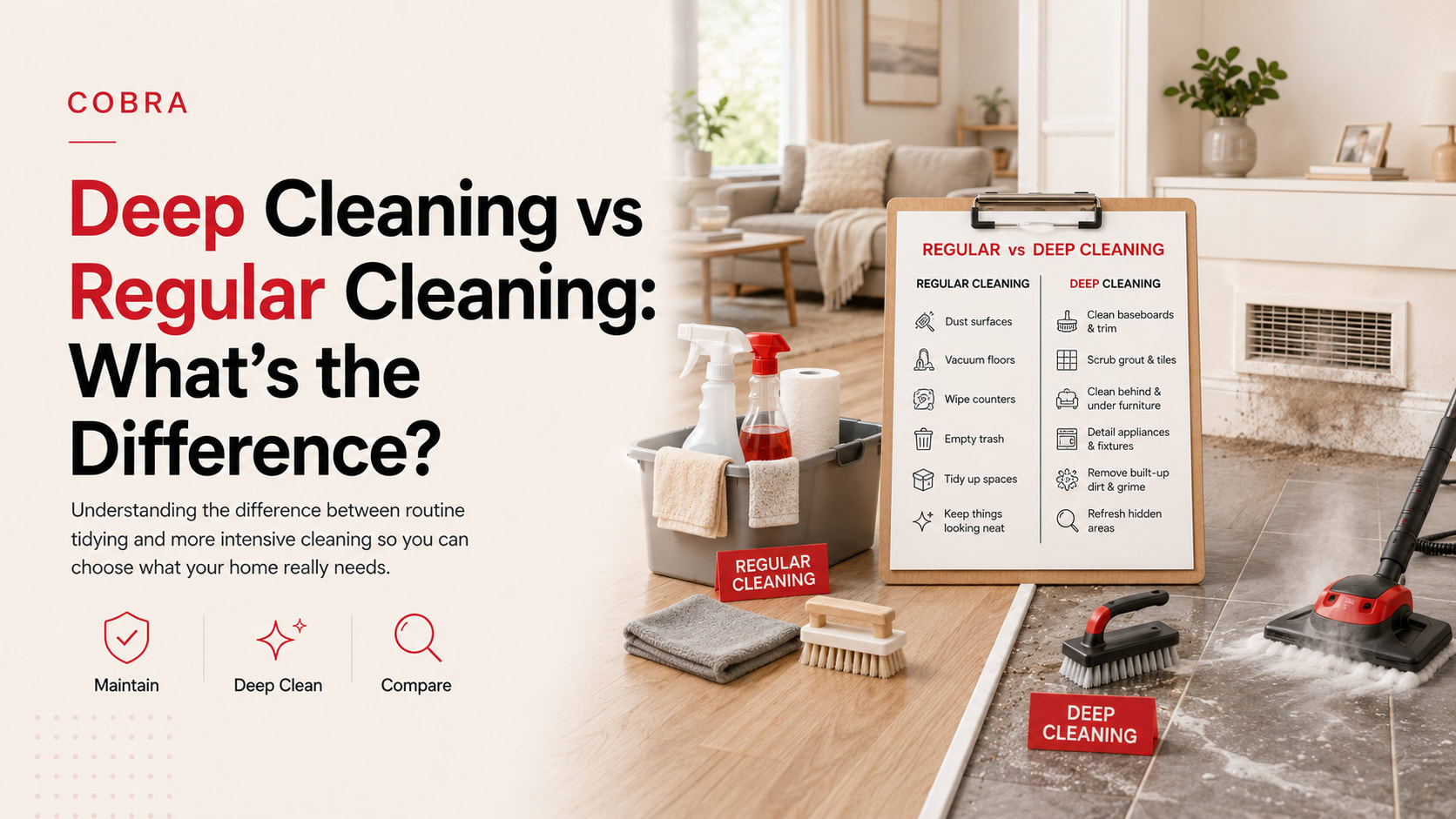
Regular cleaning covers the day-to-day or weekly tasks that keep spaces sanitary and presentable. Think of it as preventive maintenance: dusting, vacuuming, emptying trash, wiping surfaces, and cleaning restrooms. It’s the baseline for health and safety, and it’s essential for meeting basic standards in offices, schools, and shared residential spaces.
For a practical breakdown, see our Office Cleaning Checklist for a Healthier Workplace.
What Is Deep Cleaning?
Deep cleaning is a more intensive, less frequent process. It targets areas and issues that regular cleaning can’t address—think grout scrubbing, high dusting, HVAC vent cleaning, descaling fixtures, and sanitizing behind appliances. Deep cleaning is crucial for:
Turnovers (move-in/move-out)
Post-construction or renovation
Seasonal resets
Addressing outbreaks or compliance events
If you’re managing tenant transitions, check our Move-Out Cleaning Checklist for Tenants and Landlords and Move-In Cleaning Checklist for Homes and Apartments.
Key Differences: Deep Cleaning vs Regular Cleaning
Criteria Regular Cleaning Deep Cleaning Frequency Daily, weekly, or biweekly Quarterly, semi-annually, or as needed Scope Visible, high-traffic areas Hidden, hard-to-reach, or neglected spots Purpose Maintain cleanliness and hygiene Restore, sanitize, and prevent long-term issues Examples Vacuuming, mopping, trash removal Carpet shampooing, descaling, vent cleaning Compliance Meets day-to-day standards Addresses health, safety, and inspection requirements
Checklist: When to Schedule Deep Cleaning
After construction, renovation, or repairs (Post-Construction Cleaning: What Needs to Be Removed?)
Before new tenants move in or after move-out
Following illness outbreaks or pest infestations
Seasonal deep cleans (spring/fall)
Before annual inspections or audits
When regular cleaning isn’t resolving odors or buildup
Why the Difference Matters for Property Decision-Makers
Overlooking deep cleaning can lead to deferred maintenance, increased liability, and compliance risks—especially in shared spaces or regulated environments like HOAs, schools, and medical facilities. Mold, dust, and grime accumulate in places routine cleaning misses, potentially triggering health complaints or failed inspections. On the other hand, over-scheduling deep cleans wastes budget and disrupts operations.
For a practical approach to frequency, see How Often Should You Schedule Professional Cleaning?.
Vendor Accountability: The Cobra Prime Difference
Most property managers juggle multiple cleaning vendors, leading to accountability gaps, inconsistent standards, and scheduling headaches. Cobra Prime solves this by providing licensed and insured cleaning as part of a single-source, all-in-one property services approach. Our Assess → Plan → Execute → Monitor process means you get:
One point of contact for all cleaning and property needs
Custom cleaning scopes based on your property’s risk profile and compliance requirements
Consistent documentation and quality checks
Scalable operations for multiple sites, HOAs, or portfolios
For property managers in New Jersey, see our full cleaning services in NJ offering.
Budgeting and Planning: Avoid Surprises
Budgeting for cleaning is more predictable when you distinguish between regular and deep cleaning. Factor deep cleans into your annual plan—especially before inspections or after construction. Always request a detailed scope from your provider, and ensure they’re licensed and insured. For multi-property portfolios, standardize your checklists and schedules across sites for better control. The right partner will help you track what’s been done and what’s due.
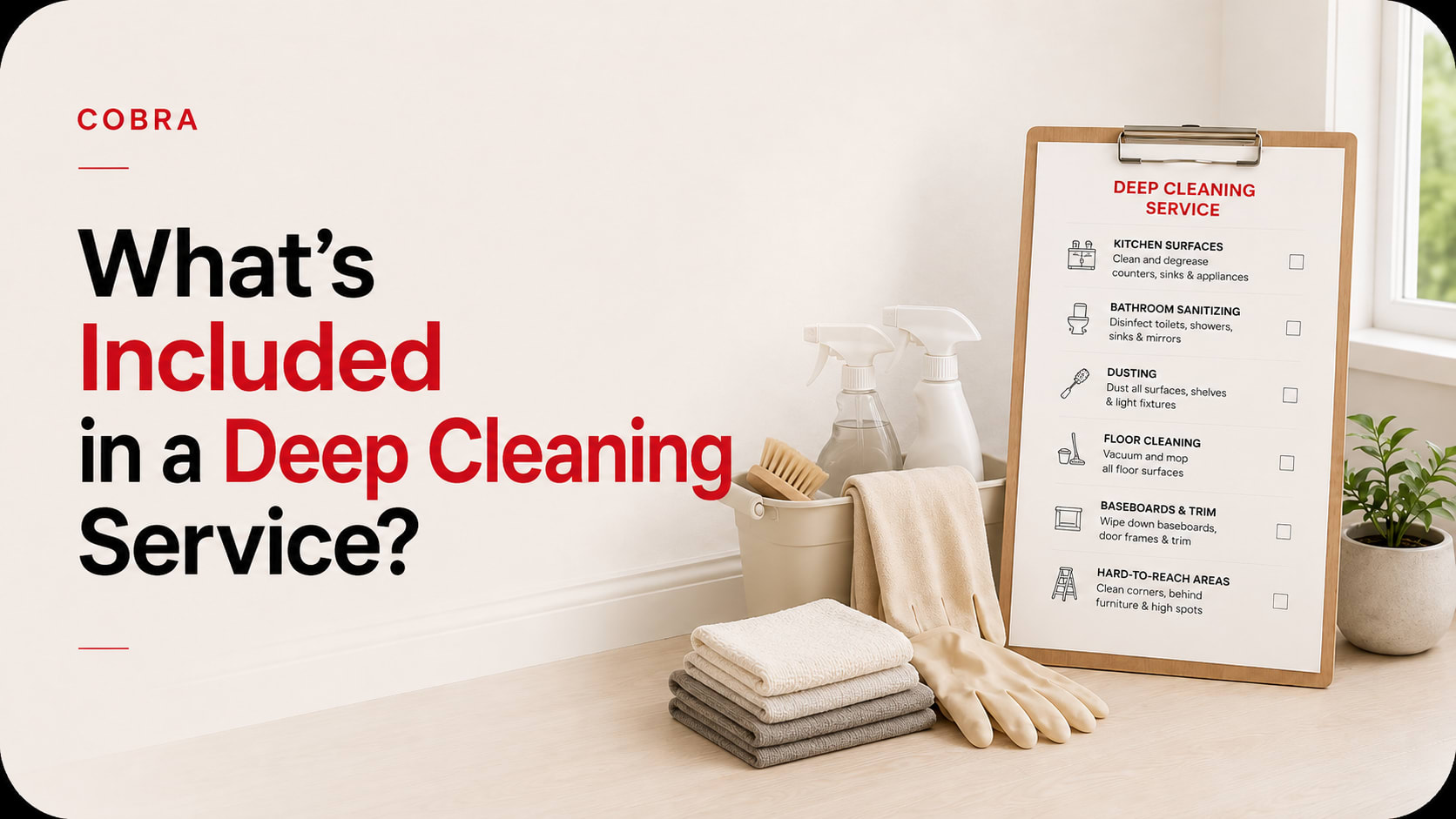
For the exact task list, see What's Included in Deep Cleaning Service.
Frequently Asked Questions
How do I know if my property needs deep cleaning?
Look for signs like persistent odors, visible grime, complaints about air quality, or upcoming inspections. If regular cleaning isn’t enough, it’s time for a deep clean.
Can regular cleaning staff handle deep cleaning tasks?
Typically, no. Deep cleaning requires specialized equipment, training, and sometimes additional insurance. It’s best to use a licensed provider with experience in your property type.
How often should deep cleaning be scheduled?
Most properties benefit from deep cleaning quarterly or semi-annually, but it depends on usage, occupancy, and risk factors. High-traffic or regulated environments may need more frequent deep cleans.
What’s the risk of skipping deep cleaning?
Skipping deep cleans can lead to health hazards, failed inspections, pest problems, and long-term damage that’s costly to fix. It also increases liability for property owners and managers.
Is there a checklist I can use for move-in or move-out cleaning?
Yes—see our Move-Out Cleaning Checklist for Tenants and Landlords and Move-In Cleaning Checklist for Homes and Apartments for detailed, actionable lists.
Take the Next Step
Don’t leave cleaning—and compliance—to chance. Schedule a consultation or request a quote from Cobra Prime to get a cleaning plan tailored to your property’s needs. With one accountable partner and a proven process, you’ll eliminate vendor headaches and keep your spaces safe, healthy, and inspection-ready.