Pressure Washing: A Practical Guide for Property Decision-Makers
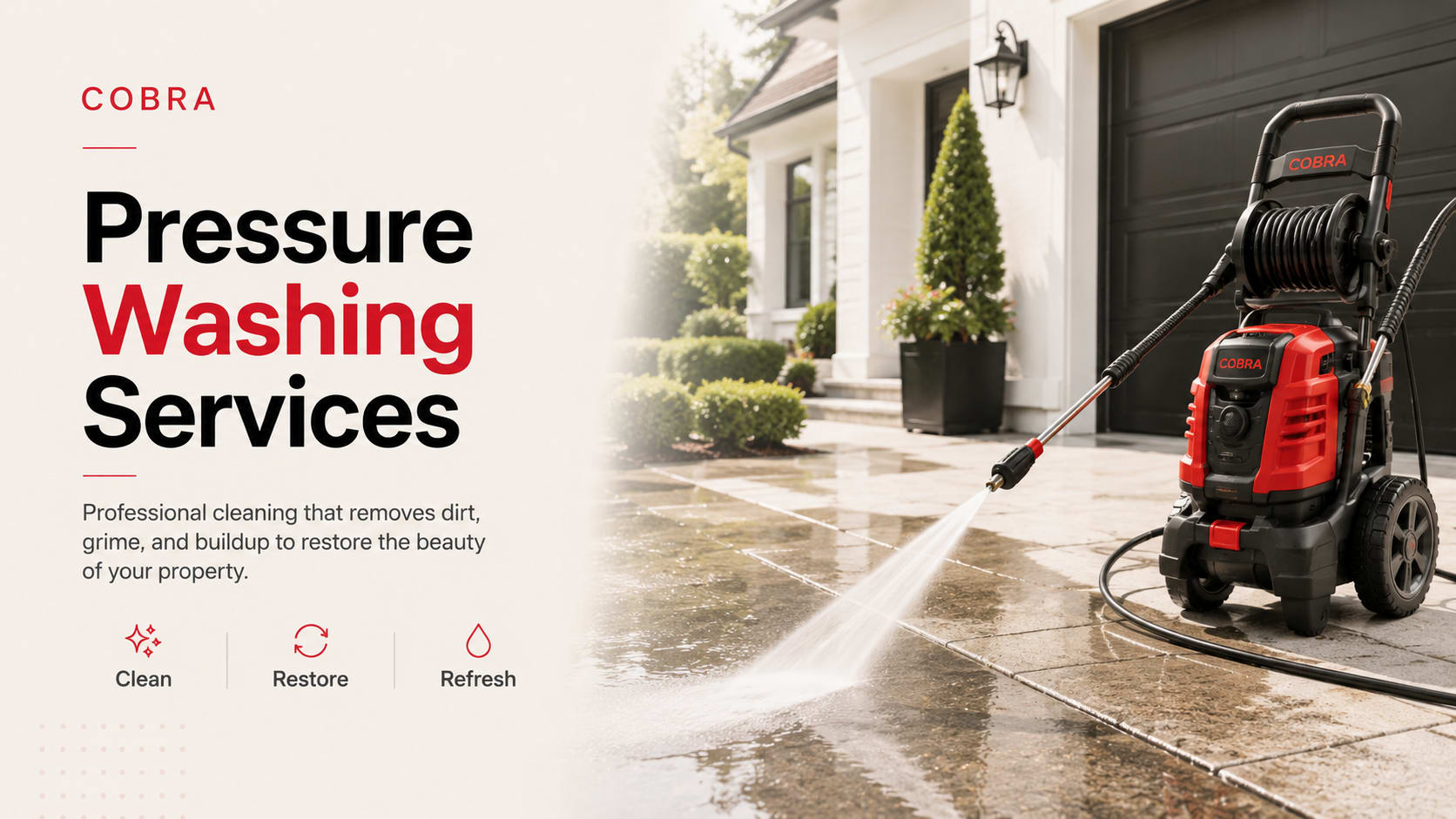
Pressure washing is more than curb appeal. For HOAs, property managers, and school or facility administrators, it’s a line of defense against costly repairs, liability, and complaints. But not all pressure washing is equal—how you scope, schedule, and oversee the work matters as much as the cleaning itself.
Why Pressure Washing Matters
Prevents damage: Regular cleaning removes mold, algae, and grime that degrade siding, walkways, and common areas.
Reduces liability: Slippery mildew and bird droppings are slip-and-fall hazards—common sources of claims against HOAs and property owners.
Supports compliance: Many communities have appearance standards and maintenance covenants. Deferred cleaning can trigger violations or fines.
Protects value: Clean exteriors and hardscapes boost property value and resident satisfaction.
Preventive vs. Reactive Pressure Washing
Preventive pressure washing is scheduled as part of your Outdoor Maintenance Checklist for Homeowners. This approach keeps surfaces in good condition, avoids buildup, and helps budget for maintenance. Reactive washing is a response to visible staining, complaints, or after an incident (graffiti, spills, etc.). Both have their place, but preventive is more cost-effective and less disruptive.
Risks of Deferred or Poorly Managed Pressure Washing
Surface damage: Incorrect pressure, detergents, or technique can etch concrete, strip paint, or force water behind siding.
Injury or liability: Untrained contractors can cause injuries or property damage. DIY attempts often void warranties or insurance coverage.
No-shows and scope creep: Unreliable vendors may miss windows for cleaning (especially before events or inspections), or upsell unnecessary work.
Vendor Vetting: What to Require
Licensed and insured: Confirm active credentials and coverage.
Experience with your property type: Multi-unit, commercial, or school sites have unique risks and access needs.
Clear scope and process: Ask for a site assessment, written plan, and defined deliverables—not just “power wash the front.”
References and reviews: Check recent projects, especially for similar properties.
Post-job inspection: Specify who inspects completed work and how issues are resolved.
How Often Should You Pressure Wash?
Frequency depends on climate, use, and local standards. Most properties benefit from annual or semi-annual cleaning. High-traffic areas (entryways, sidewalks, pool decks) may need more frequent attention. Tie pressure washing into your Seasonal Yard Cleanup: What to Do Each Season plan to stay ahead of issues.
Pressure Washing Checklist: Before, During, and After
StepWhat to CheckBefore- Walk property to identify priority areas
- Notify residents/tenants
- Secure windows, doors, and sensitive plants
- Confirm vendor insurance, licensing, and scopeDuring- Monitor for runoff, noise, and access issues
- Ensure safety signage and barriers
- Communicate with vendor leadAfter- Inspect all cleaned areas
- Document any damage or missed spots
- Get written sign-off from vendor
- Update maintenance records
Budgeting and Scheduling Tips
Bundle pressure washing with other outdoor maintenance services to minimize disruption and save on mobilization costs.
Schedule during low-traffic times and before major events or inspections.
For HOAs, communicate cleaning dates well in advance and clarify access instructions for private patios or balconies.
Request itemized quotes—scope and pricing should be tailored to your property’s needs.
The Cobra Prime Advantage
With Cobra Prime, you get a single, accountable partner for pressure washing and all your outdoor maintenance. Our licensed and insured teams follow a clear Assess → Plan → Execute → Monitor process, so you’re not left chasing multiple vendors or dealing with no-shows. We scale operations across portfolios—ideal for property managers and HOAs managing several sites.
Frequently Asked Questions
How do I know if my property needs pressure washing?
Look for visible dirt, algae, mildew, or staining on siding, sidewalks, and common areas. If you receive resident complaints or notice slippery surfaces, it’s time to schedule a cleaning. Annual inspections help you catch issues early.
Is pressure washing safe for all surfaces?
No. Soft washing may be required for delicate materials (wood, older stucco). A reputable provider will assess and recommend the right technique for each surface.
Can pressure washing help with compliance or inspection issues?
Yes. Many HOAs and municipalities cite exterior cleanliness in their standards. Proactive cleaning can prevent fines and support a positive inspection outcome.
What are signs of a reliable pressure washing provider?
Look for licensing, insurance, clear written scope, references for similar properties, and a defined inspection process. Consistent communication and on-time delivery are also key.
How should I prepare residents or tenants for scheduled pressure washing?
Notify them in advance, advise on securing windows and belongings, and provide access instructions if needed. Good communication avoids complaints and delays.
Take the Next Step
Pressure washing is a critical part of your property’s maintenance strategy—don’t leave it to chance. For tailored advice, a site assessment, or to request a quote, contact Cobra Prime. We’ll help you build a plan that protects your property, your residents, and your budget.