Access Control: The Foundation of Property Security
If you’re responsible for a property, HOA, school, or commercial building, access control isn’t optional—it’s a core part of risk management. The right system keeps residents, staff, and assets safe, while poor controls open the door to liability, theft, and compliance headaches. Here’s what you need to know and do, whether you’re upgrading a single entrance or managing multiple facilities.
What Is Access Control?
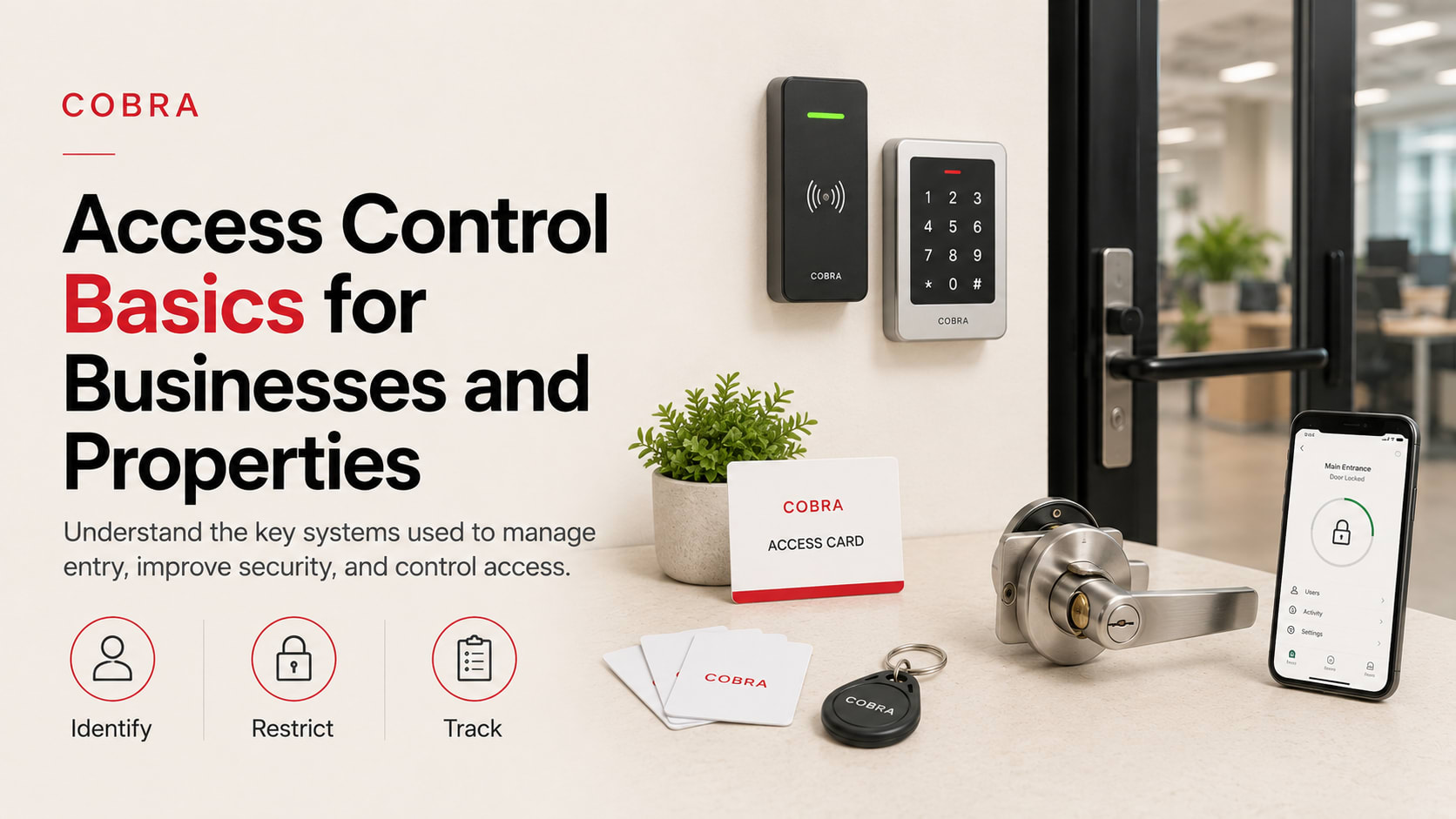
Access control means managing who gets in, where, and when. It covers everything from basic key systems to advanced electronic badges, gates, and biometric readers. Effective access control is more than hardware: it’s policies, procedures, and ongoing monitoring.
Why Access Control Matters: Key Outcomes
Reduce Unauthorized Entry: Limit access to only those who belong.
Protect People and Assets: Prevent theft, vandalism, and workplace violence.
Meet Regulatory Requirements: Stay compliant with codes and insurance policies.
Enable Quick Response: Know who’s on site in an emergency.
Lower Liability: Demonstrate due diligence if incidents occur.
Types of Access Control Systems
TypeWhere It’s UsedProsCons Physical KeysSmall buildings, low-traffic areasSimple, low costHard to track, easy to copy/lose Keypads/PINsOffices, storage, gatesNo physical key, easy to updatePINS can be shared or observed Card/Fob SystemsMulti-tenant, schools, HOAsTrackable, easy to revokeCards can be lost or shared Biometric (fingerprint, facial)High-security areasHard to forge, no keys/cardsPrivacy concerns, cost Remote/Cloud AccessMulti-site, modern buildingsFlexible, real-time controlRequires strong IT security
Access Control Checklist: What Every Property Needs
Inventory all entry points—doors, gates, garages, service entries.
List who needs access, when, and where.
Decide on system type (mechanical, electronic, hybrid).
Vet vendors for proper licensing, insurance, and references.
Integrate with alarms and cameras when possible.
Document policies for issuing, revoking, and auditing access.
Schedule regular reviews and system tests.
Train staff and update residents or users as needed.
For a more detailed evaluation, see this Security Risk Assessment Checklist for Property Owners.
Preventive vs. Reactive Access Control
Preventive access control means planning ahead—installing, maintaining, and monitoring your systems before problems arise. Reactive means scrambling after a breach or incident. The cost, liability, and stress of the latter are much higher. Schedule regular audits and keep access lists up to date, especially after staff turnover or resident move-outs.
Vendor Accountability: What to Look For
Licensed and insured providers—don’t risk non-compliance.
Clear process: Assess → Plan → Execute → Monitor. Avoid vendors who skip steps or can’t explain their approach.
Ability to scale across properties and service lines—one provider for access control, cameras, guards, and more.
References from similar properties (schools, HOAs, commercial sites).
Responsive support—ask about monitoring, maintenance, and emergency response.
If you operate in the region, Cobra Prime offers security services in NJ with integrated access control, monitoring, and guard solutions.
Common Risks and How to Address Them
Lost or Unreturned Keys/Fobs: Have a policy for immediate deactivation and rekeying if needed.
Propped Open Doors: Use alarms or auto-closing hardware; educate staff and residents.
Unmonitored Access Points: Pair access control with cameras and periodic physical patrols.
Outdated User Lists: Audit access lists quarterly—remove ex-employees, former residents, and contractors.
Compliance Gaps: Review local codes and insurance requirements annually.
For more on integrating cameras, see this practical guide to home security camera setup—many principles apply to commercial and community properties as well.
Integrating People and Technology
Technology alone isn’t enough. Your access control plan should combine systems with trained personnel. Professional security guards, for example, can monitor entry points, enforce policies, and respond to breaches. Understand what you’re getting: see Security Guard Duties: What Do Professional Guards Actually Do? for a breakdown of real responsibilities.
For commercial properties, it’s worth reviewing this overview of commercial security services to see how access control fits into a broader risk management plan.
Special Considerations: Construction Sites and Temporary Access
Sites under construction or renovation are especially vulnerable. Temporary workers, subcontractors, and delivery drivers often need access, but uncontrolled entry leads to theft and liability. Use temporary codes, track all visitors, and secure equipment after hours. For practical steps, see Construction Site Security Tips to Prevent Theft and Damage.
Assess → Plan → Execute → Monitor: The Cobra Prime Difference
Many property managers struggle with vendor coordination—one firm for access control, another for cameras, a third for guards, and so on. This leads to gaps, finger-pointing, and no clear accountability. Cobra Prime’s all-in-one approach means you get a single, licensed, and insured provider who handles assessment, planning, installation, and ongoing monitoring—across all your locations if needed. This saves time, reduces risk, and simplifies budgeting.
Frequently Asked Questions
How often should I audit my property’s access control system?
Audit your system at least once a year, or after any major staff or resident turnover. Quarterly reviews are best for high-traffic or high-risk properties.
What’s the best access control system for an HOA or community association?
Most HOAs use electronic fob or card systems for common areas, paired with cameras and periodic manual audits. Choose systems that are easy to update as residents change.
How do I handle access for contractors or temporary workers?
Issue time-limited codes or temporary badges, and always track who is on-site. Revoke access immediately after work is complete.
Can access control be integrated with other security measures?
Yes. Integrating access control with cameras, alarms, and on-site patrols provides layered security and improves incident response.
What’s the biggest mistake properties make with access control?
Failing to keep access lists updated and not monitoring all entry points. Both create preventable vulnerabilities and liability.
Next Steps: Get a Reliable Access Control Plan
If you want a security partner who understands property operations, compliance, and the real-world risks you face, request a quote or schedule a consultation with Cobra Prime. We’ll assess your site, recommend the right access control solution, and handle installation and monitoring—so you can focus on your community, not chasing down vendors.