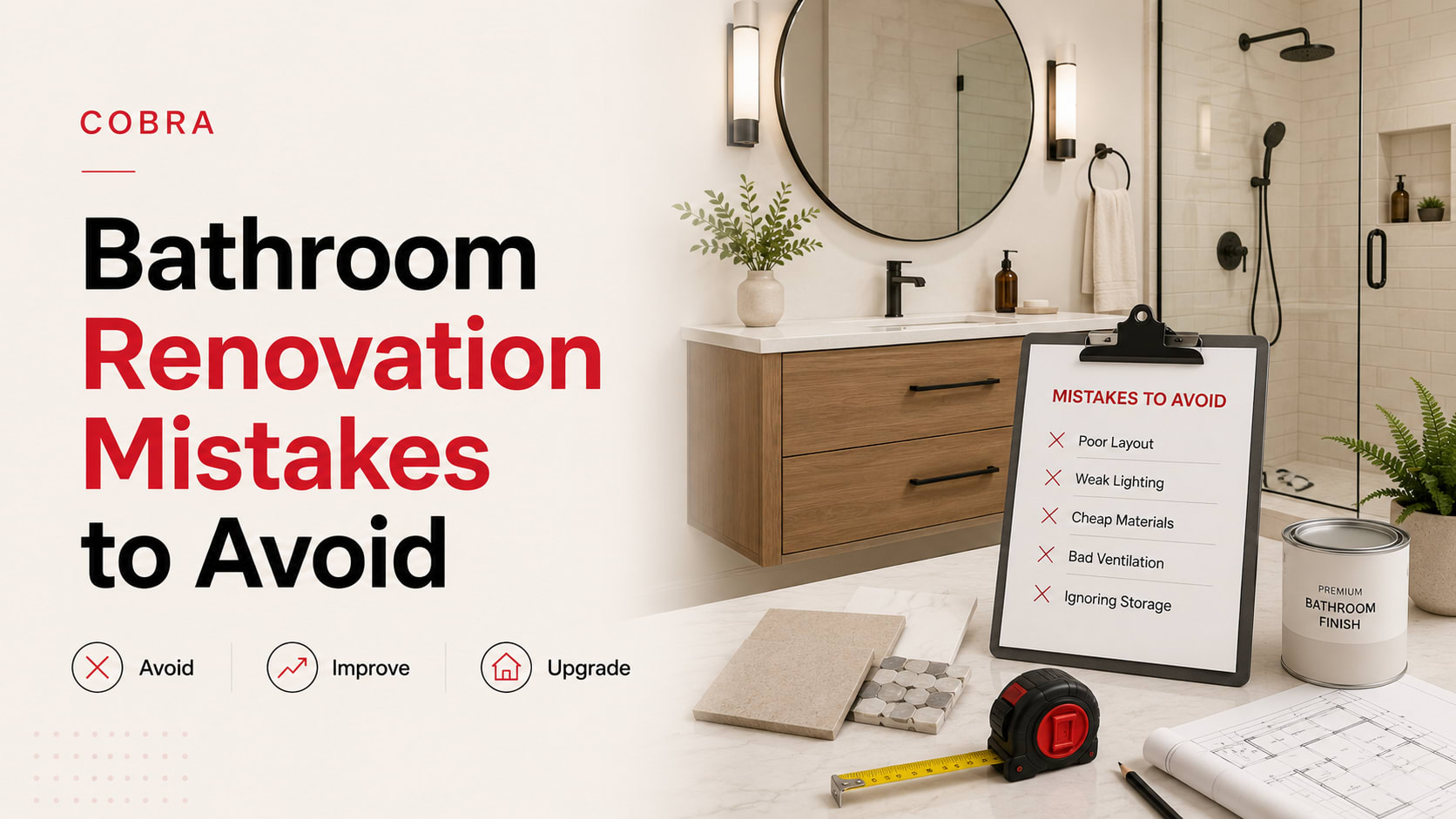
Lead With the Outcome: Prevent Bathroom Renovation Setbacks
Bathroom renovations can quickly spiral out of control—missed deadlines, compliance headaches, ballooning costs, and unreliable contractors. For HOAs, property managers, and school administrators, these mistakes aren’t just inconvenient—they can mean liability, resident complaints, and budget overruns. Below, you’ll find a practical breakdown of the most common bathroom renovation mistakes and how to avoid them, with checklists and proven processes you can use immediately.
Top Bathroom Renovation Mistakes (and How to Avoid Them)
Vague Scope and Missing Checklists: Skipping detailed planning leads to unclear expectations, change orders, and disputes. Start with a written, room-by-room checklist and a clear scope of work.
Poor Vendor Vetting: Hiring unlicensed or uninsured contractors exposes you to risk. Always verify licenses, insurance, and references before work begins.
Ignoring Compliance and Accessibility: Overlooking ADA requirements or local codes can result in failed inspections and costly rework.
Underestimating Downtime and Disruption: Not planning for noise, dust, or restroom access can disrupt residents, tenants, or school operations.
Budget Blind Spots: Failing to budget for contingencies, materials, or hidden damage leads to overruns. Don’t approve a project without a line-item budget and a contingency fund.
Skipping Preventive Maintenance: Renovations are the time to address underlying plumbing or ventilation issues—not just surface upgrades.
Poor Communication and Accountability: Multiple vendors and unclear points of contact create confusion and finger-pointing when issues arise.
Bathroom Renovation Checklist for Property Decision-Makers
Step What to Confirm Who’s Responsible Assess Site walk, code/ADA review, identify hidden issues Manager, licensed provider Plan Written scope, timeline, budget, access strategy Manager, vendor Execute Permits, daily oversight, communication plan Vendor, manager Monitor Inspections, punch list, warranty documentation Manager, vendor
For a comprehensive approach, see this home renovation checklist—it’s easily adapted for community, commercial, or school bathrooms.
Real-World Example: HOA Bathroom Renovation Gone Wrong
An HOA board approved a bathroom remodel in their clubhouse. They hired the lowest-bid contractor without verifying credentials. The result? Missed ADA grab bars, failed inspection, and a two-week delay. Residents were frustrated, and the board had to pay for a second round of work. Lesson: Always vet your vendors and confirm code compliance before approving any bid.
Budgeting and Cost Control: Avoid Surprises
Renovation budgets can unravel fast. Hidden water damage, outdated plumbing, or supply chain issues can all drive up costs. It’s essential to build in a contingency (typically 10–20%) and require transparent, line-item proposals. If you’re new to renovation budgeting, this guide on How to Budget for a Renovation Project breaks down the process step by step.
Compliance, Safety, and Liability: Non-Negotiables
Bathrooms are high-risk spaces—slip hazards, water intrusion, and code violations can all create liability for property owners and managers. Confirm that your contractor is licensed and insured. Schedule required inspections and document every step. If your property serves the public (schools, HOAs, commercial), ADA compliance is mandatory. Don’t rely on verbal assurances—get everything in writing.
Vendor Accountability: Why One Provider Makes Sense
Juggling multiple vendors for plumbing, tile, electrical, and finish work often leads to schedule gaps and finger-pointing when something goes wrong. With renovation and construction services from Cobra Prime, you get a single point of accountability, licensed and insured crews, and a structured Assess → Plan → Execute → Monitor process. This approach scales across multiple properties or units—ideal for HOAs, schools, and commercial portfolios.
Paint, Finishes, and Material Choices: Don’t Cut Corners
Bathrooms demand moisture-resistant materials and finishes. Using the wrong paint or substandard grout can lead to mold and early failure. Review this comparison of interior vs. exterior paint to ensure you’re specifying the right products for wet environments.
Preventive vs. Reactive Maintenance: Renovation as Opportunity
Renovation is the ideal time to address underlying issues—ventilation, plumbing, waterproofing—not just what’s visible. Don’t wait for leaks or mold to appear. Preventive upgrades now save on future emergency repairs and keep your property compliant and safe.
Comparing Bathroom and Kitchen Renovations
While bathrooms and kitchens share some renovation challenges, bathrooms often have more stringent code and moisture requirements. For a side-by-side process, see the Kitchen Renovation Checklist for Homeowners—many principles apply, but always tailor your approach to the specific risks of each space.
Frequently Asked Questions
What’s the biggest mistake property managers make during bathroom renovations?
The most common mistake is skipping detailed planning and vendor vetting. This leads to missed requirements, failed inspections, and cost overruns.
How do I ensure ADA and code compliance in a bathroom renovation?
Start with a site assessment, review local and federal codes, and require your contractor to submit compliance documentation. Schedule inspections before, during, and after the project.
How much contingency budget should I set aside?
While every property is different, a 10–20% contingency is standard for unforeseen issues. Review detailed line-item budgets and don’t approve vague proposals.
Can I use the same vendors for bathrooms and kitchens?
Yes, if they’re licensed, insured, and experienced with both spaces. However, bathrooms have unique moisture and code requirements—confirm your vendor’s expertise.
How do I minimize disruption to residents or tenants?
Communicate the schedule in advance, provide alternative restroom access if possible, and require your contractor to contain dust and debris. Daily progress updates help manage expectations.
Next Steps: Get Bathroom Renovation Right
Bathroom renovations demand careful planning, the right materials, and accountable execution. If you’re responsible for a property or community, the surest way to avoid costly mistakes is to partner with a licensed, all-in-one provider who manages every step and stands behind the work. Ready to prevent renovation headaches? Request a quote or schedule a consultation with Cobra Prime—and get your project started on solid ground.