Bathroom Remodeling Checklist: A Practical Guide for Property Decision-Makers
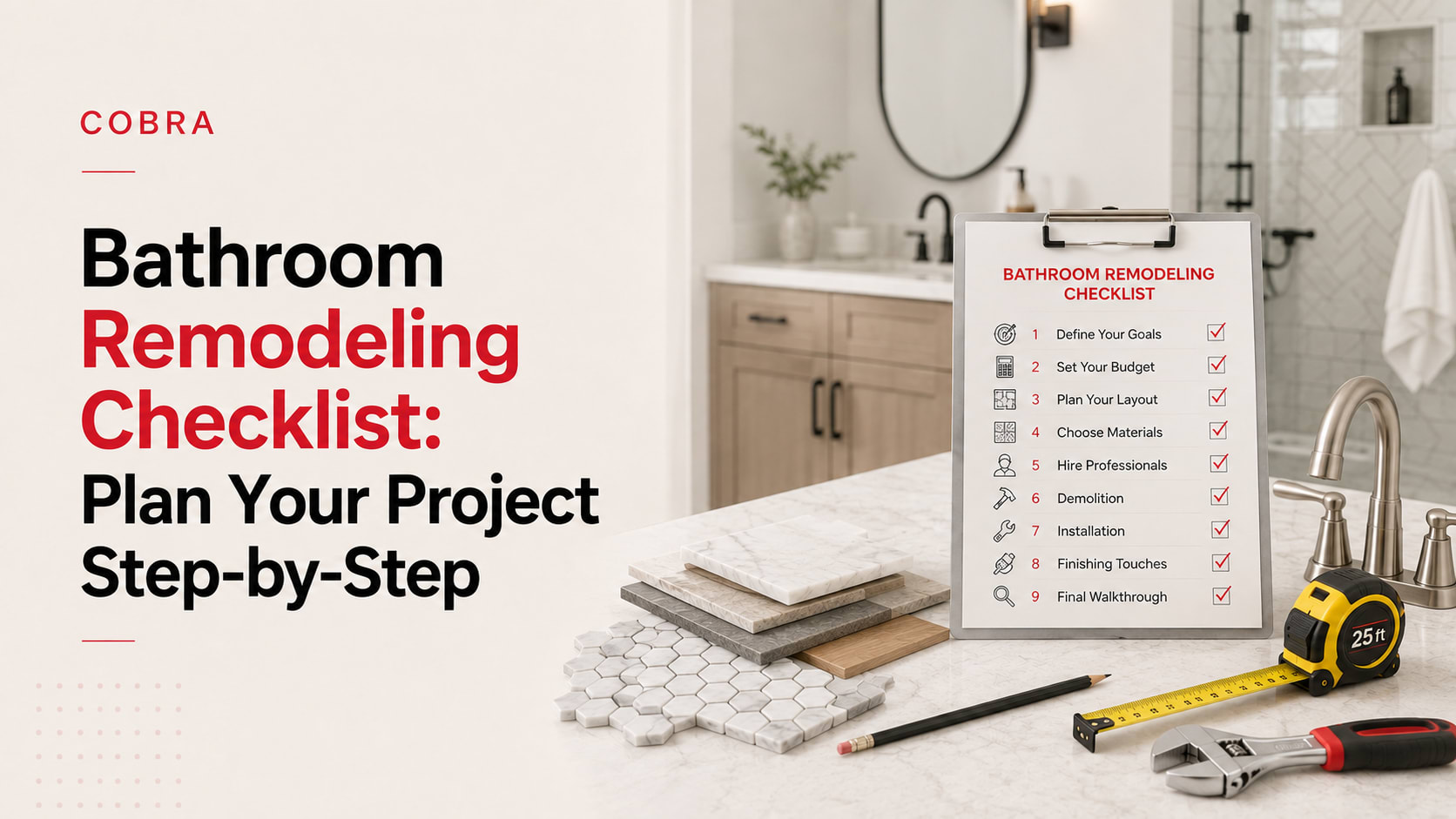
Bathroom remodels are high-impact projects with real risks: code compliance, water damage, downtime, and cost overruns. Whether you manage a residential community, commercial facility, or school, a step-by-step plan keeps your project on track, on budget, and safe for occupants. Use this checklist to scope, vet, and execute your bathroom renovation without headaches or surprises.
1. Define Project Scope and Goals
What are the drivers? (code compliance, aging fixtures, leaks, accessibility, aesthetics, tenant requests)
Which bathrooms? (specify locations, size, and usage patterns)
What is the expected outcome? (full gut, partial upgrade, ADA compliance, water-saving features)
Who are the stakeholders? (residents, facility users, board, maintenance team)
Document your objectives clearly. For example: "Upgrade three community clubhouse bathrooms for ADA compliance and water efficiency by Q4." This clarity prevents scope creep and sets the stage for accurate bids.
2. Assess Existing Conditions
Inspect plumbing, electrical, and ventilation (look for leaks, mold, outdated wiring, insufficient airflow)
Check for water damage beneath fixtures and behind walls
Review past maintenance logs for recurring issues
Photograph and document all deficiencies
Engage a licensed, insured property services company to perform a thorough assessment if your in-house team lacks expertise. Missed issues at this stage are the most common cause of budget overruns later.
3. Set Budget and Timeline
Estimate costs for demolition, materials, labor, and contingencies
Account for downtime—plan around peak usage periods
Factor in permits, inspections, and accessibility upgrades
Get multiple quotes from licensed contractors; beware of low-ball bids
Every property is unique. Pricing depends on size, finishes, and compliance needs. Always request a detailed, written quote. Cobra Solutions scopes every project to your property and goals—never generic pricing.
4. Select Materials and Fixtures
Choose commercial-grade, code-compliant products
Consider water-saving toilets, touchless faucets, and slip-resistant flooring
Confirm lead times and availability before demolition
Standardize across properties for easier future maintenance
In multi-property operations, standardizing fixtures reduces long-term maintenance headaches and speeds up repairs. Document all selected materials for warranty and future reference.
5. Vet and Select Contractors
Require proof of license, insurance, and references
Check for experience with similar projects and property types
Review contract terms: scope, timeline, payment schedule, penalties for delays
Assign one accountable provider for project management—avoid finger-pointing between trades
Many property managers get burned by no-show contractors or uncoordinated trades. Cobra Solutions delivers all-in-one accountability—one contract, one project manager, one number to call. Our Cobra Prime process covers assessment through post-completion monitoring, so nothing falls through the cracks.
6. Secure Permits and Schedule Work
Confirm local permit requirements (plumbing, electrical, ADA, fire safety)
Schedule inspections at required milestones
Communicate downtime and access restrictions to users in advance
Arrange for dust control, noise mitigation, and debris removal
Proactive communication prevents tenant complaints and liability claims. For debris and old fixture disposal, see What Is Junk Removal for best practices on safe, compliant hauling.
7. Execute and Monitor the Remodel
Hold kickoff meeting with all trades and stakeholders
Monitor progress daily—compare to plan and timeline
Document any change orders in writing
Inspect work at each phase (rough-in, waterproofing, final finishes)
Address punch-list items before final payment
Regular monitoring is the only way to catch issues before they become expensive rework. Cobra’s Assess → Plan → Execute → Monitor approach ensures nothing gets missed, and all work is fully documented for compliance and warranty purposes.
8. Final Inspection and Turnover
Schedule final inspection with local authorities
Verify all fixtures function, finishes are complete, and ADA requirements are met
Deep clean the space before reopening
Collect all warranties, manuals, and as-built documentation
For a professional handover, consider cleaning services in nj to ensure the remodeled bathroom is sanitary and ready for immediate use.
Bathroom Remodel Checklist Table
StepKey ActionsRisks if Skipped AssessInspect, document, photographHidden damage, cost overruns PlanScope, budget, select materialsDelays, scope creep ExecuteHire, schedule, monitorNo-shows, poor quality MonitorDaily checks, punch list, documentationCompliance failures, warranty issues
Real-World Tips
Schedule pressure washing of adjacent areas to keep dust and debris from tracking into common spaces. See Pressure Washing Services for options.
Coordinate with ongoing seasonal maintenance—if you’re already handling Storm Debris Cleanup, align schedules to minimize disruption.
If your project impacts fencing or exterior access, review Fence Repair vs Fence Replacement to make informed decisions.
Frequently Asked Questions
What permits are required for a bathroom remodel?
Permits typically cover plumbing, electrical, and sometimes structural or accessibility changes. Always check with your local code office before starting. A licensed provider will manage permits and inspections for you.
How can I minimize downtime during a bathroom remodel?
Stagger work across multiple bathrooms, schedule during low-usage periods, and communicate timelines to users. Pre-order all materials to avoid delays.
What’s the most common cause of cost overruns?
Unforeseen conditions—like hidden water damage or outdated wiring—drive up costs. A thorough initial assessment and contingency planning are essential.
Should I use one provider for all trades or hire separately?
Using a single accountable provider reduces finger-pointing, speeds up coordination, and simplifies billing. This is especially valuable for multi-property operations.
How do I ensure ADA compliance?
Work with contractors experienced in ADA upgrades. Review plans against current standards and schedule inspections at key milestones.
Ready to plan your bathroom remodel with less risk and more control? Request a quote or schedule a consultation with Cobra Solutions—your licensed, insured, all-in-one partner for property renovations, maintenance, and ongoing support. Learn more about our property services company approach and see how our process scales for HOAs, schools, and commercial properties.