Bathroom Renovation: Avoiding the Mistakes That Cost Time, Money, and Trust
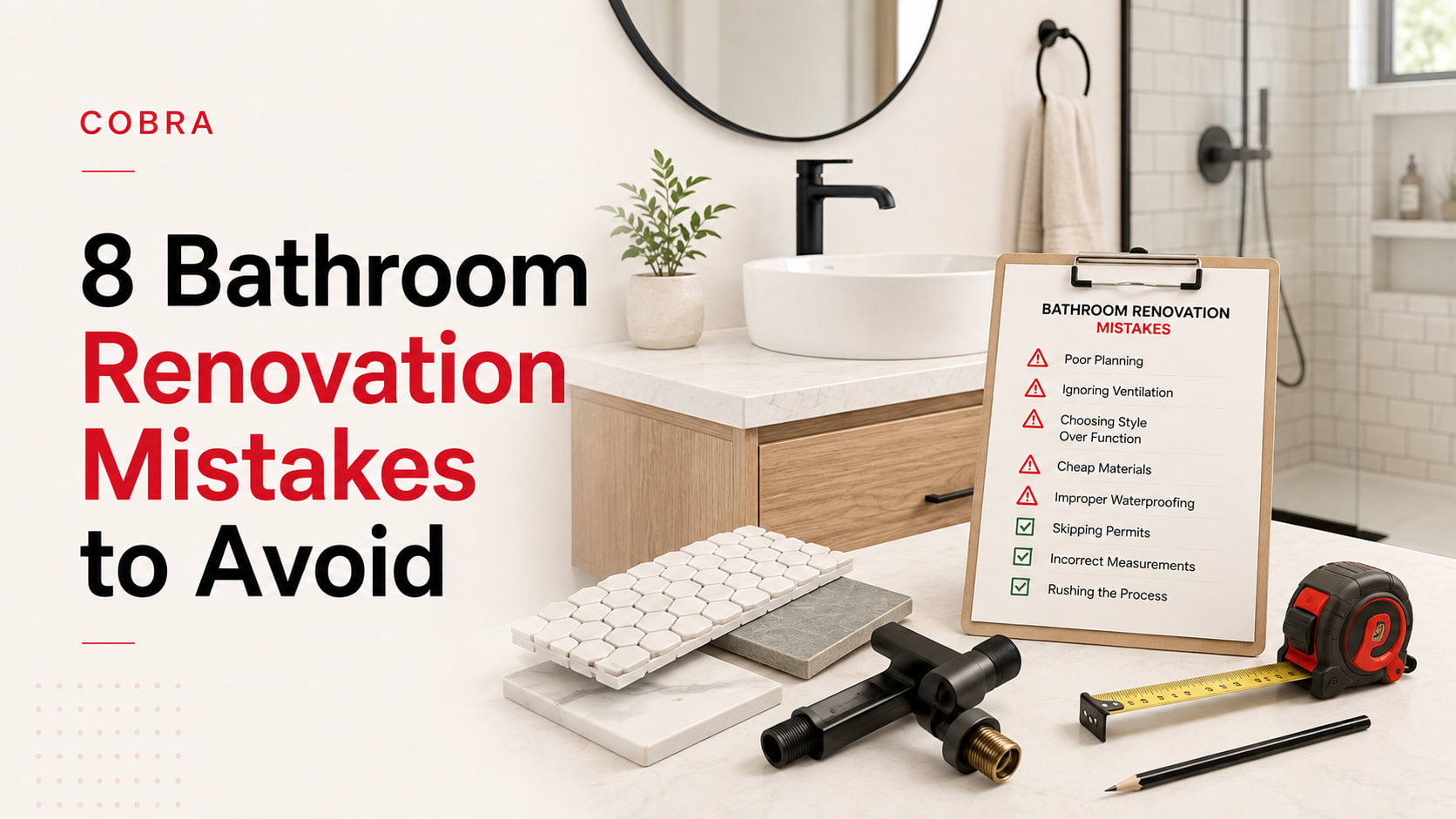
Bathroom renovations are high-stakes projects for property managers, HOAs, and facility leaders. The risks go beyond blown budgets—think compliance issues, liability, water damage, and frustrated residents or tenants. Here are the eight most common mistakes to avoid, with practical checklists and real-world advice you can use to keep your renovation on track and your reputation intact.
1. Skipping a Detailed Assessment Upfront
Renovation issues are almost always tied to a weak start. Before you approve any demolition, get a thorough assessment of the bathroom’s current condition—plumbing, electrical, ventilation, ADA compliance, and any signs of hidden water damage. Don’t rely on a contractor’s “quick look.” Use a checklist, document everything, and compare findings against your building’s maintenance history.
For outdoor areas, a similar approach applies. Reference your Outdoor Maintenance Checklist to see how preventive reviews can save future headaches indoors as well.
2. Underestimating Project Scope and Budget
It’s easy to focus on finishes and forget the costly surprises behind the walls. Always budget for contingencies—especially in older properties where plumbing and electrical may not meet current code. Get detailed quotes, not ballpark figures, and clarify what’s included (permits, disposal, post-renovation cleaning).
For junk removal, don’t let demo debris pile up. Professional junk removal services in NJ can be scoped into your project plan to keep the site safe and compliant.
3. Choosing Unlicensed or Unvetted Contractors
Vendor reliability is a major risk. Using unlicensed or uninsured contractors exposes you to liability, failed inspections, and scheduling headaches. Always verify licenses, insurance, and references. For multi-unit or community properties, one accountable provider simplifies oversight and reduces finger-pointing if issues arise.
Cobra Solutions is a licensed and insured all-in-one provider—so you’re not left juggling accountability if something goes wrong.
4. Overlooking Compliance and Accessibility
Bathrooms are compliance hotspots. ADA accessibility, anti-scald devices, ventilation, and water-saving fixtures aren’t just nice-to-haves—they’re often required by code. Missing these details can lead to failed inspections or even legal action. Always review local codes and HOA or facility requirements before finalizing plans.
5. Failing to Plan for Disruption and Access Control
Bathroom renovations impact daily operations. For schools, multi-family buildings, or facilities with shared spaces, communicate clearly about timelines, noise, and alternative facilities. Control access to work zones to prevent accidents or theft. Document all communications with residents, staff, or tenants.
Post-renovation, schedule a thorough cleaning. Learn why Post Construction Cleaning is critical for safety and satisfaction.
6. Ignoring Preventive Maintenance Opportunities
Renovations are the ideal time to address underlying maintenance issues—leaky pipes, poor ventilation, or failing grout. Don’t just cover up problems; fix them while access is easy. Preventive work now avoids costly emergency repairs later.
For a broader view on preventive vs. reactive maintenance, see how seasonal tasks like Seasonal Yard Cleanup help maintain property value and safety.
7. Neglecting Post-Renovation Inspection and Documentation
Never sign off on a renovation without a detailed inspection. Use a punch list to confirm all work meets scope, quality, and compliance standards. Document everything—photos, permits, warranties, and contractor sign-offs. This protects you if issues emerge months later.
8. Overlooking Exterior Impacts and Site Restoration
Renovations often spill outside: dumpsters, material storage, and contractor traffic can damage landscaping or common areas. Plan for site protection and restoration. Schedule outdoor maintenance to repair any damage and restore curb appeal.
Integrate outdoor maintenance services into your renovation plan to avoid resident complaints or HOA violations.
Quick Comparison: DIY Coordination vs. All-in-One Provider
CriteriaMultiple ContractorsAll-in-One Provider AccountabilityFragmented, risk of blame-shiftingSingle point of contact ComplianceMust verify each vendorLicensed, insured, documented SchedulingComplex, prone to delaysCoordinated, fewer delays Cost ControlHidden fees, change ordersTransparent, scoped pricing Ongoing SupportUnlikelyMonitor & maintain post-renovation
Checklist: Bathroom Renovation Done Right
Assess: Inspect plumbing, electrical, ventilation, and compliance needs
Plan: Scope work, set budget, clarify roles, communicate disruption
Execute: Use licensed, accountable vendors; manage debris and site safety
Monitor: Inspect, document, and maintain post-renovation
Frequently Asked Questions
What’s the biggest risk in bathroom renovations for multi-unit properties?
Poor coordination and unvetted contractors. Inconsistent work leads to code violations, resident complaints, and costly rework. Centralized oversight and a single accountable provider reduce these risks.
How can I control costs on a bathroom renovation?
Start with a detailed assessment and scope. Get written quotes, include contingencies, and clarify what’s included (permits, debris removal, cleaning). Avoid change orders by finalizing plans before work begins. Pricing should always be scoped to your property’s specifics—request a quote for accuracy.
What about debris and post-renovation cleanup?
Renovations generate a lot of waste. Schedule professional junk removal and cleaning services as part of your renovation plan. For ongoing curb appeal, see Lawn Care Basics for tips on maintaining outdoor areas post-project.
How do I ensure ADA and code compliance?
Review local codes before starting, and use licensed professionals who are up to date on compliance requirements. Document all inspections and approvals for your records.
Can Cobra Solutions handle multi-property or phased renovations?
Yes. Cobra’s Assess → Plan → Execute → Monitor process is designed for scalability—whether you’re managing a single facility or multiple properties. All work is licensed, insured, and coordinated through one accountable provider.
Get Bathroom Renovation Right—Request a Quote
Don’t risk costly mistakes, compliance headaches, or resident frustration. Whether you’re planning a single bathroom update or a large-scale renovation, Cobra Solutions delivers licensed, accountable work from assessment through completion. Request a quote or schedule a consultation to discuss your project and see how our all-in-one approach can make your next renovation smoother and safer.