5 Signs You Need Drywall Repair: What Every Property Decision-Maker Should Know
Drywall issues are easy to ignore—until they trigger bigger headaches: tenant complaints, failed inspections, or even liability claims. Whether you manage a school, HOA, or commercial facility, knowing when to act on drywall repairs saves you money, time, and reputation. Here’s how to spot the five most common warning signs and what to do next.
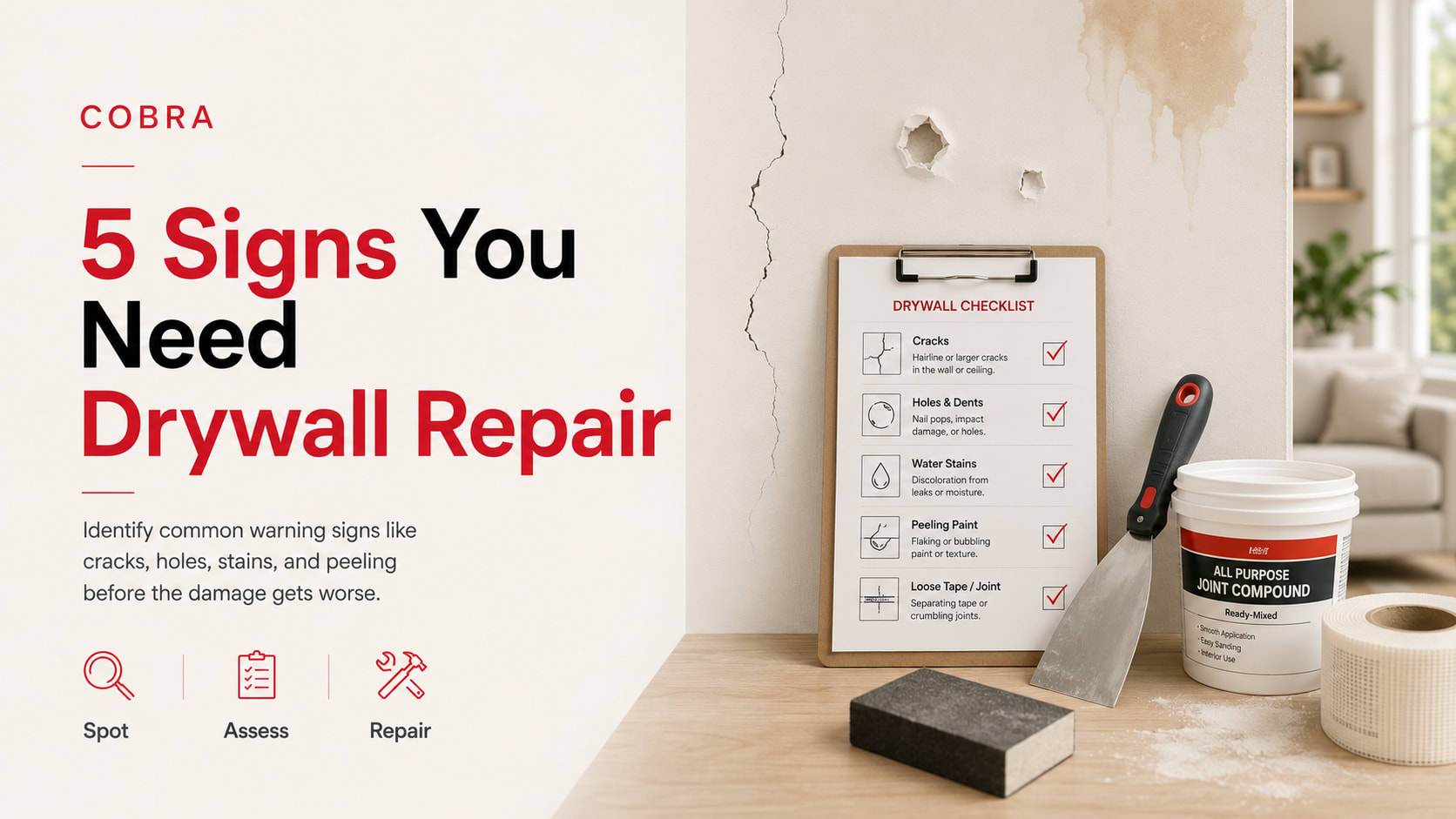
1. Cracks and Splits—Don’t Assume It’s Just Settling
Hairline cracks around door frames, windows, or ceilings often mean more than cosmetic aging. They can signal structural shifts, moisture problems, or poor installation. Left unchecked, cracks widen, let in pests, and compromise fire ratings—especially in multi-unit or high-traffic buildings.
Vertical or horizontal cracks wider than 1/8 inch require prompt inspection.
Stair-step cracks along seams may point to foundation or framing issues.
Repeated repairs in the same spot are a red flag for underlying movement or moisture.
For a broader look at what to prioritize in your maintenance schedule, see Common Home Repairs.
2. Stains, Discoloration, or Bubbling—Moisture Is Your Enemy
Yellow, brown, or gray stains on drywall almost always mean water intrusion. Bubbling or peeling paint is another giveaway. Moisture not only weakens walls but also creates a breeding ground for mold—an expensive, compliance-triggering problem in schools and community spaces.
Trace stains to their source: roof leaks, HVAC condensation, or plumbing failures.
Check for musty odors or soft spots—these often signal hidden mold.
Don’t just paint over stains; address the cause and repair the drywall properly.
Pair drywall inspection with routine cleaning services in nj to spot and prevent these issues early.
3. Holes, Dents, or Punctures—From Accidents to Vandalism
Whether it’s a doorknob collision, moving mishap, or intentional damage, holes and dents in drywall are more than an eyesore. In high-traffic areas—like school corridors or common rooms—unrepaired damage can escalate quickly, inviting further abuse and undermining safety.
Any hole larger than a quarter needs professional patching, not just spackle.
Reinforce corners and high-impact zones with protective trim or guards after repair.
Integrate drywall checks into your preventive maintenance walks. For guidance on scheduling and planning, review How to Plan a Home Improvement Project.
4. Sagging, Warping, or Bulging—Structural and Safety Red Flags
Sagging or warped drywall panels suggest water damage, framing issues, or improper installation. Bulges may indicate hidden leaks or insulation problems. These defects are especially risky in ceilings, where collapse is a real hazard. Delaying repairs can expose your organization to liability and insurance complications.
Inspect ceiling drywall after any major leak or HVAC failure.
Check for unevenness along seams or tape joints—these may need reinforcement, not just patching.
If your property is exposed to the elements, coordinate with outdoor maintenance services to prevent water ingress before it starts.
5. Visible Mold or Mildew—A Compliance and Health Issue
Black, green, or fuzzy spots on drywall are a major red flag—especially in schools and common areas. Mold remediation is costly and regulated; ignoring it can lead to citations, lawsuits, and tenant turnover.
Isolate affected areas and schedule a professional assessment immediately.
Replace—not just clean—drywall with visible or persistent mold.
Document repairs for compliance and insurance records.
For properties with security concerns or access issues during repairs, review Commercial Security Services to coordinate safe, compliant access during work hours.
Checklist: Drywall Repair—When to Act
Issue Immediate Action Who Should Assess Cracks >1/8" or recurring Schedule inspection Licensed contractor Stains/discoloration Trace leak, dry area, inspect for mold Maintenance + remediation specialist Holes/dents >quarter size Patch and reinforce Handyman or drywall pro Sagging/warping Check for leaks, structural review Licensed contractor Visible mold Isolate, professional remediation Mold/remediation certified
Preventive vs. Reactive: Why Timely Drywall Repair Matters
Deferred drywall repairs rarely stay small. What starts as a minor crack or stain can balloon into major remediation, lost rent, or failed inspections. For HOAs and property managers, proactive repair isn’t just about aesthetics—it’s about reducing liability, controlling costs, and keeping your property compliant. A single, licensed provider with a transparent Assess → Plan → Execute → Monitor process ensures nothing falls through the cracks—literally or figuratively.
For a deeper dive into vendor vetting and site security during repairs, check out Security Guard Services.
How Cobra Solutions Simplifies Drywall Repair
Coordinating drywall repairs shouldn’t mean juggling multiple vendors or chasing down no-shows. With Cobra Prime, you get a single, licensed and insured provider who handles assessment, planning, execution, and ongoing monitoring—across all your properties. Our teams are trained to spot code issues, document repairs for compliance, and coordinate with your security and cleaning teams to minimize disruption.
Frequently Asked Questions
How often should I inspect drywall in common areas?
Schedule visual inspections quarterly for high-traffic or high-risk areas (like lobbies, hallways, and classrooms). After any leak, impact incident, or tenant turnover, inspect immediately.
Can I just patch cracks and holes myself?
Small nail holes or minor scuffs can be handled in-house. But cracks wider than 1/8 inch, recurring damage, or any area with moisture or mold history should be handled by a licensed professional to ensure compliance and durability.
What’s the risk if I delay drywall repairs?
Delaying repairs can lead to mold growth, pest infestations, structural issues, increased repair costs, and even failed inspections or liability claims—especially in regulated environments like schools and HOAs.
How do I budget for drywall repairs across multiple properties?
Include a line item for preventive maintenance in your annual budget and schedule regular property assessments. Working with an all-in-one provider like Cobra Solutions streamlines scoping and cost control.
Does Cobra Solutions handle both drywall repair and related cleaning or security needs?
Yes. We coordinate drywall repair with cleaning services in nj and security access as needed, so you don’t have to manage multiple contractors or schedules.
Next Steps: Schedule a Drywall Assessment
If you’ve spotted any of these five signs, don’t wait for a small issue to become a major repair. Request a quote or schedule a consultation with Cobra Solutions today. Our licensed teams assess your property, create a plan, and execute repairs with full accountability—so you can focus on managing your community, not chasing vendors.