Start Smart: Key Decisions Before Assembling Furniture
Furniture assembly looks simple—until you’re knee-deep in parts, missing a tool, or facing a warranty voided by a wrong move. Whether you manage an HOA clubhouse, school, or commercial space, the stakes are higher: safety, liability, and timelines matter. Before you open a single box, here’s what to check, what to plan, and how to avoid common pitfalls.
Checklist: What to Do Before Assembly Begins
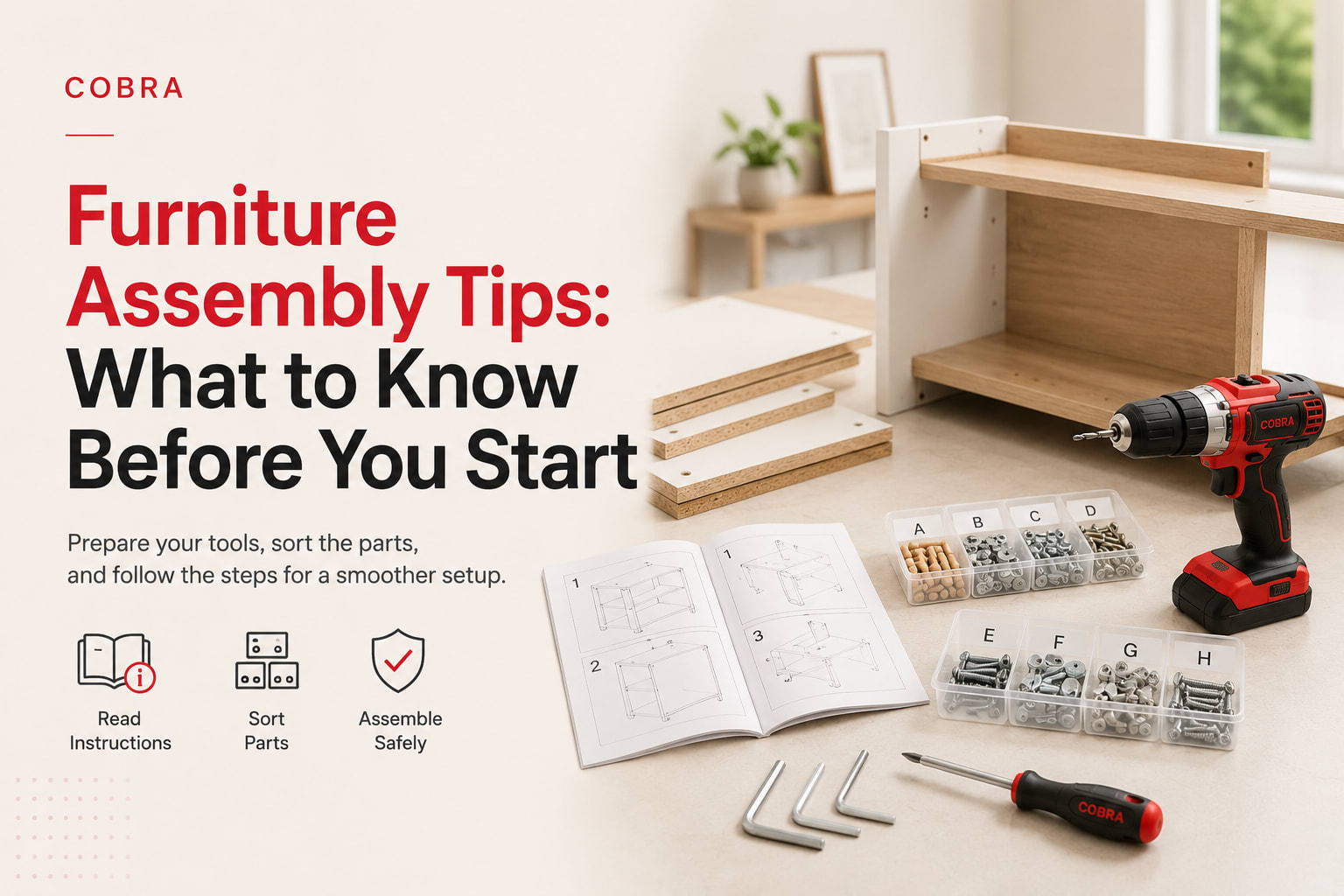
Inventory everything: Open all boxes and confirm you have every part, fastener, and tool listed in the manual. Report missing or damaged items to the supplier immediately—don’t start until you have replacements.
Review instructions: Read the manual start to finish. Look for warnings about special tools, wall mounting, or steps that affect warranty or safety compliance.
Assess the space: Measure doorways, elevators, and the final location. Make sure the assembled piece fits and can be moved safely.
Plan for safety and compliance: For schools and public spaces, check for tip-over risks, fire code clearance, and ADA pathways. Secure heavy furniture to walls as required.
Schedule access and downtime: Coordinate with building users to minimize disruption. For multi-unit properties, notify residents or staff of noise and hallway use.
Vet your team or vendor: If you’re using outside help, confirm they’re licensed and insured. Check references and ask about similar projects in comparable settings.
Who Should Assemble? In-House, Volunteer, or Professional
Deciding who handles assembly isn’t just about cost. Consider these factors:
Criteria In-House/Volunteer Professional Service Skill & Tools May lack experience or specialty equipment Trained, equipped, used to commercial-grade furniture Liability Risk of injury or damage, unclear accountability Licensed and insured, clear responsibility Warranty Manufacturer may void if not professionally assembled Can provide proof of professional assembly Efficiency Slower, more disruption to operations Faster, less downtime Compliance May miss code or safety requirements Knows ADA, fire, and tip-over standards
Preventive vs. Reactive: Why Planning Pays Off
Deferred assembly or rushed jobs can lead to safety hazards, code violations, or costly rework. Proactive planning—inventory, inspection, and proper installation—prevents these headaches. If you’re managing multiple properties or common areas, standardize your assembly and inspection process. Document every step and keep records for warranty and liability protection.
Common Furniture Assembly Risks (and How to Avoid Them)
Missing anchoring: Skipping wall anchors for shelving or cabinets is a top liability risk, especially in schools and public areas.
Improper load rating: Using residential-grade furniture in high-traffic or commercial spaces leads to premature failure.
Blocked egress: Assembled pieces must not obstruct fire exits or ADA pathways—review local code before final placement.
Poor fastener torque: Under- or over-tightening bolts can cause collapse or strip hardware, voiding warranty and risking injury.
Vendor Accountability: What to Require
Proof of license and insurance
Written scope of work and timeline
References from similar property types (schools, HOAs, etc.)
Clear process for punch lists and warranty claims
For a deeper dive into vetting and managing vendors, see the Handyman Services Checklist for Homeowners.
Scaling Assembly Across Multiple Properties
If you’re responsible for several locations or units, standardize your approach. Use a single, accountable provider who can scope, schedule, and document work across sites. Cobra Prime’s Assess → Plan → Execute → Monitor process ensures you only have to make one call—and you get consistent, licensed, and insured results every time.
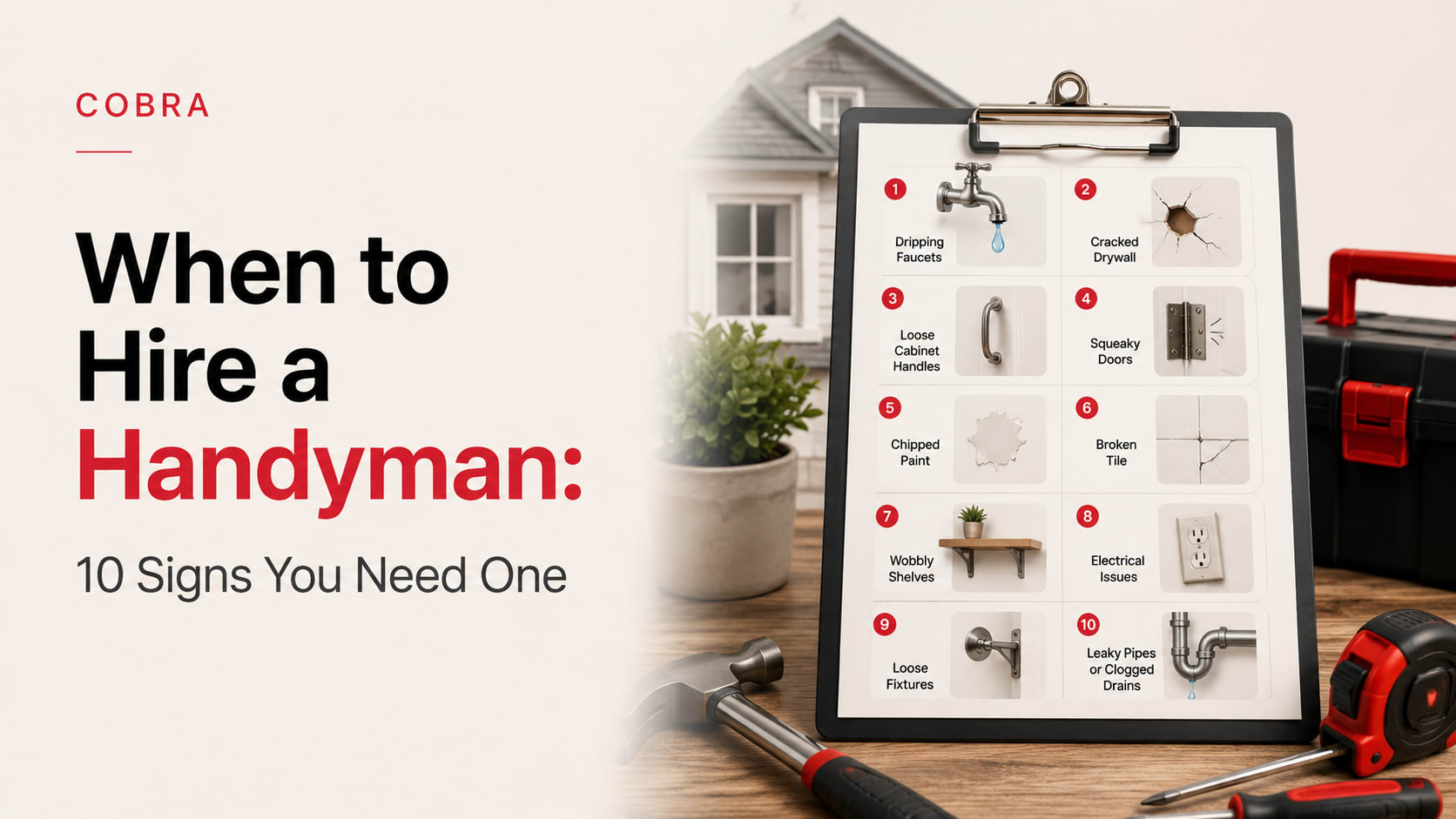
To see how professional help can reduce risk and improve efficiency, review when to hire a handyman for your next project.
Budgeting and Cost Control
Furniture assembly costs depend on item complexity, location, and compliance needs. Avoid scope creep by insisting on a written quote based on an on-site assessment. For bundled projects (multiple rooms or properties), ask about volume pricing and project management support. If you’re in New Jersey, Cobra Prime provides handyman services in NJ tailored to HOA, school, and commercial needs—always licensed and insured, with one point of accountability.
Frequently Asked Questions
What tools do I need for furniture assembly?
Most flat-pack furniture requires screwdrivers, a hammer, and an Allen wrench (often provided). For larger or commercial pieces, you may need power tools, a level, or wall anchors. Always check the manual before starting.
How do I avoid damaging floors or walls during assembly?
Work on a drop cloth or cardboard, and assemble furniture in its final location when possible. Use proper anchoring for wall-mounted items and avoid dragging assembled pieces.
Are there special rules for assembling furniture in schools or public spaces?
Yes. You must follow local fire code, ADA accessibility, and often need to anchor heavy items to prevent tip-overs. Documentation of professional assembly may be required for insurance or inspections.
What if parts are missing or damaged?
Do not start assembly. Contact the supplier immediately for replacements. Document the issue with photos and keep all correspondence for warranty purposes.
How do I choose a reliable assembly service?
Require proof of license and insurance, written scope, and references. Look for providers experienced with your property type and who offer clear communication and documentation.
Take the Next Step
Don’t let furniture assembly become a liability or a time sink. Schedule a consultation or request a quote from Cobra Prime to get licensed, accountable, all-in-one service—so you can focus on running your property, not chasing vendors.