Deciding When to Repaint: What Every Property Manager Needs to Know
Repainting isn’t just about curb appeal. For any property—whether you manage homes, HOAs, schools, or commercial buildings—timely painting prevents costly repairs, reduces liability, and keeps your asset compliant. But how often should you actually repaint, and what factors determine the right schedule?
Standard Repainting Timelines
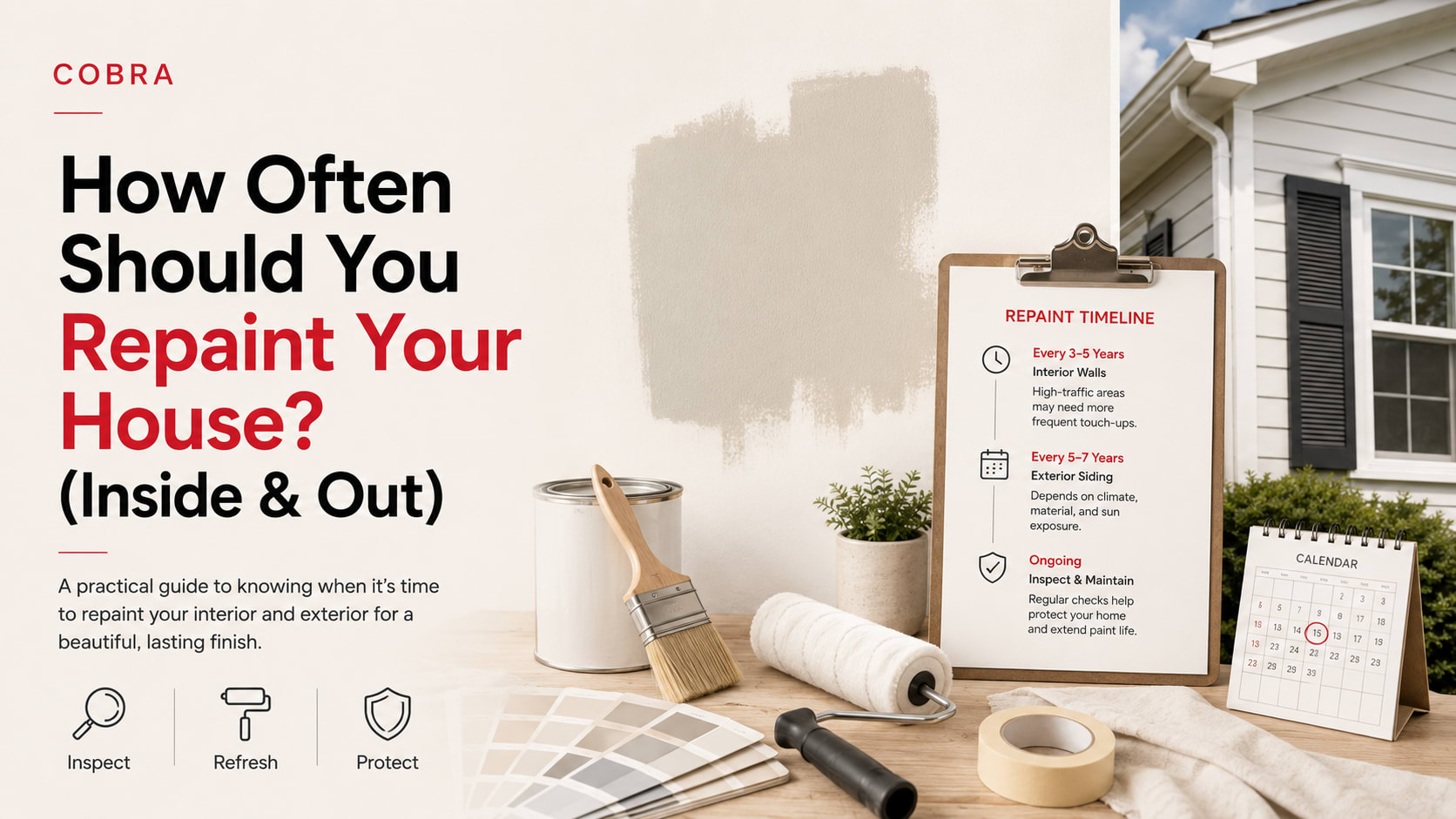
AreaRecommended IntervalKey Factors Exterior (Wood Siding)3–7 yearsClimate, sun exposure, prep quality Exterior (Stucco)5–10 yearsMoisture, cracks, color Exterior (Brick)10–15 years (if painted)Porosity, weather Interior Walls5–7 yearsTraffic, use (kitchens, hallways = more often) Trim/Doors2–4 yearsWear, cleaning chemicals
These are guidelines—your actual repainting needs depend on exposure, occupancy, and maintenance history. High-traffic areas or buildings exposed to harsh weather will need more frequent attention.
Preventive vs. Reactive Maintenance: Why Timing Matters
Waiting until paint is visibly peeling or cracking is a false economy. Deferred repainting exposes your property to water intrusion, rot, mold, and more expensive repairs. Proactive repainting, scheduled as part of your preventive maintenance plan, protects both structure and reputation.
For HOAs and community managers, regular painting also ensures compliance with appearance standards and reduces disputes. School and facility administrators avoid unsightly, unsafe conditions that can trigger complaints or even liability claims.
Inspection Checklist: Signs It’s Time to Repaint
Peeling, blistering, or cracking paint
Faded or chalky color (especially on exteriors)
Visible mildew, mold, or water stains
Exposed wood or rusting metal
Frequent cleaning no longer restores appearance
Document these issues during routine inspections. If you’re scheduling a move out cleaning or move in cleaning, that’s an ideal time to assess paint condition—especially in high-turnover rental or community settings.
Factors That Affect Your Repainting Schedule
Surface Material: Wood, stucco, brick, and metal all age differently.
Climate: Sun, humidity, and freeze/thaw cycles accelerate paint failure.
Color: Dark colors fade faster in direct sun.
Previous Prep: Poor surface prep or cheap paint shortens lifespan.
Occupancy: Schools, offices, and high-traffic common areas need more frequent touch-ups.
For multi-property portfolios, standardizing your inspection and repainting cycle across locations can simplify budgeting and vendor management. If you’re weighing how to budget for a renovation project, include repainting as a recurring line item—not just a one-time fix.
Vendor Selection: What to Require from Your Painting Contractor
Licensed and insured (non-negotiable for liability and compliance)
Written scope of work and surface prep details
Product specification (paint type, brand, warranty)
Clear timeline and disruption plan (especially for occupied buildings)
References and proven track record with similar properties
Managing multiple vendors for painting, cleaning, and repairs often leads to finger-pointing and accountability gaps. With Cobra Prime, you get one accountable provider for all property services—painting included—through a proven Assess → Plan → Execute → Monitor process. This minimizes surprises and keeps your operations streamlined.
Interior vs. Exterior: Special Considerations
For interiors, repainting timelines depend heavily on use. Kitchens, restrooms, hallways, and classrooms see more wear and need more frequent touch-ups. Deep cleaning before painting is critical for adhesion; compare deep cleaning vs regular cleaning to ensure proper prep.
Exteriors require surface repairs (wood rot, caulk, rust) before painting. If the property has accumulated debris or old materials, schedule junk removal services in NJ to clear the site for safe, efficient work.
Compliance, Liability, and Safety
Deferred or substandard painting can create slip-and-fall hazards, code violations, and insurance risks. For HOAs and schools, faded or peeling paint may breach appearance covenants or trigger parent and resident complaints. Always verify your provider’s credentials—licensed, insured, and experienced with licensed trade services—to reduce exposure and keep your property protected.
Sample Repainting Maintenance Schedule
Annual inspection of all painted surfaces (interior and exterior)
Touch-up plan for high-traffic areas every 2–3 years
Full exterior repaint every 5–7 years (adjust for climate and surface)
Document all work for compliance and warranty
Integrate repainting into your preventive maintenance calendar, rather than waiting for visible deterioration.
Frequently Asked Questions
How do I know if my property needs repainting before the standard interval?
Look for peeling, cracking, fading, or stains during regular inspections. If cleaning no longer restores the look, or if you spot exposed substrate, it’s time to repaint—regardless of the calendar.
Can I repaint just one section, or do I need to do the whole building?
Targeted touch-ups are fine for small, isolated damage. For widespread issues or color matching, a full repaint is often more cost-effective and consistent—especially for exteriors or common areas.
How should I prepare interiors before painting?
Remove furniture, protect floors, and ensure surfaces are clean and dry. Schedule a professional cleaning if needed—compare deep cleaning vs regular cleaning to determine the right prep level.
Is hiring a licensed and insured contractor really necessary?
Yes. Only licensed and insured contractors can guarantee code compliance, liability protection, and quality work. This is especially critical for HOAs, schools, and multi-unit properties.
How do I budget for repainting across multiple properties?
Include repainting as a recurring line in your annual maintenance budget, adjusted for property size, surface, and climate. For more guidance, see how to budget for a renovation project.
Take the Next Step
Repainting is too important to leave to chance or unreliable vendors. If you’re ready for a single, accountable provider to manage your property’s painting, cleaning, repairs, and more, schedule a consultation or request a quote from Cobra Solutions. Protect your asset, reduce risk, and keep your property looking its best—without the vendor juggling act.