Start with the Outcome: Why Painting Mistakes Cost More Than Paint
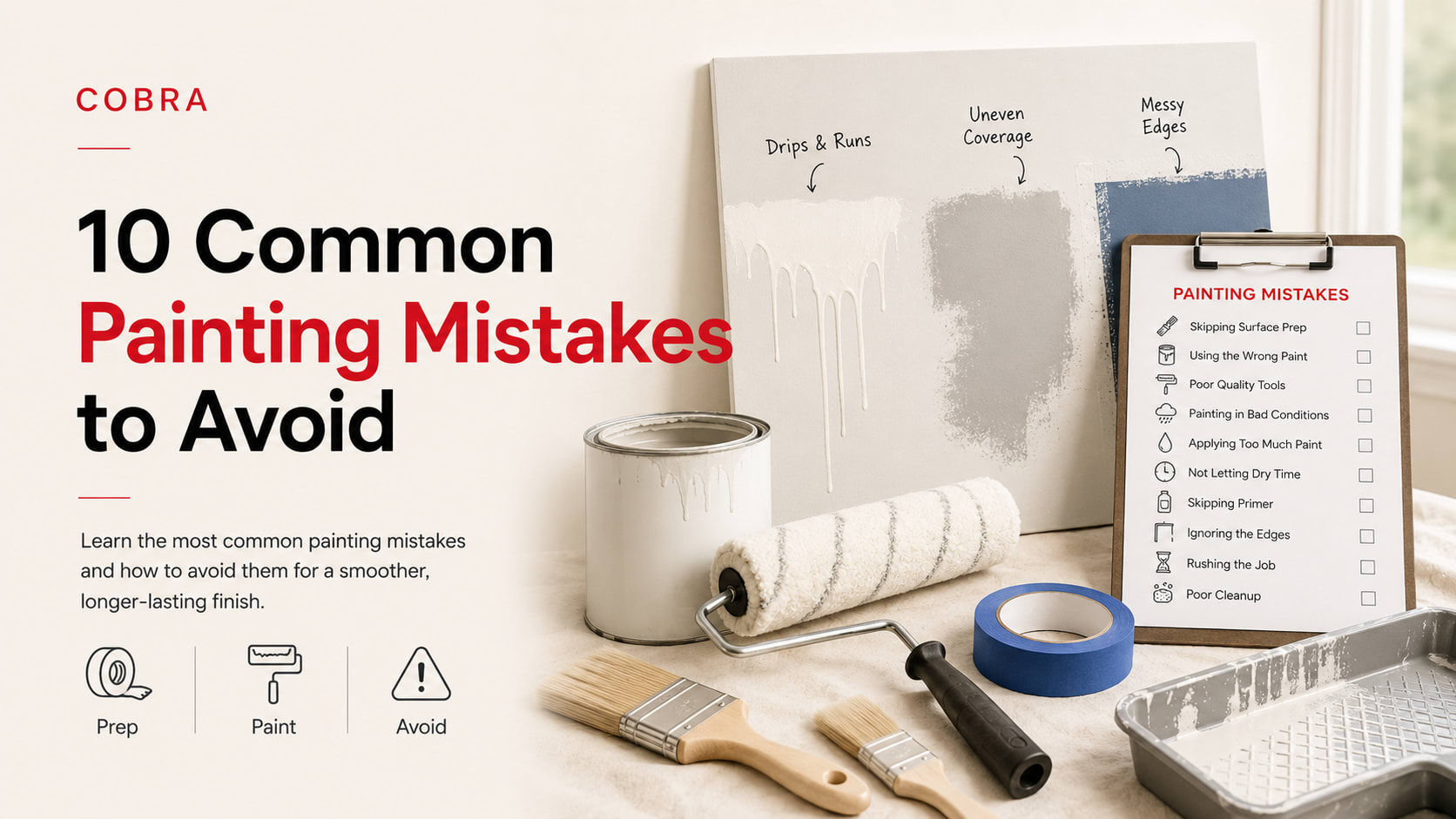
Painting projects seem straightforward, but mistakes here ripple into tenant complaints, budget overruns, and even compliance headaches. Whether you manage an HOA, a school, or a commercial property, you want consistent results, safe processes, and minimal disruption. Here are the 10 most common painting mistakes — and how to avoid them on your next project.
1. Skipping Proper Surface Prep
Paint adheres only as well as the surface below. Failing to clean, sand, or repair surfaces leads to peeling, bubbling, and wasted labor. Always:
Inspect for mold, mildew, and moisture damage.
Patch holes and sand rough spots.
Prime patched or bare areas — don’t just spot prime.
For multi-unit or high-traffic areas, consider professional property maintenance services to ensure prep is thorough and compliant.
2. Using the Wrong Paint Type
Exterior, interior, high-traffic, and specialty surfaces all require different products. Using interior paint outside, or low-grade paint in hallways, leads to premature failure. Always verify:
Paint is rated for the intended surface and exposure.
Gloss level matches cleaning needs (e.g., eggshell for walls, semi-gloss for trim).
Ask for product data sheets and warranties from your vendor.
3. Ignoring Weather and Environmental Conditions
Painting in the wrong conditions (too cold, too humid, direct sun) causes poor adhesion and uneven drying. For exteriors, check forecasts and manufacturer specs. For interiors, control HVAC and humidity. Schedule projects around school calendars or HOA quiet hours to minimize disruption and complaints.
4. Inadequate Protection of Floors, Fixtures, and Landscaping
Paint splatter on floors, hardware, or landscaping creates unnecessary cleanup and liability. Use drop cloths, plastic sheeting, and painter’s tape — not just newspaper or cardboard. For shared spaces, communicate access control measures in advance. For more on managing secure access during projects, see Access Control Basics.
5. Poor Vendor Vetting and Oversight
Unreliable or unlicensed painters are a top source of delays, callbacks, and compliance issues. Always:
Request proof of license and insurance.
Check references for similar property types.
Use a single accountable provider where possible to avoid finger-pointing.
With Cobra Prime, you get licensed, insured, and background-checked teams — one point of contact for the whole process.
6. Underestimating Prep and Drying Time
Rushing between coats or reopening spaces too soon leads to smudges, tacky surfaces, and rework. Build in buffer time for:
Surface prep and patching
Primer and paint curing
Ventilation (especially in schools and healthcare settings)
Use a project schedule with clear milestones, and communicate expectations to tenants and staff.
7. Overlooking Compliance and Safety Requirements
Lead paint, fire codes, and ADA requirements can all impact what, where, and how you paint. Always:
Test for lead in pre-1978 buildings.
Use fire-rated coatings where required (e.g., stairwells, egress routes).
Ensure color contrast and signage meet accessibility standards.
If your project overlaps with fire safety upgrades, review Fire Watch Security to understand your responsibilities.
8. Neglecting Preventive Maintenance Planning
Painting is often reactive — covering stains or damage after the fact. Instead, integrate painting into your preventive maintenance plan:
Schedule regular inspections for wear, peeling, or water intrusion.
Budget for cyclical repainting (every 5-7 years for exteriors, as needed for interiors).
Track warranty and touch-up schedules.
For help building a maintenance calendar, see handyman services in Nj.
9. Failing to Communicate with Occupants and Stakeholders
Unannounced painting disrupts residents, staff, and operations. Always:
Post schedules and detour routes in advance.
Coordinate with security for after-hours access or restricted zones. For tips, read Construction Site Security Tips.
Inform cleaning teams about fresh paint and restricted areas.
10. Incomplete Inspection and Punch List at Closeout
Skipping a final walkthrough leads to missed drips, uneven color, or incomplete coverage. Use a punch list to verify:
All surfaces are fully covered and edges are crisp.
No hardware or fixtures are painted shut.
Cleanup is complete and all waste is disposed of properly.
For large projects or public spaces, consider a third-party inspection or a post-project event — see Event Security Planning for tips on safe access and reopening.
Quick Comparison: DIY vs. Professional Painting for Properties
CriteriaDIY/Multiple VendorsAll-in-One Provider (Cobra) AccountabilitySplit among several vendorsSingle point of contact ComplianceMust verify each contractorLicensed, insured, compliance managed SchedulingJuggle multiple calendarsIntegrated project timeline Quality ControlVariableStandardized process Cost ControlHidden extras, change ordersScope and budget managed up front
Painting Project Checklist for Decision-Makers
Define scope, surfaces, and performance requirements.
Vet vendors for license, insurance, and references.
Schedule around occupancy, weather, and other projects.
Communicate access, safety, and work hours to all stakeholders.
Verify prep, product selection, and compliance steps are complete.
Inspect work before sign-off and hold back final payment until punch list is complete.
For guidance on selecting the right shade before you start, see our How to Choose Paint Colors guide.
Frequently Asked Questions
How often should community properties be repainted?
Exteriors typically require repainting every 5-7 years, depending on climate, exposure, and paint quality. High-traffic interiors may need touch-ups annually and full repaints every 3-5 years. Preventive maintenance inspections help catch issues before major deterioration.
What’s the risk of using unlicensed painters?
Unlicensed vendors can void warranties, fail inspections, and expose your property to liability for injuries or code violations. Always verify licensing and insurance before work begins.
Can painting projects be scheduled after hours or during school breaks?
Yes, professional providers can work evenings, weekends, or school breaks to minimize disruption. Coordinate access and security in advance, especially for sensitive or high-traffic areas.
How do I ensure paint work meets fire and safety codes?
Use fire-rated coatings where required, maintain egress visibility, and follow local codes. Work with providers experienced in compliance for your property type.
What’s the benefit of using one provider for painting and maintenance?
One provider manages the whole process — from prep and compliance to execution and monitoring — reducing delays, miscommunication, and cost overruns.
With Cobra Solutions, you get a licensed, insured partner who manages your painting projects from assessment to punch list, integrating with your preventive maintenance and compliance needs. To protect your property and budget from common painting mistakes, request a property maintenance assessment or schedule a consultation today.