
Choose Flooring That Works—Not Just Looks Good
Flooring is one of the highest-impact choices you’ll make for any property. Get it wrong, and you face cost overruns, safety risks, and years of complaints. Get it right, and you control long-term costs, reduce liability, and keep residents or tenants happy. Here’s a practical, operations-focused guide to choosing the right flooring for your home or managed property—no fluff, just the steps and criteria that work across hundreds of projects.
Start With the End in Mind: What Does This Floor Need to Do?
Traffic Level: Is this a high-traffic entryway, a quiet bedroom, or a busy kitchen?
Moisture Exposure: Will the floor see spills, humidity, or standing water?
Maintenance Requirements: Who’s responsible for cleaning and upkeep—residents, staff, or a cleaning contractor?
Safety & Compliance: Are there slip-resistance, fire, or accessibility codes to meet?
Budget & Lifecycle: What’s the real cost over 5–10 years, including repairs and replacement?
For example, a luxury vinyl plank might be perfect for a rental unit’s kitchen (water-resistant, durable, cost-effective), but a school hallway might require commercial-grade tile or polished concrete for safety and longevity. Always match material to use-case, not just aesthetics.
Common Flooring Types: Pros, Cons, and Best Uses
TypeBest ForProsConsHardwoodLiving rooms, bedroomsClassic look, long lifespanHigh cost, scratches, not for wet areasLaminateBedrooms, officesAffordable, easy installSusceptible to water damageLuxury VinylKitchens, bathrooms, rentalsWaterproof, durable, low maintenanceFeels less premiumTileBathrooms, kitchens, entrywaysWaterproof, easy to cleanCold, slippery, grout maintenanceCarpetBedrooms, officesComfort, noise reductionStains, allergens, frequent cleaningPolished ConcreteBasements, schools, commercialDurable, low maintenanceHard, can crack, cold
Decision Checklist: How to Vet Flooring Options
Assess Traffic and Usage: List out which rooms see the most foot traffic and what kind of wear they’ll get.
Evaluate Moisture Risks: Note areas exposed to water (kitchens, bathrooms, basements). Choose waterproof or water-resistant options here.
Set Maintenance Expectations: Decide who will clean and maintain the floors. For areas with frequent spills or dirt, prioritize easy-clean surfaces.
For deeper cleaning needs, compare Deep Cleaning vs Regular Cleaning to understand what your property will require.
Check Safety and Code Compliance: Review local building codes for slip resistance, fire ratings, and ADA compliance. If you manage a school, see how flooring fits into school facility services and maintenance requirements.
Calculate Lifecycle Costs: Don’t just look at install price—factor in repairs, cleaning, and replacement cycles. For budgeting, review this How to Budget for a Renovation Project guide.
Plan for Installation: Will you need to vacate the space? How long will the install take? Avoid surprises by getting a clear timeline from your provider.
Vet Your Contractor: Only work with licensed, insured professionals experienced in multi-property operations. One accountable provider reduces risk of no-shows, delays, or warranty gaps.
See how Cobra Prime handles projects with a clear Assess → Plan → Execute → Monitor process and full accountability.
Real Risks: What Can Go Wrong?
Wrong Material in Wet Areas: Hardwood or laminate in bathrooms leads to swelling and early replacement. For more, see Bathroom Renovation Mistakes.
Improper Installation: Poor subfloor prep or rushed work causes buckling, gaps, or trip hazards—especially risky in schools or common areas.
Deferred Maintenance: Skipping regular cleaning or repair shortens floor life and increases liability.
Non-Compliance: Failing to meet code can trigger fines or lawsuits after an accident. If you’re managing a facility with access control or security needs, coordinate upgrades with your security company in NJ for seamless compliance.
Special Considerations for Renovations
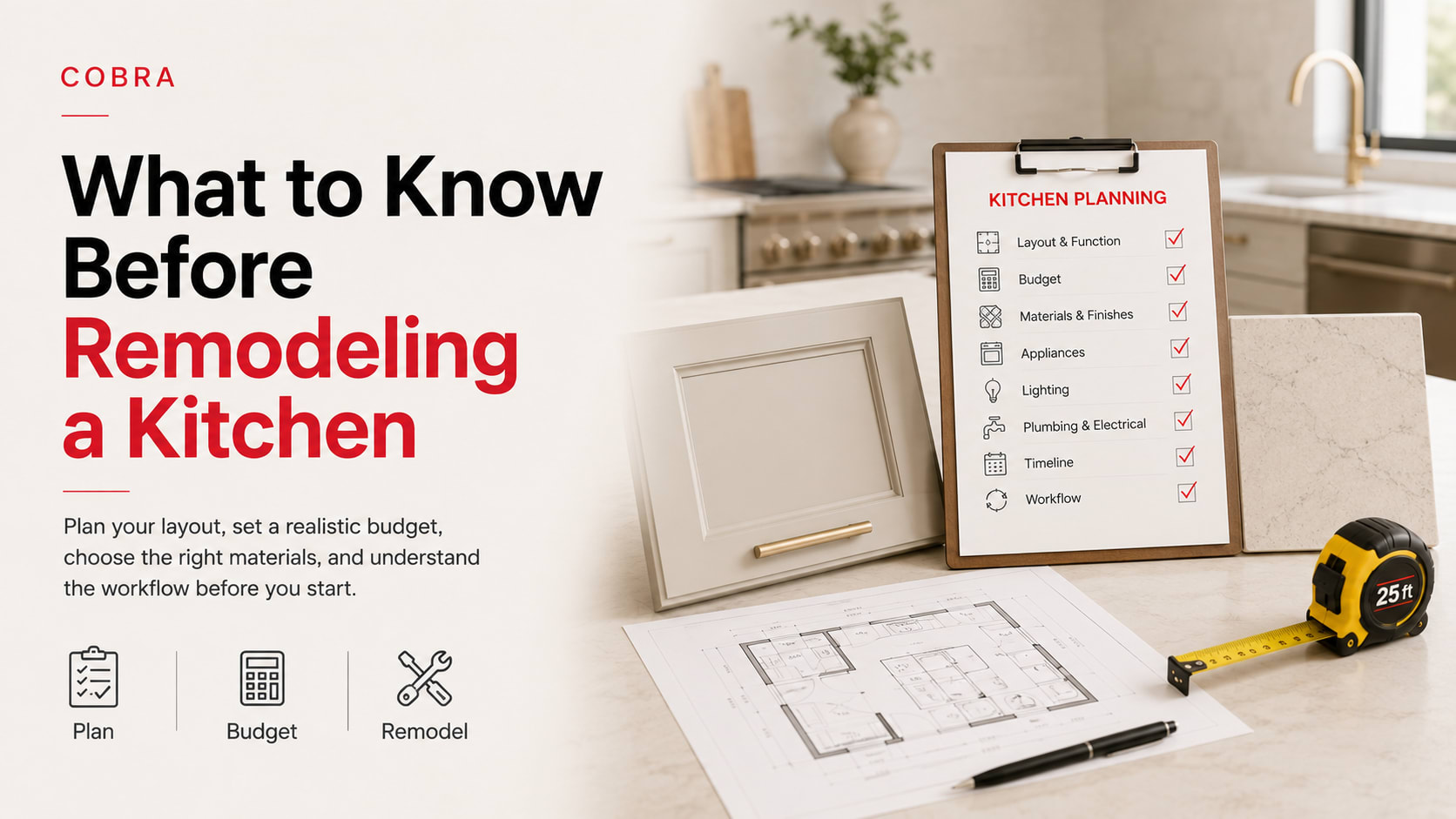
Flooring is often the linchpin in larger renovation projects. If you’re updating kitchens, bathrooms, or common areas, align flooring choices with the full project scope. Use this Kitchen Renovation Checklist to ensure nothing is missed, and coordinate schedules to avoid rework or delays.
How Cobra Solutions Simplifies Flooring Decisions
Managing multiple vendors is a headache—missed deadlines, finger-pointing, and compliance gaps are common. Cobra Solutions delivers a single point of accountability: one licensed and insured provider overseeing your flooring project from assessment through monitoring. Our process scales for single homes, multi-unit properties, HOAs, schools, and commercial spaces. We scope each project to your property’s actual needs—no one-size-fits-all solutions.
Frequently Asked Questions
What’s the best flooring for high-traffic areas?
For high-traffic areas like entryways or hallways, choose durable surfaces such as tile, commercial-grade vinyl, or polished concrete. These materials handle wear, are easy to clean, and meet most safety codes.
How do I estimate the total cost of new flooring?
Factor in material, installation, prep work, potential subfloor repairs, and long-term maintenance. For a step-by-step approach, use the How to Budget for a Renovation Project guide and request a site-specific quote.
How often should flooring be replaced?
It depends on material and usage. Carpet may need replacement every 5–8 years; hardwood and tile can last decades with proper care. Monitor for trip hazards, stains, or moisture damage as triggers for replacement.
Can I install new flooring over old flooring?
In some cases, yes—such as floating vinyl over existing tile. However, subfloor condition is critical. An expert assessment is required to avoid future issues.
Who is responsible for flooring maintenance in rental or HOA properties?
Typically, property managers or boards handle common areas, while residents are responsible for interiors. Define responsibilities clearly in your maintenance plan and HOA rules.
Ready to Make the Right Flooring Decision?
Don’t risk costly mistakes or compliance gaps. Request a flooring assessment or schedule a consultation with Cobra Solutions to get a tailored plan for your property—delivered by one accountable, licensed provider. Contact Cobra Prime today to get started.