Decide with Confidence: What Your NJ Property Maintenance Contract Must Cover
If you’re responsible for a property or community in New Jersey, your maintenance contract is the backbone of safe, reliable, and cost-controlled operations. The right contract prevents deferred maintenance, reduces liability, and keeps you out of vendor limbo. Here’s a checklist-driven guide to what should be included, how to vet providers, and how to avoid common pitfalls—whether you manage a single building, an HOA, a school, or a portfolio.
Checklist: Core Elements of a Strong Maintenance Contract
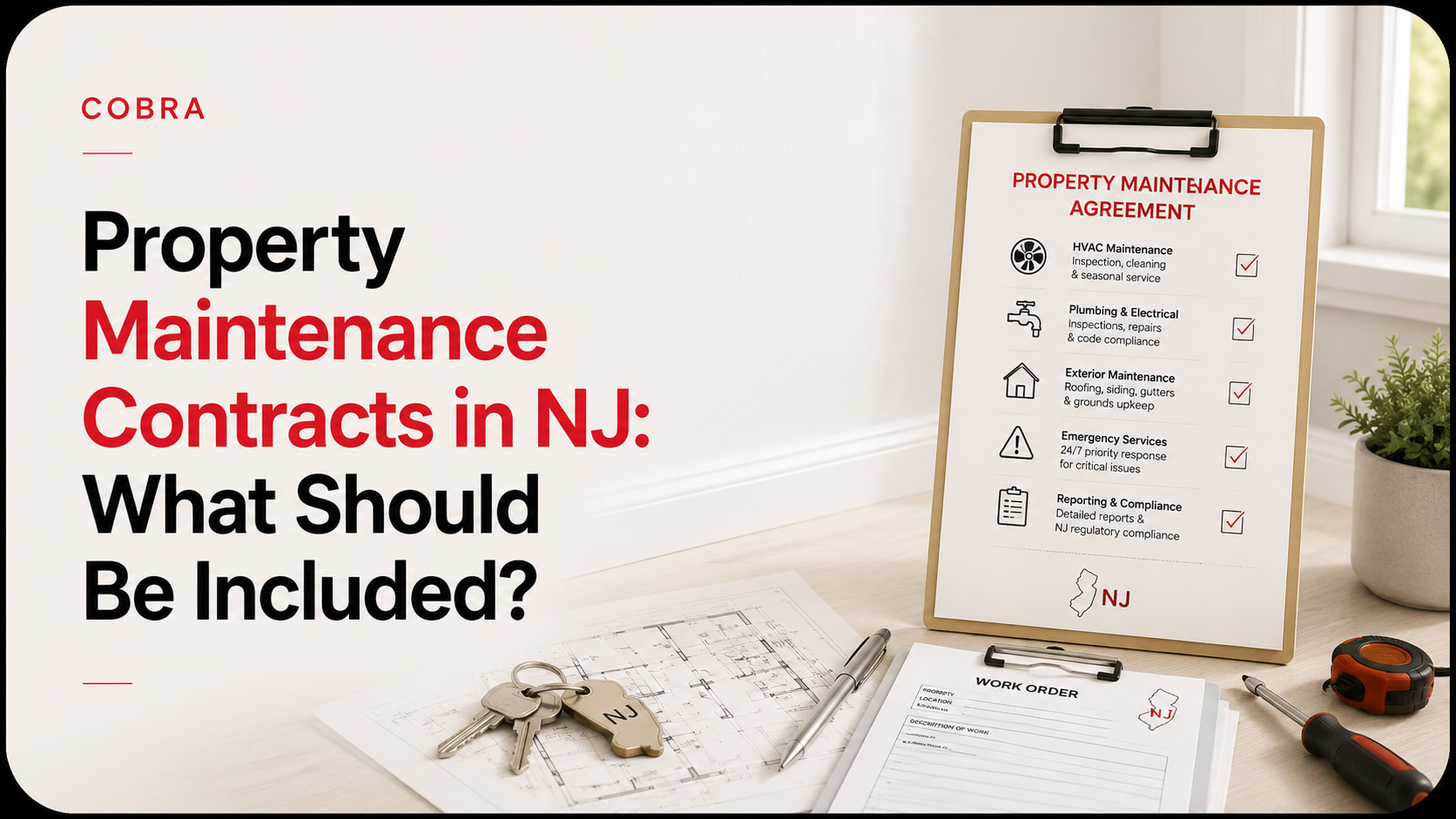
Scope of Services: Spell out exactly what’s included (e.g., HVAC, plumbing, electrical, janitorial, landscaping, security, handyman work). Avoid catch-alls—be specific.
Preventive vs. Reactive Maintenance: Require a preventive maintenance schedule (with inspection frequencies and checklists) and clear response protocols for urgent repairs.
Response Times & Communication: Define how quickly issues must be acknowledged and resolved. Specify points of contact and escalation procedures.
Licensing & Insurance: Contract only with licensed and insured providers. Ask for documentation annually or on renewal.
Compliance: Reference relevant codes and regulations (fire, safety, ADA, local ordinances). Make compliance the vendor’s responsibility.
Staffing & Access Control: List who will be on site, background check requirements, and how keys or access credentials are managed.
Reporting & Monitoring: Require regular reporting (monthly, quarterly) on completed work, open issues, and recommendations.
Budget & Invoicing: Clarify billing structure (flat fee, time and materials, not-to-exceed), covered vs. excluded items, and process for change orders.
Termination & Exit: Define notice periods, transition support, and what happens to maintenance records at contract end.
Comparing Preventive vs. Reactive Maintenance in Contracts
Aspect Preventive Maintenance Reactive Maintenance Approach Scheduled inspections, servicing, and replacements Fixes only when something breaks or fails Risk Reduces risk of major failures and liability Higher risk of costly emergencies and downtime Budgeting Predictable costs, easier to plan Unpredictable, can spike unexpectedly Contract Language Requires detailed schedules and checklists Needs clear emergency response terms
Vetting Vendors: What to Ask Before Signing
Are you licensed and insured for all services provided?
Can you provide references from similar properties or associations?
What’s your process for preventive maintenance and reporting?
How do you handle after-hours emergencies?
Who is my single point of contact for issues or escalations?
Working with a single, accountable provider like Cobra Prime means you avoid finger-pointing and gaps between multiple vendors. Cobra’s Assess → Plan → Execute → Monitor process ensures nothing falls through the cracks—especially when you manage multiple properties or communities.
HOA and Community Association Considerations
Common Area Responsibilities: Spell out which areas (lobbies, playgrounds, pools, parking lots) are covered and how often they’re serviced.
Board Approval: Include contract language for board review and approval of major repairs or upgrades.
Liability & Indemnification: Ensure the contract protects the association from vendor negligence or non-compliance.
For associations planning renovations, review Bathroom Renovation Mistakes to Avoid to sidestep costly errors in scope and compliance.
Facility and School-Specific Needs
Security and Access Control: Contracts should address background checks, visitor management, and integration with existing security services in nj.
After-Hours Protocols: Define who responds to alarms, leaks, or urgent repairs outside business hours.
Regulatory Compliance: State and federal regulations (e.g., for schools) may require additional documentation or reporting—make sure your contract reflects this.
Sample Maintenance Contract Clauses
"The contractor will provide monthly preventive maintenance inspections as detailed in Attachment A. All findings and recommendations will be reported to the property manager within 48 hours."
"All personnel assigned to the property must pass a background check and wear visible identification badges at all times."
"The contractor is responsible for maintaining compliance with all applicable local and state codes, including but not limited to fire safety and ADA accessibility."
Risks of Weak Contracts (and How to Avoid Them)
Deferred Maintenance: Leads to bigger, more expensive failures. Insist on a preventive schedule and documentation.
Liability Exposure: Missing compliance language or unclear responsibility can leave you exposed in the event of injury or code violations.
No-Show or Unresponsive Vendors: Require defined response times and escalation contacts. Consider an all-in-one provider for greater accountability.
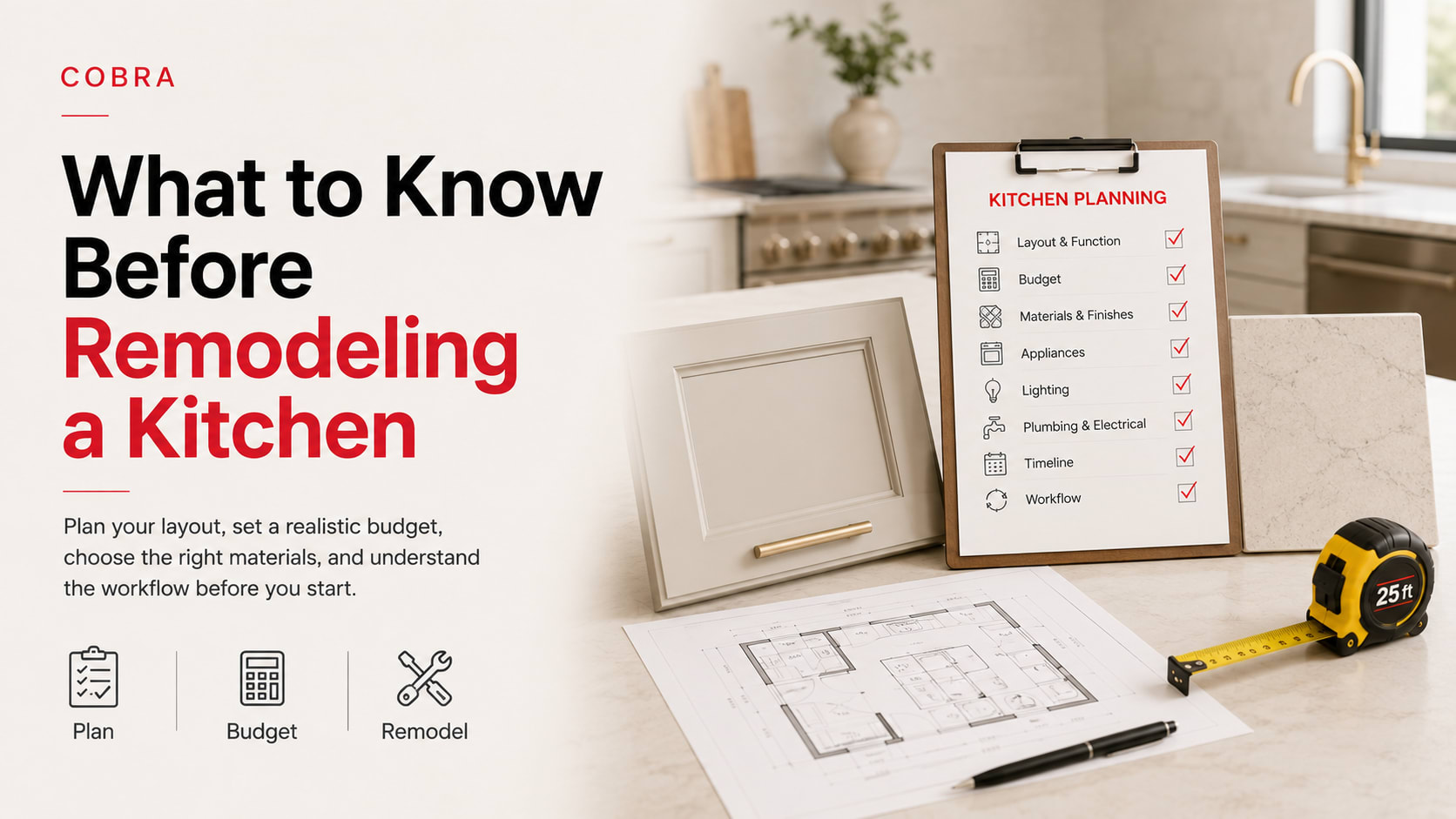
If you’re planning a remodel or upgrade, use the Bathroom Remodeling Checklist to ensure all compliance and maintenance needs are addressed from the start.
Budgeting and Cost Control
Request detailed quotes and clarify what’s included vs. extra. Don’t assume “full service” covers everything.
For high-traffic areas, maintenance contracts should reference durable materials and cleaning standards. See Best Flooring for High-Traffic Areas for practical recommendations.
Include a process for approving and tracking change orders to avoid budget surprises.
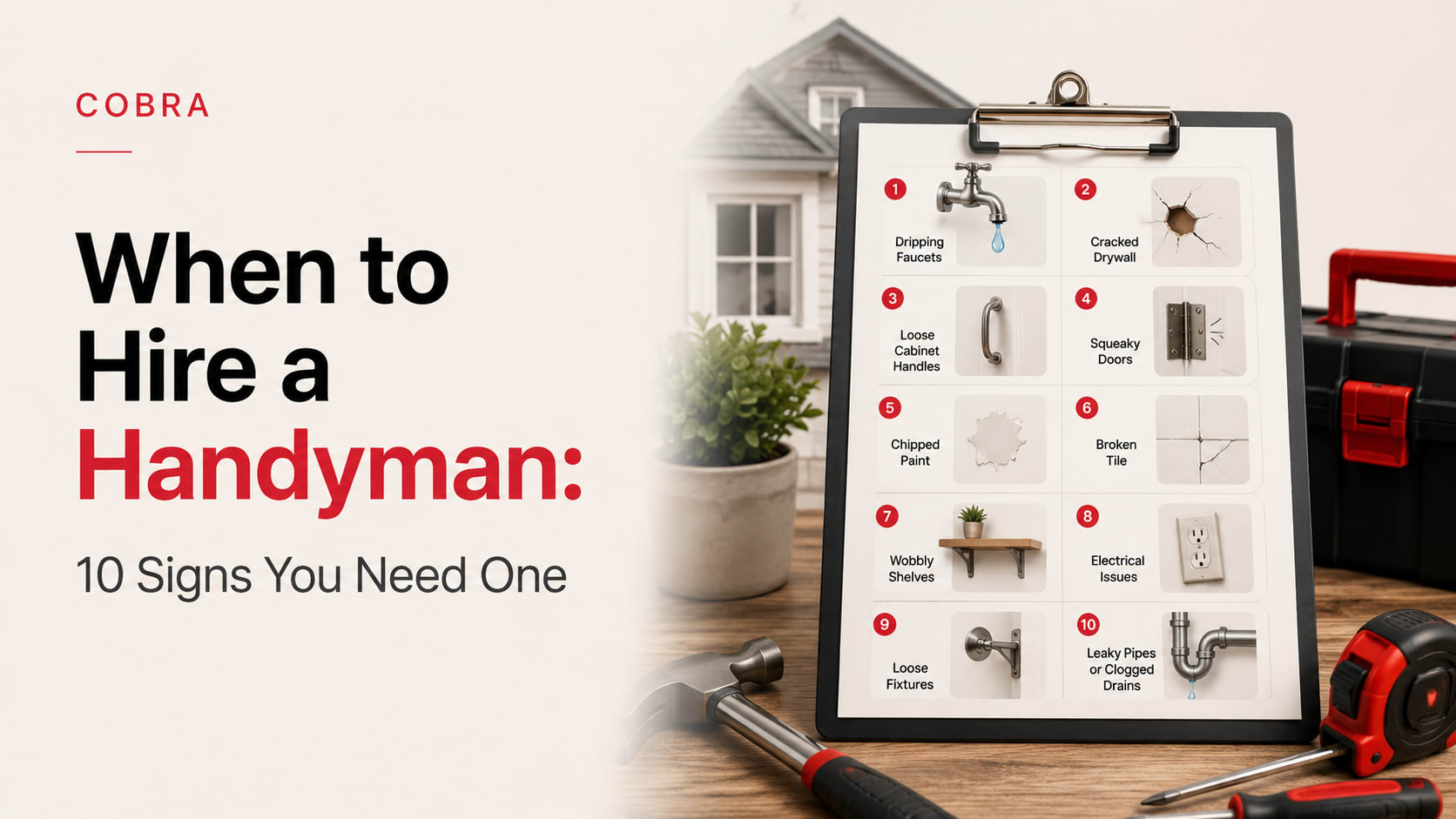
For routine upkeep and repairs, ensure your contract covers or integrates with handyman services in Nj—one call, one accountable provider.
Monitoring and Quality Assurance
Build in regular inspections and performance reviews—monthly or quarterly, not just at renewal.
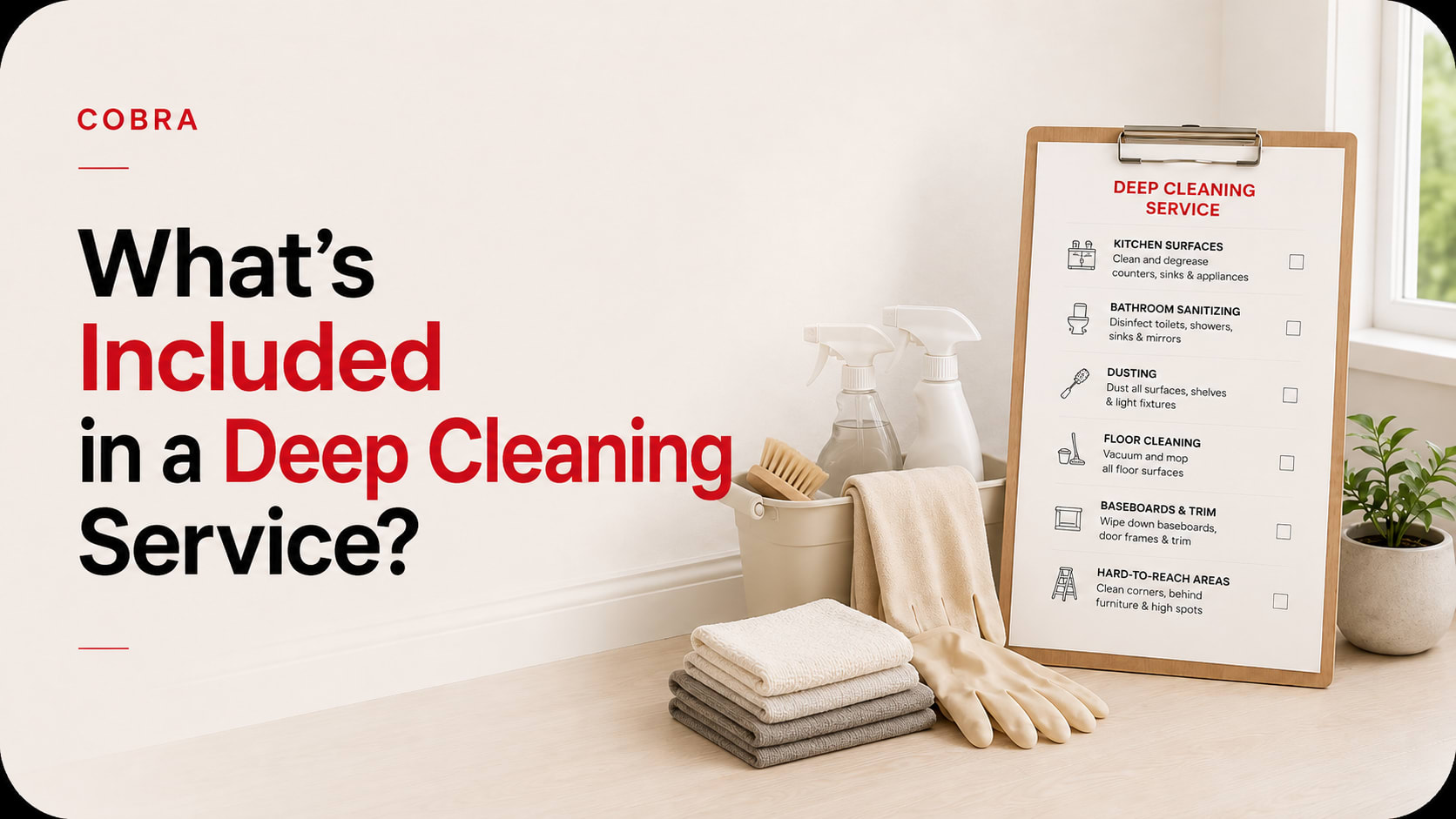
Use checklists for cleaning, safety, and maintenance tasks. Download a sample Deep Cleaning Checklist to benchmark your standards.
Require written reports and digital photo documentation for all completed work.
For a deeper dive, see one vendor vs. multiple vendors for commercial buildings.
Frequently Asked Questions
What’s the difference between preventive and reactive maintenance in a contract?
Preventive maintenance is scheduled, proactive work (like inspections and servicing) designed to catch issues before they become costly. Reactive maintenance only addresses problems after they occur. A strong contract includes both, with a heavier focus on preventive measures for better cost control and safety.
How do I ensure vendor accountability?
Require clear response times, escalation contacts, and regular reporting in your contract. Working with an all-in-one provider like Cobra Solutions further reduces finger-pointing and gaps in service delivery.
What should be included for compliance and liability protection?
Make sure your contract references all relevant codes (fire, safety, ADA) and makes compliance the vendor’s responsibility. Require up-to-date licensing and insurance, and include indemnification clauses to protect your property or association.
How often should maintenance contracts be reviewed or updated?
Review contracts annually, or whenever your property’s needs change (e.g., after renovations or expansions). Update scopes, compliance requirements, and contact lists regularly.
How does Cobra Solutions simplify maintenance contracts?
Cobra Solutions provides a single point of accountability for all property services—covering maintenance, security, cleaning, handyman work, and more—using a standardized Assess → Plan → Execute → Monitor process. This reduces risk, saves time, and ensures compliance across all your properties.
Ready for a Contract That Works?
The right property maintenance contract in NJ protects your investment, your residents, and your reputation. Don’t settle for vague terms or unreliable vendors—work with a licensed, insured provider who takes full accountability. To discuss your needs or request a custom quote, contact Cobra Solutions today.